

WTTC forecasts 91m new travel jobs by 2035, warns of 43m worker shortfall

Dhaka: The global travel and tourism industry is on track to become one of the world’s largest job creators by 2035, with 91 million new positions expected to be generated — accounting for one in every three new jobs worldwide — according to a new report by the World Travel and Tourism Council (WTTC).
However, the report warns of a looming workforce gap, with an estimated shortage of more than 43 million workers if current demographic and structural trends remain unaddressed.
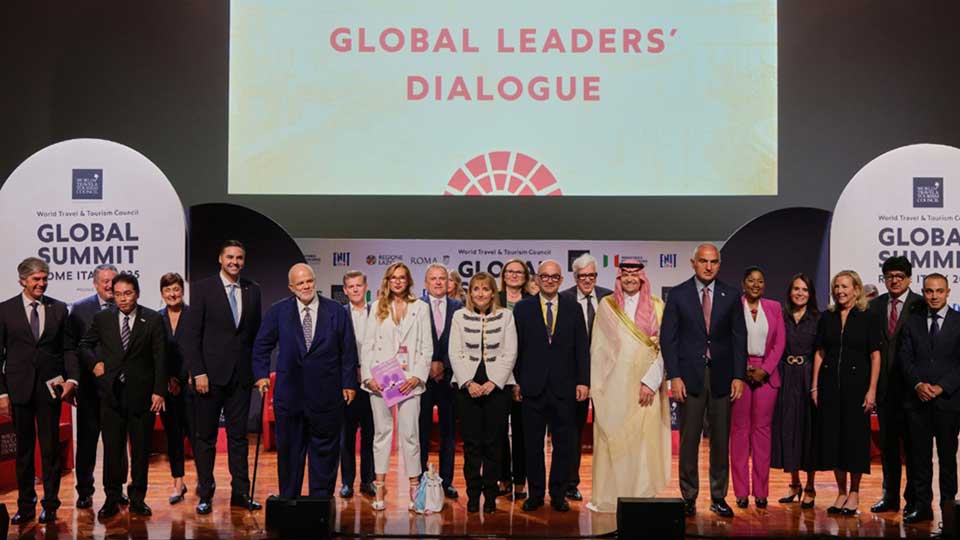
The study, “Future of the Travel and Tourism Workforce,” was unveiled at the WTTC’s 25th Global Summit in Rome. Developed in collaboration with Saudi Arabia’s Ministry of Tourism, Coraggio Group, Miles Partnership, and Hong Kong Polytechnic University, the report draws from extensive global research, surveys of industry leaders, and interviews with WTTC members and experts.
Sector growth outpacing global economy
WTTC data shows the sector supported a record 357 million jobs in 2024, with the number expected to rise to 371 million in 2025. Over the next decade, the industry’s growth is projected to outpace the broader economy, making travel and tourism a leading source of employment worldwide.
However, as populations age and working-age groups shrink, the supply of labor may fail to keep up. By 2035, the global travel and tourism workforce is projected to fall 16 percent short of demand, leaving a gap of more than 43 million workers.
The hospitality industry alone could face a shortfall of 8.6 million employees, or about 18 percent below required staffing levels. The report highlights particularly strong demand for low-skilled, service-oriented roles that rely heavily on human interaction and cannot easily be automated.
Among the 20 major economies analyzed, China (16.9 million), India (11 million), and the European Union (6.4 million) are expected to experience the largest absolute workforce shortages. In relative terms, Japan’s tourism sector faces the steepest deficit, with projected labor supply 29 percent below demand, followed by Greece (27pc) and Germany (26pc).
Industry leaders call for action
Despite these challenges, the WTTC remains optimistic about the sector’s potential.
“Travel and Tourism is set to remain one of the world’s biggest job creators, offering opportunities for millions of people worldwide,” said Gloria Guevara, WTTC Interim CEO. “However, demographic and structural changes are reshaping labor markets everywhere. This report is a call to action — to work with governments and educators to close this gap and build a skilled, resilient workforce.”
 WTTC Interim CEO Gloria Guevara addressing the summit
Saudi Arabia’s Minister of Tourism, Ahmed Al Khateeb, echoed this message, emphasizing the sector’s role in driving national transformation.
“By 2035, one in three new jobs will come from Travel and Tourism – no other sector can claim that,” he said. “Saudi Arabia’s vision and investment show what’s possible, with more than 649,000 training opportunities created and nearly half the workforce now made up of women.”
Sara Meaney, Managing Partner at Coraggio Group, said the report should inspire the industry to “rethink how we attract, grow, and keep talent.”
“It’s not just about filling positions,” she added. “It’s about designing careers that evolve with people’s values and expectations.”
Building future-ready workforce
The WTTC report outlines several strategies to address the anticipated labor gap:
- Inspire young people by promoting diverse, exciting career paths in travel and tourism.
- Strengthen collaboration between industry and educators to ensure training aligns with real-world needs.
- Invest in leadership development, career progression, and inclusive workplace cultures to boost retention.
- Enhance digital literacy and sustainability skills to prepare workers for the future.
- Introduce flexible labor policies and encourage international recruitment where needed.
Collaboration for global impact
The WTTC emphasizes that solving the workforce challenge will require close cooperation between governments, industry stakeholders, and education systems. Proactive planning and investment, it says, will allow travel and tourism to continue driving global prosperity, innovation, and opportunity.
The 25th WTTC Global Summit in Rome was hosted in partnership with the Italian Ministry of Tourism, ENIT (Italian National Tourist Board), the Municipality of Rome, and the Lazio Region. Key partners included Chase Travel, Trip.com Group, MSC Group, and others.
- T