
Top News
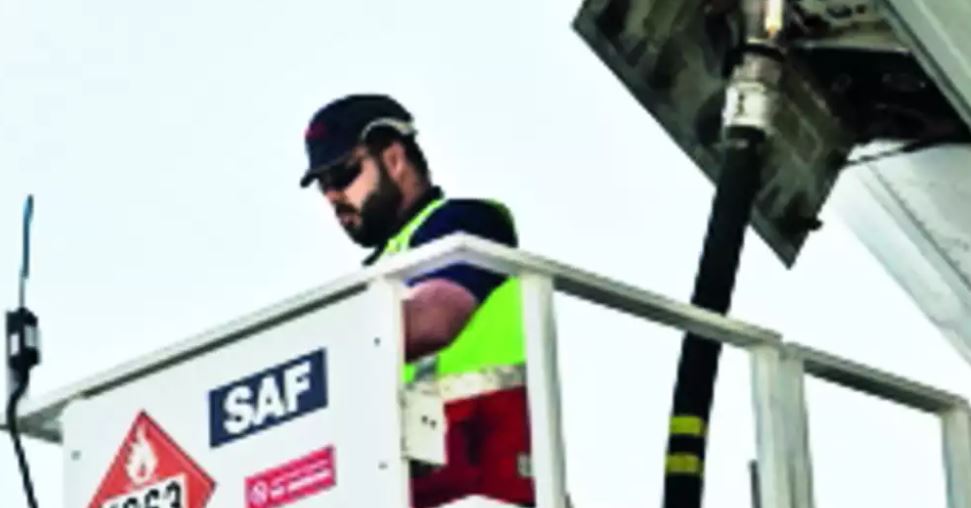
India already has great assets for liquid fuel production and distribution, which combined with significant feedstock potential can accelerate the move to SAF (Sustainable Aviation Fuel), said Julie Kitcher, Airbus EVP, communications and corporate affairs.
SAF is currently the best option for reducing carbon dioxide emissions over the aviation fuel lifecycle with currently available aircraft types, she said.
“There is also the political will to move forward on SAF and visible commitment by many airlines to decarbonise aviation,” said Kitcher, who was in India last week.
“Airbus will work with partners across the aviation value chain in India to stimulate the changes needed to create a SAF marketplace – to drive up the demand for and, in turn, the supply of SAF,” she said adding that the company already promotes research on SAF through strategic partnerships, including one with the French consortium of Axens, Total Energies, Safran and GMR Airports.
“As a technology company, Airbus can and intends to work with partner ecosystems on the design and development of sustainable technologies as well as the testing and certification of Indian SAF,” she said. SAF promises advantages to support a sustainable aviation for future generations and will also bring a high number of employment opportunities with new technologies and production plants that a fast-growing India needs for its young, working population, she added.
-B
Share this post
Also on Bangladesh Monitor