

Top News
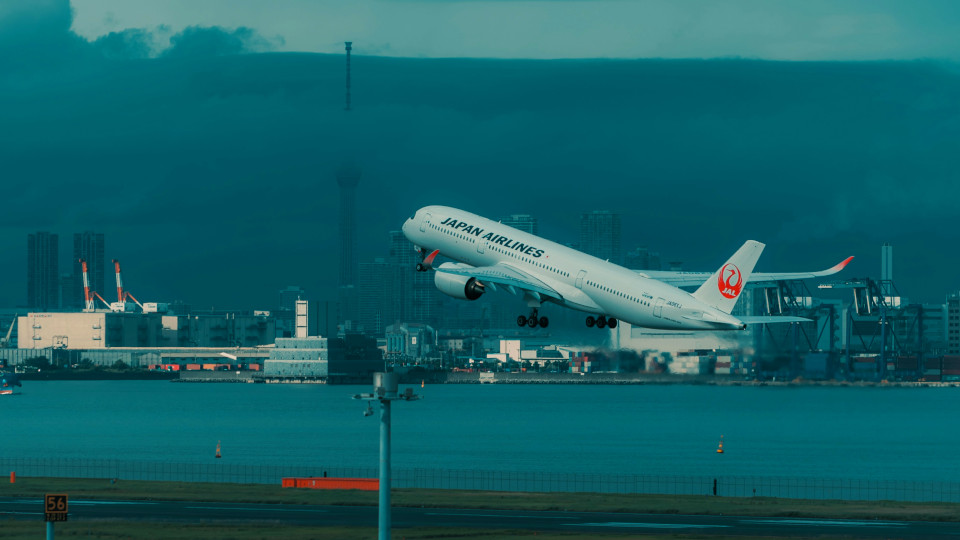
Dhaka: International passenger traffic across Asia Pacific airlines continued to grow in March 2025, according to preliminary data released by the Association of Asia Pacific Airlines (AAPA). The region’s carriers handled 31 million international passengers during the month, representing a 7% year-on-year increase and underscoring the steady recovery in global travel demand.
International traffic, measured in revenue passenger kilometers (RPK), rose by 9% compared to March 2024. However, available seat capacity increased by 11% year-on-year, leading to a slight dip in the average international passenger load factor, which declined by 0.4 percentage points to 80.8%.
For the first quarter of 2025, AAPA reported that Asia Pacific airlines transported a total of 95.6 million international passengers, reflecting a strong 13% year-on-year increase. This follows a robust 29% growth in 2024, driven by international route expansion, easing of visa requirements, and stable regional economic activity.
Despite the continued upward trend, the industry faces headwinds. Persistent supply chain disruptions, particularly aircraft delivery delays, are limiting the pace of capacity expansion. At the same time, carriers are contending with elevated operational costs, including higher maintenance, leasing, and staffing expenses.
In response, Asia Pacific airlines are prioritizing operational efficiency while continuing to invest in expanding their route networks and enhancing customer service. AAPA noted that while growth prospects remain positive, external risks such as shifting trade policies and macroeconomic uncertainties warrant close monitoring.
- V
Share this post
Also on Bangladesh Monitor