

Top News
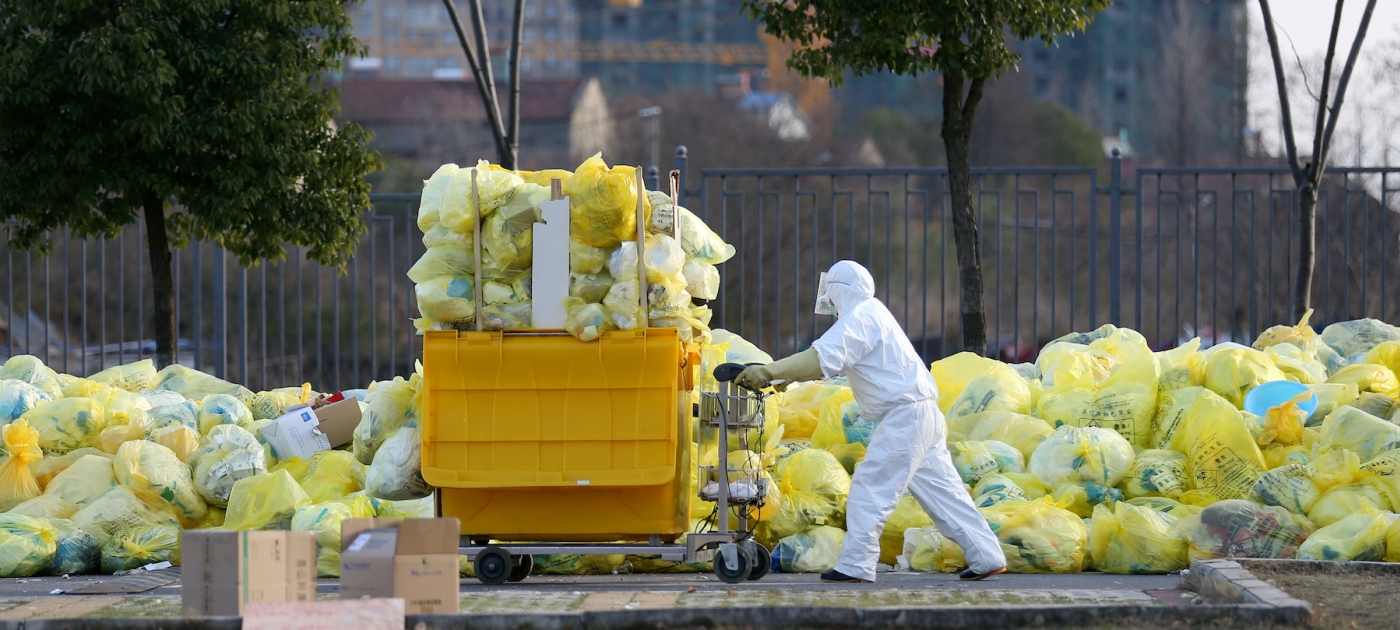
The highly transmissible Omicron variant has led to renewed interest in home testing kits.
The UK is getting through millions of these tests each week, while US president Joe Biden has just ordered 500 million kits to send to Americans.
Along with vaccinations and better medication, the availability of rapid testing has meant that many countries are in a much better place to combat the pandemic than they were a year ago.
As with everything, though, testing has an environmental impact that warrants some investigation. So should we be worried about millions – or billions – of plastic test tubes and swabs?
This analysis is based on the lateral flow test known as the “Orient Gene Rapid Covid-19 (Antigen) Self-Test”. It’s a typical home testing kit in the UK, where I live, and is available through the NHS either online or in pharmacies.
I weighed each item in the lateral flow test kit (also known as lateral flow devices, or LFD) and found it overall contains 10 grams of non-recyclable plastics. The test kit itself – the bit with two lines indicating a positive result – weighs 4 grams.
The rest of the weight is made up from the extraction tubes, caps, swabs and zip-lock bags to be used for disposal.
Share this post
Also on Bangladesh Monitor