

Singapore’s tourism to get boost as F1 returns

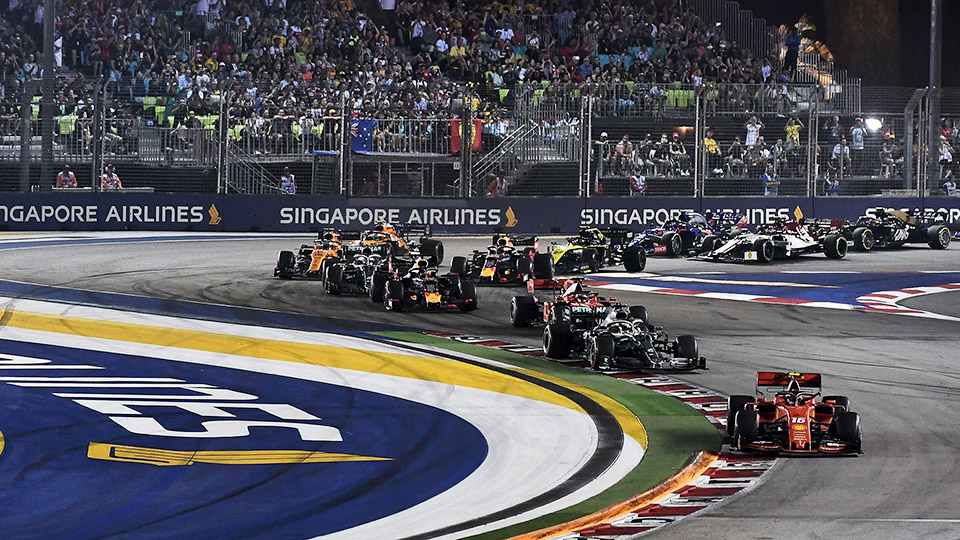
Dhaka: The renewed contract for Singapore to host the Formula 1 Grand Prix for another seven years will be key to major changes, like boosting tourism and creating jobs, in the post-pandemic situation of the country.
The night race will return to the streets of Marina Bay in September 2022 following a hiatus of two years due to the Covid-19 pandemic, the Singapore Tourism Board announced on January 27.
The Singapore Grand Prix was suspended in 2020 and 2021 after it was scheduled as part of the F1 race calendar.
The event is "catalytic" as attention from the rest of the world will directly benefit the whole tourism industry, said Dr Kevin Cheong, chairman of the Association of Singapore Attractions (ASA).
"(With) the number of eyeballs globally glued to the F1 race, Singapore's seven-year contract locks both Singapore and the Grand Prix as the premier must-see, must-experience and must-visit race in Southeast Asia."
Dr Cheong added that the timing of the F1 race in September is "very strategic".
"F1 will kickstart the year-end holiday season, with the Indian travel season in October/November, then winter holidays in December, and finally the Lunar New Year holidays in January/February," he said.
With the F1 Grand Prix targeting the "high-yield, luxury traveller" and the corporate entertainment customer, the renewed contract puts Singapore's destination positioning at the "highest possible target market", added Dr Cheong.
"Indirectly, the corporate entertainment visitors are important F1 visitors. They are likely to be high net-worth individuals and corporate head honchos from the region. They are a very important market for Singapore – as visitors, investors and business stakeholders."
As a result, Dr Cheong said that sectors outside the tourism ecosystem, such as the high-end luxury retail and food and beverage sectors, would also be positively impacted.
To capture the crowd, attractions can start to plan "exclusive experiences for the F1 visitor" during pre- and post-race periods, as well as make plans to be a venue for F1 parties, he suggested.
"(The ASA) is exploring how F1 parties and entertainment can be more nature-based and outside the city. These activities will add value, richness and depth to visitors' experience in Singapore."
With the renewed contract keeping Singapore in the F1 Grand Prix calendar until 2028, the event will create "vibrancy" in a tourism sector that has been badly hit by the pandemic, said Dr Michael Chiam, tourism analyst and deputy director at Ngee Ann Polytechnic's School of Business and Accountancy.
While these financial benefits that will accrue to Singapore's economy and hospitality industry will be "initially small", the "fundamental positive impacts" will remain, added Ben Cassim, Manager for Temasek Polytechnic's Diploma in Hospitality and Tourism Management.
These benefits include an inflow of tourist receipts and demand for hotel rooms during the race period, particularly for hotels within the vicinity of the race circuit, he said.
- T