
Top News
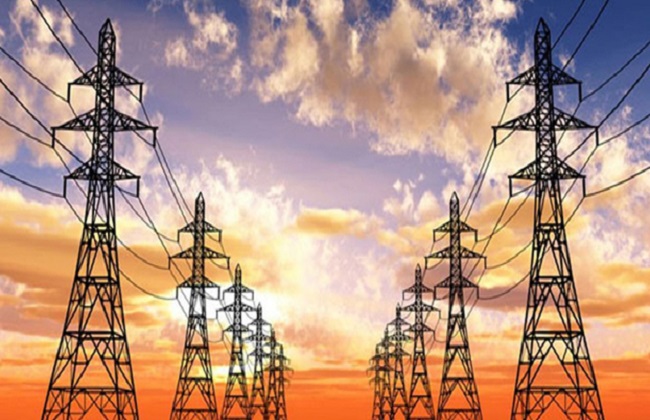
The World Bank (WB) Wednesday approved $500 million to help Bangladesh expand and modernize the electricity distribution system and support the sustainable transformation of its electricity system.
The Electricity Distribution Modernization Programme will deliver improved electricity services to about 40 million people in Dhaka and Mymensingh Division.
It will upgrade and construct more than 31,000 km of distribution lines, 157 distribution substations, and related infrastructure, and incorporate measures to increase climate resilience of network infrastructure in 25 rural electric cooperatives (Palli Bidyut Samities) in the Bangladesh Rural Electrification Board.
Network investment will be paired with new and advanced technologies to help modernizing and transforming the electricity system, according mto a .
"In the last decade, Bangladesh achieved a more than fourfold increase in electricity generation capacity and delivered electricity connections to more than 99 percent of its population. But the electricity distribution network could not keep pace with the remarkable increase in electricity generation," the press release quoted WB Bangladesh Acting Country Director Dandan Chen as saying.
"This program will help modernize and ensure climate resilience of the distribution network, which is the backbone of a secure and reliable power system."
The scheme will introduce a modern grid system that can support the two-way flow of electricity and information, minimizing and recovering quickly from climate and cyber risks, including natural disasters and extreme weather events. It will introduce state-of-art technologies such as Supervisory Control and Data Acquisition System and install Advanced Metering Infrastructure.
It will support the decarbonization of the power sector by facilitating the integration of renewable energy and Battery Energy Storage Systems in the electricity distribution network. All these will lead to a sustainable transformation of the electricity system.
'Since 2009, Bangladesh Rural Electrification Board (BREB) has implemented one of the largest rural electrification programs in the World, delivering access to more than 90 million people," said Bipul Singh, World Bank Senior Energy Specialist and Task Team Leader of the program. "With the access agenda nearing completion, this program will strengthen BREB's ability to deliver reliable electricity supply and support the energy transition in Bangladesh."
The credit is from the World Bank's International Development Association (IDA), which provides concessional financing, has a 30-year term, including a five-year grace period. In addition, the program also includes a $15 million grant from the Clean Technology Fund (CTF).
Including this program, the World Bank has over $1.8 billion ongoing support in Bangladesh's energy sector, covering generation, transmission, and distribution of power, including from renewable energy sources. Since 1981, the World Bank has partnered with BREB to support the government's electrification and access programs.
Bangladesh currently has the largest ongoing IDA program totaling over $14 billion in support. The World Bank was among the first development partners to support Bangladesh and has committed more than $35 billion in grants, interest-free and concessional credits to the country since its Independence.
Share this post
Also on Bangladesh Monitor