
Top News

Dhaka : Bangkok, Kuala Lumpur, Beijing, Seoul, Taipei, Singapore - the ritual is almost always the same. You clear immigration, collect your luggage, step out into unfamiliar heat or neon-lit order, and before you even find your hotel, you walk into a convenience store.
For today's Asian travelers, the convenience store is no longer just a place to grab water or withdraw cash. It has become an introduction to local life - a low-cost, low-pressure way to understand how a city eats, drinks, and functions.
Across Asia and Southeast Asia, chains like 7-Eleven, CU, GS25, Circle K, Lawson, and regional independents are quietly becoming part of the travel experience itself.
Familiar door in unfamiliar city
According to global travel data, a significant number of travelers visit grocery stores and supermarkets while on vacation, often seeking local items they cannot find back home. In Asia, that impulse frequently leads not to large supermarkets, but to convenience stores - compact, curated, and open at almost any hour.
For travelers from Bangladesh, this familiarity can be grounding. We may not have 7-Elevens at home, but once you have traveled through Bangkok, Kuala Lumpur, or Tokyo, the sight of the green-orange-red logo feels reassuring. Inside, the experience becomes a crash course in local habits: what people eat for breakfast, how much they pay for coffee, what snacks dominate office lunch breaks.
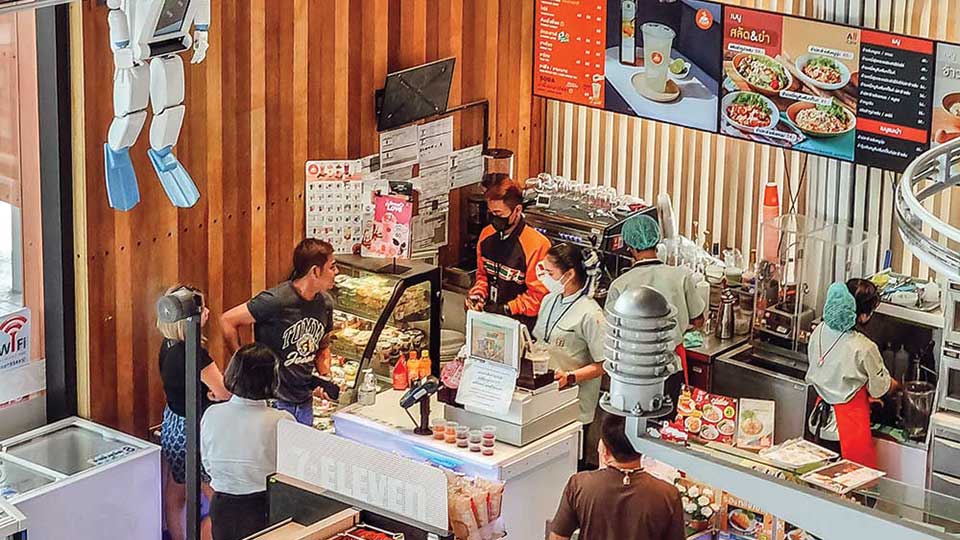
In Thailand, it's toasted sandwiches and iced drinks. In South Korea, instant ramen cooked on the spot. In Taiwan, tea eggs simmering by the counter. In Singapore, bottled kopi and neatly packed rice meals. Each store tells a quiet story about daily life.
When convenience becomes culture
What has changed in recent years is intent. Travelers are no longer stumbling into convenience stores by necessity - they are seeking them out.
Social media has played a role. Short videos reviewing "must-try" snacks, frozen desserts, or limited-edition drinks rack up millions of views. A USD 2 item, eaten standing by a counter, becomes part of a travel narrative.
In Japan, convenience stores have even inspired guided tours. Elsewhere in Asia, the phenomenon is less formal but no less real. Travelers swap recommendations the same way they once traded restaurant tips.
"Go to 7-Eleven first," is now common advice - not last.
7-Eleven effect
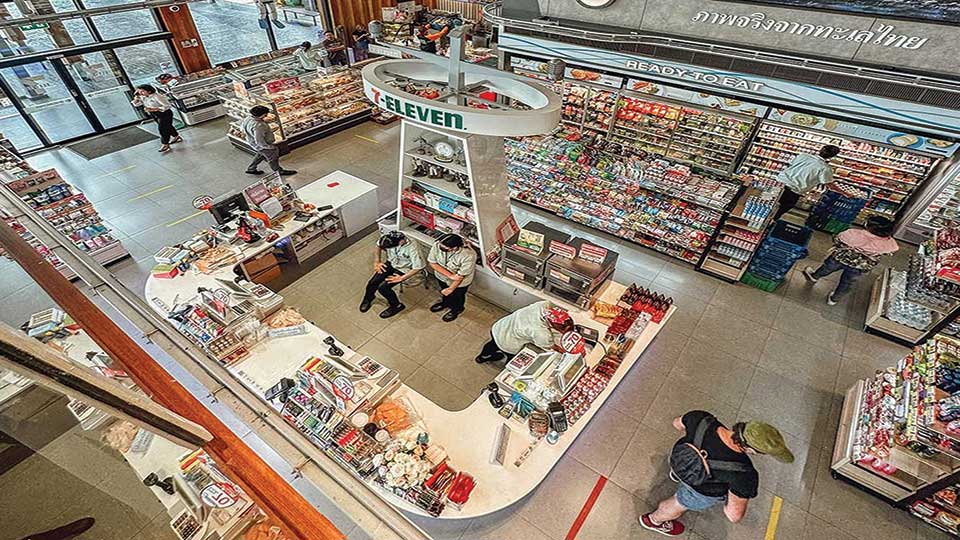
Among all chains, 7-Eleven dominates Asia by footprint, with tens of thousands of outlets across Thailand, Taiwan, South Korea, the Philippines, and beyond. In some cities, you will find multiple stores on the same block.
This saturation turns convenience stores into unofficial public spaces - places to cool down, eat cheaply, charge phones, and observe local rhythms.
For budget-conscious travelers from South Asia, this accessibility matters. A convenience store meal can cost less than a café visit, yet still feel distinctly local. It is also one of the few places where tourists and locals stand side by side, choosing from the same shelves.
Souvenirs you can eat
Interestingly, convenience stores are also becoming souvenir stops.
Near major tourist hubs, stores stock locally themed snacks, regional flavors, or limited-edition packaging. Travelers carry home instant noodles, packaged desserts, bottled drinks - edible memories that are easier to pack than ceramics or textiles.
There is something intimate about gifting a snack that locals eat every day. It feels less staged, more honest.
Window into everyday Asia
What makes convenience stores compelling as travel attractions is not novelty alone - it is curation. Compared to the overwhelming scale of hypermarkets, these stores offer a distilled version of local life.
You do not need to understand the language or customs to participate. You just walk in, choose what looks good, and observe.
For many travelers, especially first-time visitors to Asia, the convenience store becomes a safe starting point - a place to experiment, learn, and slowly step into the unfamiliar.
Quiet future of travel storytelling
As over tourism pressures temples, markets, and landmarks, everyday spaces are gaining attention. Convenience stores represent a shift in how travelers engage with destinations - less spectacle, more routine.
They remind us that travel is not only about monuments and museums. Sometimes, it's about standing under fluorescent lights at midnight, eating something you have never seen before, and realizing that this, too, is culture.
Also on Bangladesh Monitor