

Regional tourism gains momentum at DTM as global disruptions reshape travel


Dhaka : As global conflicts, geopolitical uncertainty, and disruptions to air routes continue to impact international travel, tourism stakeholders are increasingly turning their attention to regional connectivity as a key driver of growth, according to participants at the recently concluded Dhaka Travel Mart 2026 held at Pan Pacific Sonargaon Dhaka.
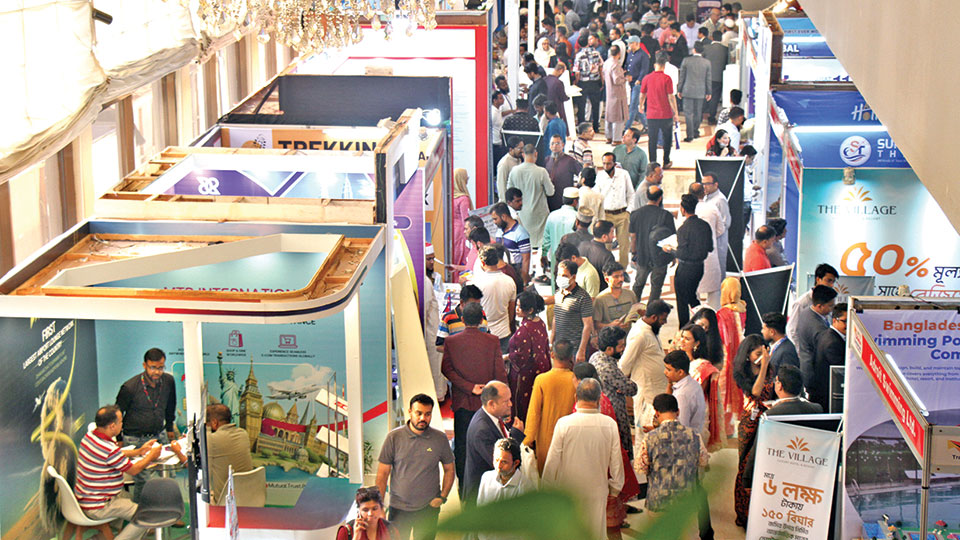
The three-day international tourism exhibition, held from April 9 to 11, organized by The Bangla-desh Monitor, brought together more than 50 organizations from cou-ntries including Bangladesh, Nepal, Thailand, and Malaysia. With around 80 booths representing airlines, tour operators, hotels, and healthcare travel providers, the event attracted nearly 15,000 visitors, generating approximately BDT 100 million in business transactions, organizers said.
Industry representatives said the current global environment-marked by route disruptions and rising travel uncertainty-has made regional tourism corridors more important than ever, particularly in South and Southeast Asia.
Malaysia highlights growing Bangladesh market
While visiting Dhaka Travel Mart, the High Commissioner of Malaysia to Bangladesh Mohd Shuhada Othman noted strong recovery in inbound tourism and growing interest from Bangladeshi travelers. He emphasized Malaysia's continued focus on strengthening tourism promotion in Bangladesh and highlighted increasing connectivity between the two countries.
Malaysian tourism officials and partners also participated in Dhaka Travel Mart, where they echoed similar sentiments about the importance of regional travel and Bangladesh's growing outbound tourism potential.
Thailand sees strong medical tourism flow
On the sidelines of Dhaka Travel Mart, Thailand's Ambassador to Bangladesh Thitiporn Chirasawadi highlighted the growing importance of medical tourism as a key pillar of bilateral travel between the two countries.
She noted that a significant share of Thai visa applications from Bangladesh are now linked to healthcare travel, reflecting strong trust in Thailand's medical system. With thousands of Bangladeshi patients traveling annually for treatment, medical tourism has become a major driver of regional mobility.
Thai healthcare institutions, including leading hospitals in Bangkok, also showcased their services during engagements around the travel fair, emphasizing tailored treatment packages, improved accessibility, and dedicated support services for Bangladeshi patients.
Regional travel seen as resilient growth engine
Tourism stakeholders at the fair said that despite global uncertainty, regional tourism remains comparatively resilient due to shorter travel distances, lower costs, and stronger cultural and economic ties within Asia.
Airlines and travel companies participating in the fair highlighted attractive discounts on both domestic and international routes, along with packaged holiday offers aimed at middle-income travelers. Several exhibitors also noted growing interest in affordable short-haul destinations and combined travel-healthcare packages.
Industry participants said the combination of improved regional connectivity, rising disposable income in emerging markets, and shifting global travel patterns positions South and Southeast Asia as a key growth hub for tourism in the coming years.