

FedEx asks FAA to allow anti-missile lasers in its planes

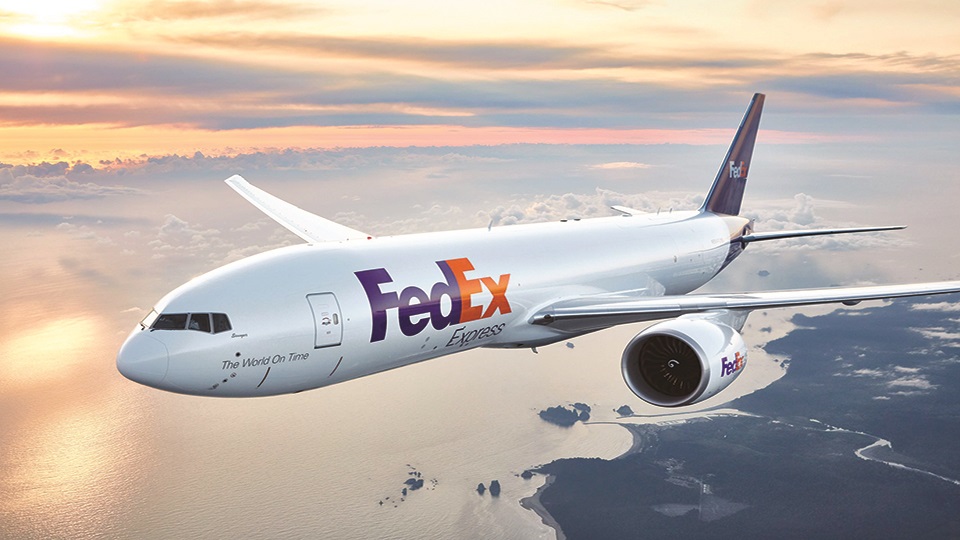
Memphis : The cargo company FedEx has petitioned the Federal Aviation Administration to allow it to add laser-based anti-missile countermeasure systems to its Airbus A321-200 aircraft, even though FedEx does not yet operate the aircraft.
FedEx's concerns about missile attacks may be valid as the RAND Institute said, "In March 1975, an Air Vietnam passenger airliner was brought down [by] a man-portable defense system (MANPAD). The resulting crash killed 26 crew members and passengers. Since then, upwards of 60 civilian aircraft have been hit by MANPADS, resulting in the deaths of over 1,000 civilians."
The proposed system would direct infrared laser energy toward an incoming missile, to interrupt its tracking of engine heat. The system would work automatically, without pilot interaction. Installation of the protective radar plus laser package could also expand FedEx's operations, allowing it to fly into restricted areas and world 'hot spots.'
FedEx pointed out in its application to FAA, there have been many incidents in which civilian aircraft have been targeted by individuals or groups using shoulder-launched portable missiles, aka MANPADS.
In 2014 Malaysian Airlines MH17 was shot down over eastern Ukraine, killing 298. Also, in 2020, Ukraine International Airlines Flight PS752 was destroyed by an Iranian Revolutionary Guard missile.
RAND also mentioned, "al-Qaeda, the Islamic State in Iraq and Syria, and Hezbollah, are thought to possess MANPADS, presenting an ongoing concern for commercial aviation."
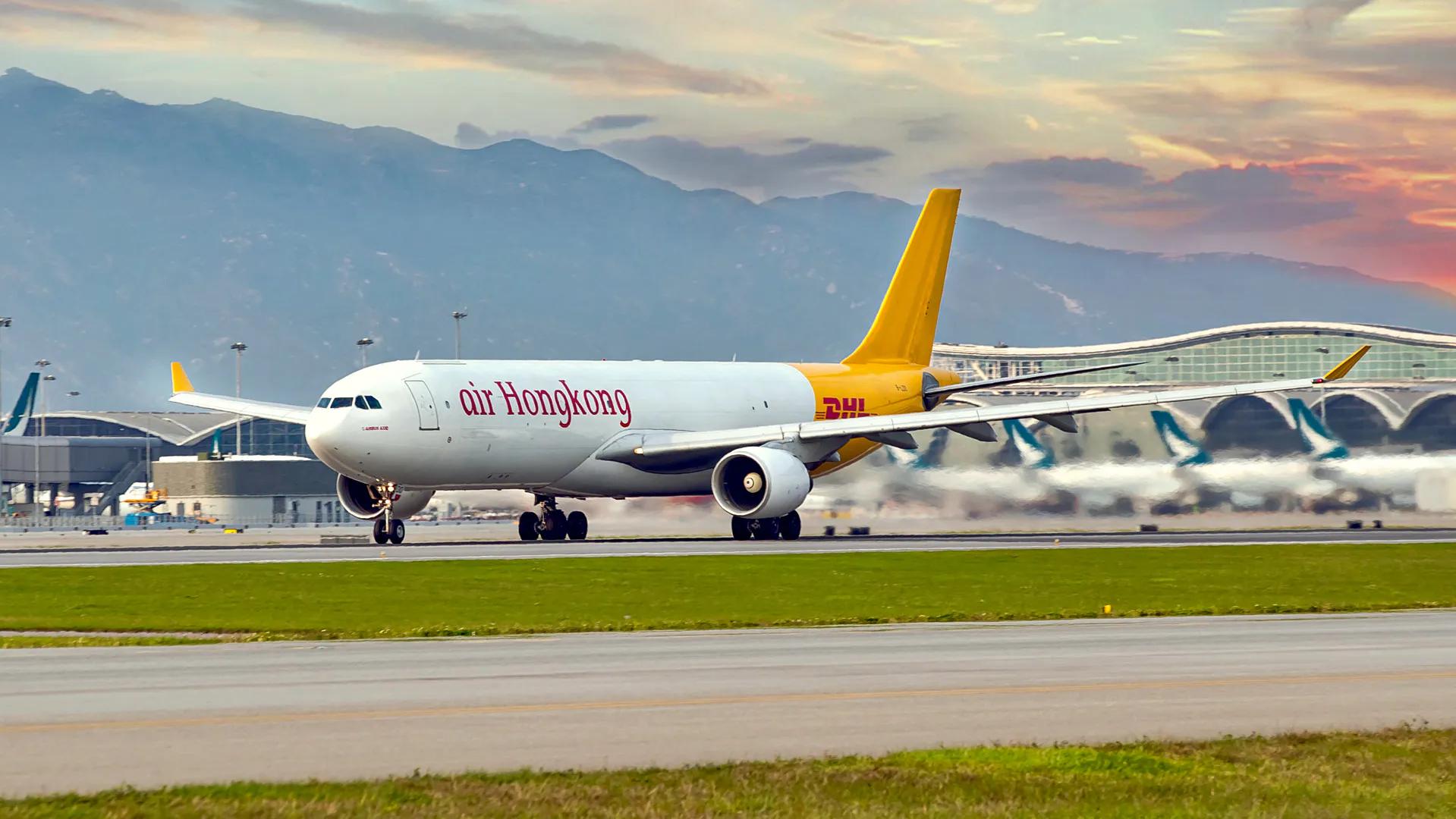
In 2003, a DHL cargo jet was hit by a missile taking off from Baghdad Airport. The crew were later recognised for successfully landing the crippled aircraft, which never flew again.
In November 2002, an Israeli Arkia 757 had a narrow escape when targeted by terrorists with MANPADs in Kenya. Two missiles barely missed the plane, carrying over 250 passengers.
Before FedEx gets approval, the FAA said it plans to evaluate the system for safety issues. These include inadvertent ground activation or in-flight activation (like accidentally zapping other aircraft), and providing markings, instructions, and other information to "protect people based on their interactions with the system."