
Top News
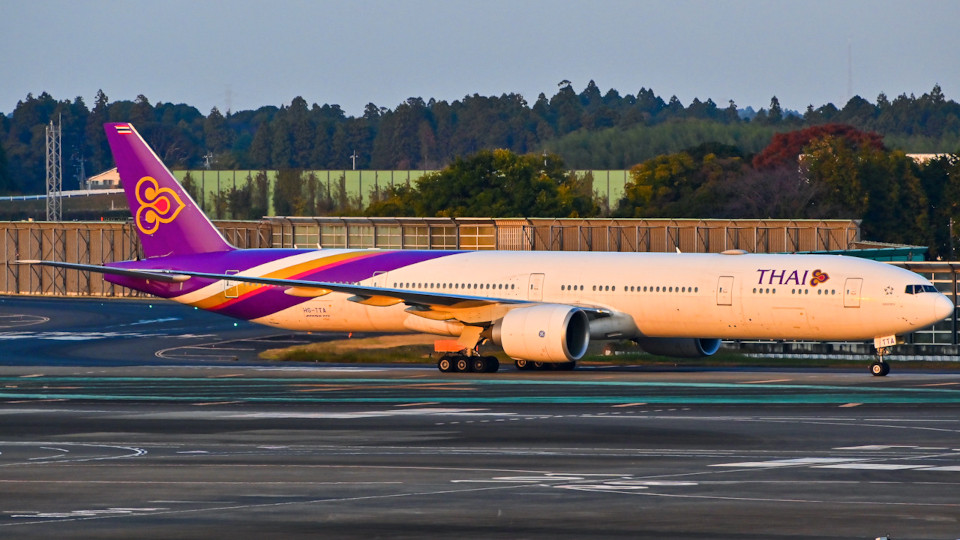
Dhaka: Thai Airways International has confirmed it is not permanently cancelling any flight routes despite recent schedule reductions affecting more than 46 services in May.
Speaking at Thailand's Transport Ministry, CEO Chai Eamsiri said the adjustments cover both domestic and international routes, including destinations in Asia and Europe such as Singapore, Japan, and India, as well as Udon Thani and Khon Kaen. The changes aim to align operations with current demand.
Chai attributed the cuts to softer passenger demand, as travelers delay bookings amid economic uncertainty and rising living costs. Some flights close to departure dates have seen low seat occupancy, prompting the airline to consolidate services and improve efficiency.
The adjustments for May represent approximately 4–5% of Thai Airways' total schedule and are short-term in nature. The airline has set up a "war room" to monitor demand daily and respond quickly, with flight frequencies to be restored during peak periods if demand rebounds.
Measures include deploying smaller aircraft where appropriate and reducing frequency — for example, from daily services to five times weekly — before considering cancellations, which would only be temporary if implemented.
Chai also cited jet fuel prices as a significant cost factor. Prices rose from approximately USD 90 per barrel before the end of February 2026 to a peak of around USD 240, nearly tripling. Although prices have since eased, they remain roughly double previous levels, requiring careful cost management and fare adjustments.
On a positive note, lower passenger loads have increased available cargo capacity, offering an opportunity to boost revenue through high-value goods and medical shipments, where demand remains strong.
The CEO confirmed that aircraft procurement plans remain unchanged, stressing the importance of long-term sustainability over short-term fixes. First-quarter 2026 performance was in line with expectations.
Chai warned, however, that a prolonged conflict in the Middle East could significantly impact the global aviation industry, and Thai Airways will continue to monitor developments and adjust its strategy accordingly.
V
Share this post
Also on Bangladesh Monitor