


57 years of flight: how Boeing 747 became "The Queen of the Skies"

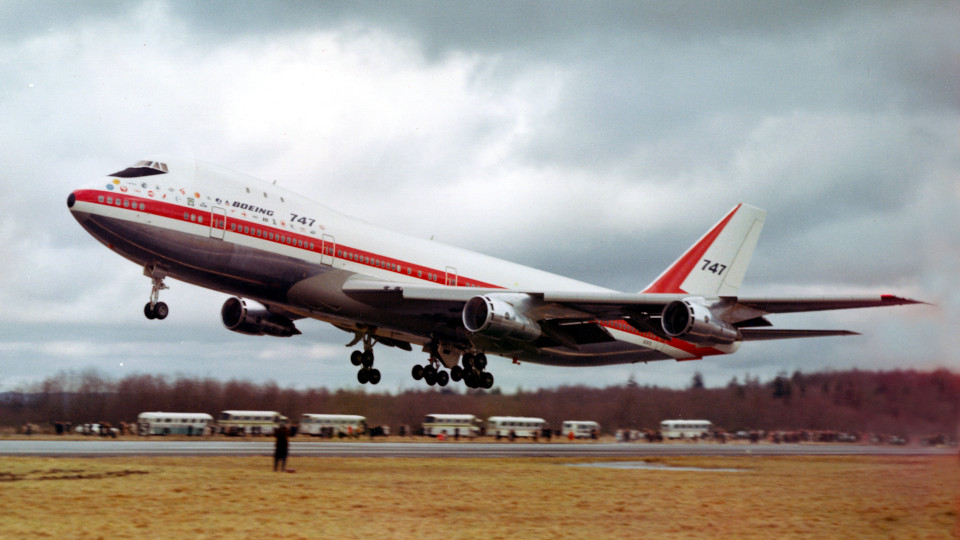
Dhaka: In the book of aviation history, February 9, 1969, remains a golden page when the world, in awe, witnessed a behemoth, with its sheer size, take to the skies for the very first time. Since that day, the Boeing 747, affectionately named "the Queen of the Skies," has stood as the most iconic aircraft the skies have ever graced.
The history of the 747 began in 1965, when Pan American Airways (PanAm) President Juan Trippe asked Boeing to build a new jet aircraft 2½ times the size of the 707, the largest passenger aircraft in service at the time. Designed with four engines and its distinctive hump, the 747 made its first flight in February 1969 and entered commercial service with Pan Am in January 1970. Over its production run, Boeing delivered 1,574 aircraft across multiple variants, with the final unit rolling out in December 2022.
For decades, the 747 dominated long-haul travel, connecting continents with unprecedented passenger capacity. Airlines such as British Airways, Lufthansa, and Japan Airlines structured their networks around the jumbo, enabling nonstop ultra-long-haul flights that were previously impossible. Its size, range, and cultural significance earned it a legendary status, cementing the “Queen of the Skies” nickname.
In recent years, the rise of fuel-efficient twin-engine jets like the Boeing 777 and Airbus A350 gradually reduced demand for four-engine giants. Rising fuel costs and a shift toward point-to-point travel accelerated retirements. By early 2025, only a handful of airlines still operate the 747 for passenger service, though its freighter variants remain popular for cargo operations. Some passenger 747-8s are expected to remain in service into the early 2030s.
Currently, Lufthansa operates the largest remaining fleet of 747s in scheduled passenger service, followed by Air China, Korean Air, and Russia’s Rossiya Airlines. Cargo operators continue to fly hundreds of 747 freighters worldwide, keeping the aircraft visible in global skies.
The 747 has always captured the imagination of passengers and aviation enthusiasts. Its distinctive double-deck profile symbolizes global connectivity, prompting many to take “last flights” and share nostalgic stories. Spotters and travelers alike continue to celebrate the aircraft, reflecting the enduring affection people hold for the Queen of the Skies.
At 57 years old, the Boeing 747 may no longer dominate the skies as it once did, but its legacy remains unmatched. From revolutionizing international air travel to inspiring generations of travelers, the Queen of the Skies has earned its crown, and its story remains a testament to aviation innovation and the enduring allure of flight.
V