

Airbus issues sweeping recall of 6,000 A320 jets, global air travel upended

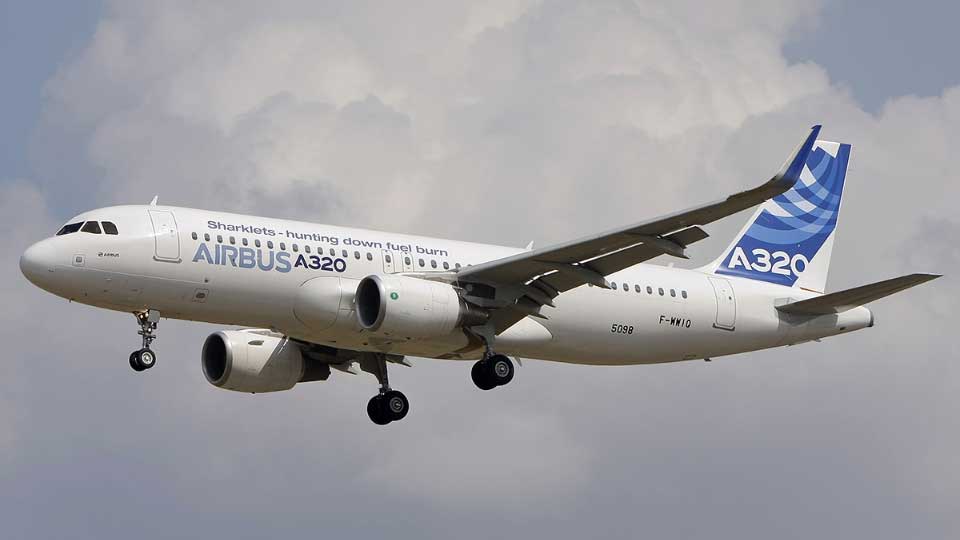
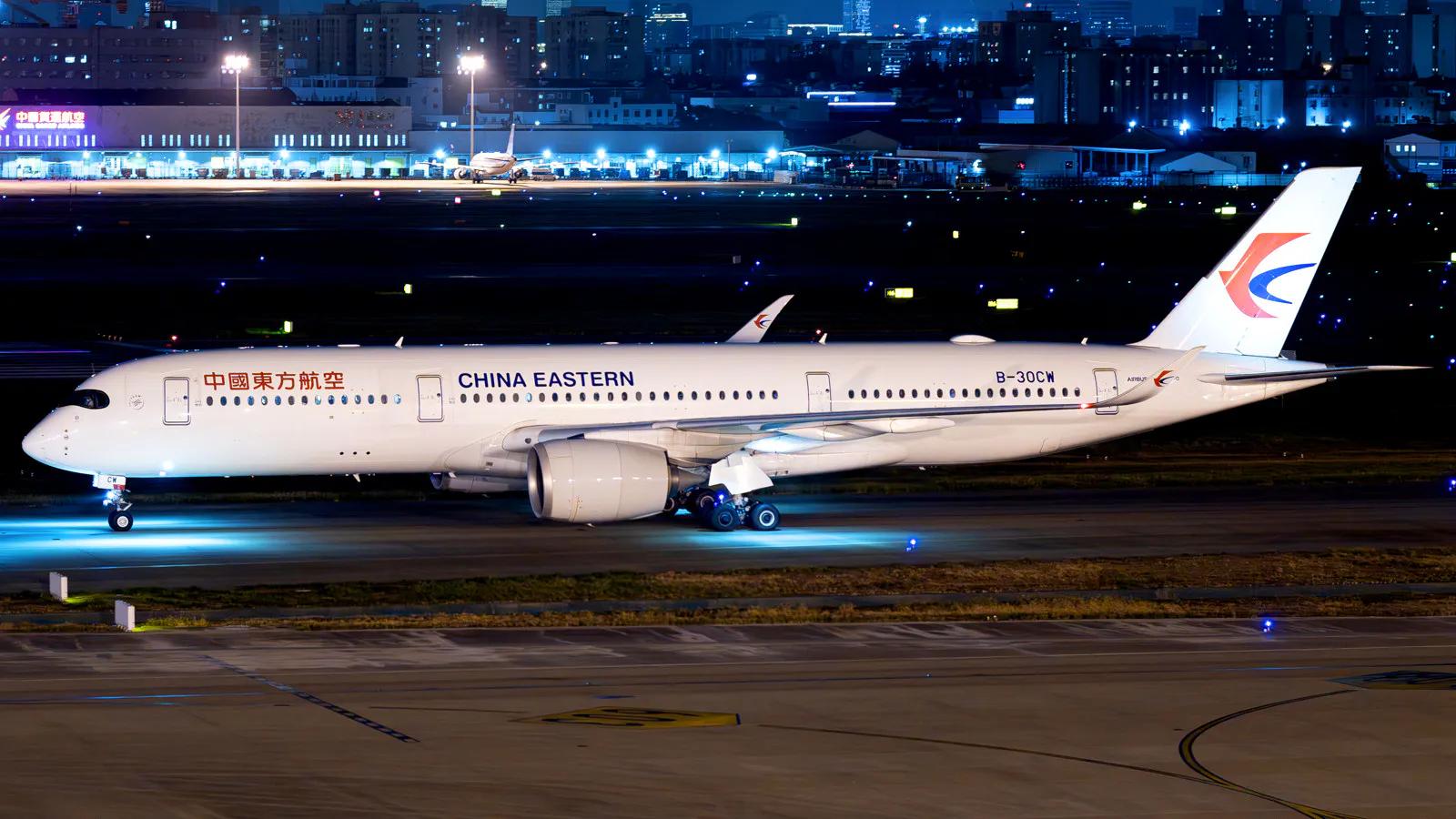
Dhaka: On November 28, 2025, Airbus ordered urgent repairs on some 6,000 A320-family jets — more than half of the world’s A320 fleet — after identifying a critical flight-control software flaw that could compromise safety.
The recall was triggered by a mid-air incident on October 30, when a flight by JetBlue experienced an abrupt, uncommanded drop in altitude — forcing an emergency diversion with several passengers injured.
To prevent further risk, regulators — including the European Union Aviation Safety Agency (EASA) and the Federal Aviation Administration (FAA) in the US — mandated that all affected jets revert to a previous, safer software version (and, in some cases, perform hardware inspections or replacements) before being allowed to fly again.
Airlines that cancelled flights or halted operations, how they were hit
Here are some of the major airlines that publicly reported cancellations or significant operational disruption as a direct result of the recall:
- Jetstar (Australia): Cancelled around 90 flights after grounding 34 of its 85 A320-family jets for the mandatory software fix.
- ANA Holdings (Japan): Cancelled 65 flights on Saturday following the recall, grounding some of its A320 aircraft.
- Cebu Pacific (Philippines): Announced cancellation of a number of domestic and international flights on November 29 as affected A320/A321 aircraft underwent mandatory checks.
- Philippine Airlines (PAL) (Philippines): Also cancelled flights — according to reports, the recall prompted both Cebu Pacific and PAL to cancel a batch of domestic flights.
- Avianca (Colombia / Latin America): Said the recall affected over 70 percent of its fleet — about 100 jets — prompting it to suspend ticket sales for travel dates through December 8 and foresee “significant disruption” over the upcoming days.
- Air France (Europe): Reported cancelling approximately 35 flights amid the global grounding/recall.
Other carriers — including many in India, Europe, and elsewhere — have grounded A320s temporarily to apply software rollbacks. Some, like IndiGo in India, have reportedly completed the fix for many jets and avoided mass cancellations; others expect delays or some rescheduling.
What the fixes involve — speed, mixed disruption
Airbus says that for the majority of affected jets, the repair involves a straightforward rollback of the flight-control software. That process takes around 2–3 hours per aircraft, meaning many airlines could restore at least part of their fleets overnight.
However, some older or more affected aircraft may require hardware inspections or replacements in addition — which could take far longer and prolong groundings.
Because of the mix — quick fixes for some aircraft, longer downtime for others — some airlines have been able to resume flights quickly, while others continue to cancel or reschedule flights for the coming days.
What this means — scale, disruption, recovery
- The recall — affecting more than half of the global A320-family fleet — represents likely one of the largest mass groundings/recalls in recent aviation history.
- Because A320-family jets are widely used for short- to medium-haul flights worldwide (Asia, Europe, Americas, etc.), the impact spans continents — from Australia, Philippines, Japan to Europe and Latin America.
- Passengers around the world have experienced cancellations, delays, or abrupt itinerary changes — many airlines have offered flexible rebooking, refunds, or travel-credit options. For example, Cebu Pacific told affected customers they could rebook or convert tickets to travel funds.
- The disruption comes at a difficult time for airlines: some face a backlog of maintenance needs and staffing shortages — and this recall adds fresh pressure on repair capacity.
- T