

Top News
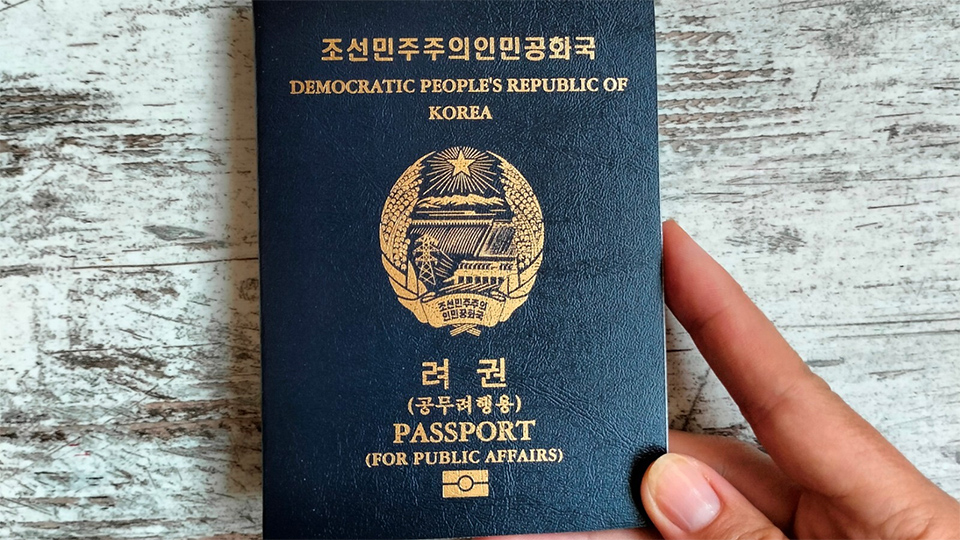
Dhaka: In a move that has drawn international attention, Bangladesh has introduced a visa-on-arrival facility for citizens of the Democratic People’s Republic of Korea (DPRK), commonly known as North Korea. As per multiple international media outlets, the decision represents a significant adjustment in Dhaka’s approach toward one of the world’s most diplomatically isolated countries.
Under the updated policy, North Korean passport holders are now eligible to obtain a visa upon arrival at designated entry points in Bangladesh. While this does not amount to full visa-free access, it removes the earlier requirement for DPRK citizens to secure a visa in advance through a Bangladeshi embassy or consulate.
Measured easing of entry rules
Previously, travelers from North Korea were required to undergo standard pre-approval procedures before traveling to Bangladesh. The visa-on-arrival arrangement streamlines that process, allowing eligible visitors to receive entry clearance at the port of entry.
International reports have emphasized the distinction between “visa-free” access and “visa-on-arrival.” Although some headlines initially described the move as visa-free entry, the more accurate classification is visa-on-arrival, meaning travelers must still complete immigration formalities upon arrival.
Significance for one of the world’s least powerful passports
The North Korean passport consistently ranks near the bottom of global mobility indices, including the widely cited Henley Passport Index. Due to limited diplomatic ties and international sanctions, DPRK nationals typically face stringent visa restrictions across much of the world.
Only a small number of countries offer North Koreans visa-free access, visa-on-arrival arrangements, or electronic travel authorizations. Against this backdrop, Bangladesh’s decision stands out as a rare expansion of travel flexibility for DPRK citizens.
Diplomatic context
Bangladesh and North Korea have maintained diplomatic relations for decades, although ties have fluctuated over time. North Korea previously operated an embassy in Dhaka, which closed in late 2023. Despite that development, diplomatic communication channels have remained open.
Analysts cited in international coverage suggest that the policy adjustment could reflect broader geopolitical calculations. Bangladesh has increasingly sought to balance diverse international relationships while maintaining strategic autonomy in foreign policy. Offering visa-on-arrival access may signal a willingness to engage across ideological divides without fundamentally altering its broader diplomatic stance.
Limited but symbolic impact
In practical terms, the number of North Korean travelers expected to benefit from the policy may remain modest, given the strict exit controls imposed by Pyongyang and the broader realities of international travel restrictions. However, observers note that the symbolic dimension of the move is significant.
For citizens of one of the world’s most isolated nations, even incremental improvements in mobility can carry diplomatic weight. While Bangladesh’s decision does not dramatically change the global travel landscape for North Koreans, it introduces a new variable into discussions around mobility, sanctions, and bilateral engagement.
Subtle policy recalibration
As reported by international media outlets, Bangladesh’s introduction of visa-on-arrival access for DPRK passport holders represents a carefully calibrated shift rather than a sweeping change. The policy simplifies entry procedures but stops short of granting unrestricted access.
Whether this development signals deeper diplomatic engagement remains to be seen. For now, it stands as an unusual and noteworthy step in a global environment where travel restrictions often dominate policy conversations.
T