

Bangladesh urged to reopen closed airports to boost domestic tourism

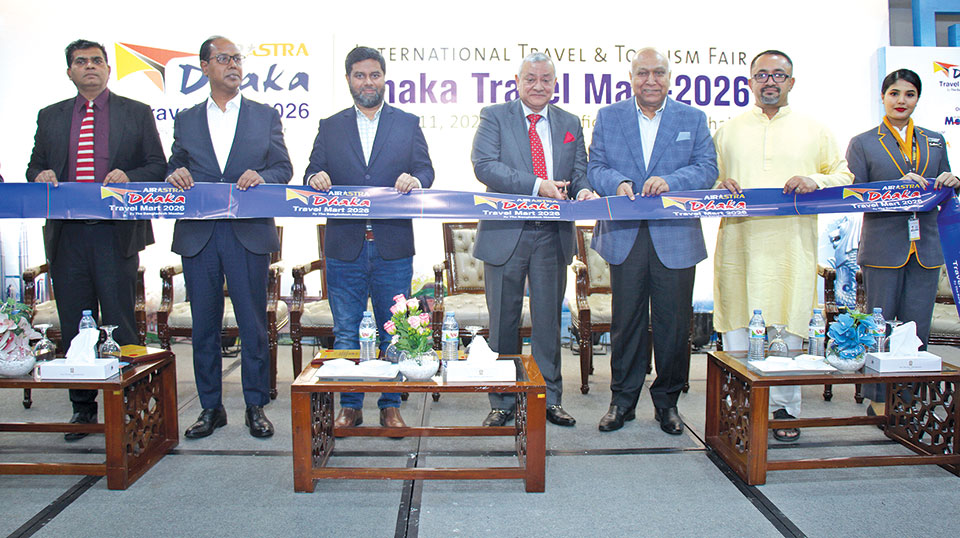
Dhaka : Bangladesh must urgently revive its closed and underutilized airports to strengthen domestic tourism and build a more resilient travel economy at a time of rising global instability and conflict.
Member of Parliament M Nasser Rahman said this as the chief guest while addressing the opening ceremony of Dhaka Travel Mart 2026 held at Pan Pacific Sonargaon Dhaka on April 9.
The Member of Parliament called for a major rethinking of Bangladesh's aviation and tourism infrastructure, arguing that the country's tourism future depends heavily on improved internal connectivity, affordable travel, and better utilization of dormant assets.
At the center of his proposal is the reopening of the long-unused Shamshernagar Airport, alongside the revival and operational expansion of several regional airports including those in Bogura, Lalmonirhat, and Ishwardi. He said these facilities, if activated strategically, could significantly ease domestic travel pressure, open up new tourism corridors, and stimulate local economies outside the capital.
"Resumption of closed airports is no longer a matter of optional infrastructure planning-it is a necessity for tourism survival and expansion," he indicated in his remarks. He stressed that Bangladesh cannot rely solely on a narrow set of tourist hubs when the global travel environment remains unpredictable due to geopolitical tensions, economic volatility, and fluctuating international travel costs.
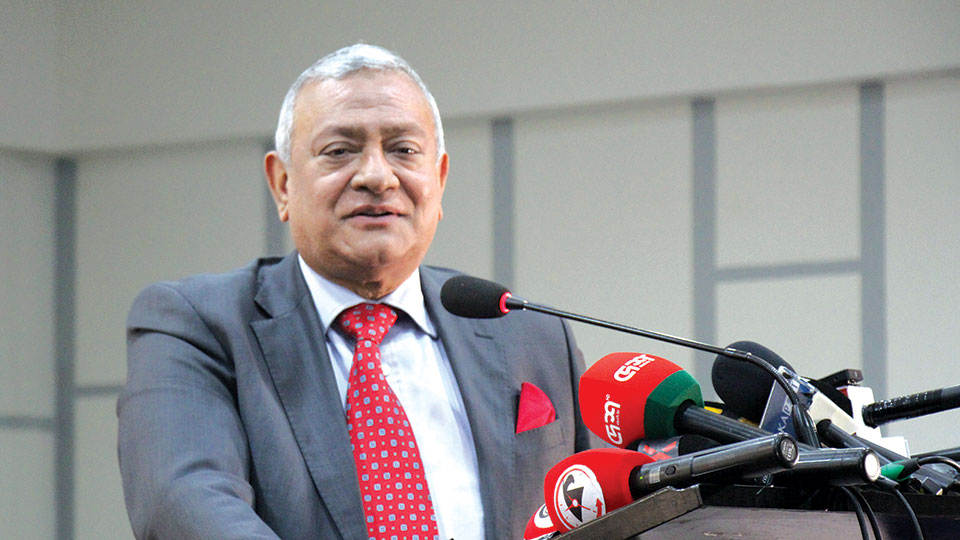
M Nasser Rahman addressing a ceremony
The MP argued that in such a context, domestic tourism must become the backbone of the country's travel industry. Strengthening internal air routes, he said, would allow Bangladeshi tourists to explore destinations within the country more conveniently while also making it easier for foreign visitors already in Bangladesh to travel beyond the capital region or typical destinations.
He placed particular emphasis on the potential of Moulvibazar, describing the district as one of the country's most promising yet underdeveloped tourism regions. Home to tea gardens, rolling hills, wetlands, and eco-tourism attractions, Moulvibazar, he said, requires targeted investment, improved accessibility, and coordinated promotion to unlock its full potential.
"Without focused support, regions with immense natural and cultural value will remain underutilized," he cautioned, adding that balanced regional development is essential for a sustainable tourism economy. He urged policymakers, private investors, and aviation stakeholders to treat Moulvibazar not as a secondary destination but as a core pillar of Bangladesh's tourism strategy.
Alongside aviation expansion, he also underscored the importance of improving rail connectivity to key tourist destinations. He specifically pointed to popular travel zones such as Sreemangal and surrounding areas, calling for additional air-conditioned coaches and upgraded passenger services to make rail travel more comfortable, reliable, and attractive for both domestic and international tourists.
Rail improvements, he noted, are particularly important for middle-income and budget travelers who form a significant share of Bangladesh's domestic tourism market. Enhancing comfort and reliability, he argued, would directly contribute to increased tourist flow and longer stays in regional destinations.
On the aviation side, the MP also highlighted the issue of jet fuel pricing, stating that stabilizing global conditions could help reduce costs for airlines. Lower fuel prices, he suggested, would ease operational pressure on carriers and potentially translate into more competitive airfare pricing for passengers. This, in turn, could encourage more frequent domestic travel and support the broader tourism ecosystem.
However, he cautioned that infrastructure expansion alone would not be enough unless accompanied by reforms in the tourism services sector. Drawing attention to the pricing structure in major tourist destinations such as Cox's Bazar, he criticized what he described as "unreasonably high" costs for food, beverages, and recreational services.
He cited a widely used comparison to illustrate the issue: a beer that costs around USD 1 internationally is often priced at approximately USD 12, or nearly BDT 1,400, in Cox's Bazar. "If tourists face such pricing disparities, why would they choose Bangladesh as a destination?" he questioned, warning that inflated prices risk damaging the country's competitiveness in the global tourism market.
The MP stressed that Bangladesh must adopt a more tourist-friendly pricing policy across accommodation, food services, and entertainment offerings. He called for a balanced approach that ensures fair returns for businesses while maintaining affordability for travelers.
He further urged stakeholders to improve service quality, diversify entertainment options, and align tourism products with international expectations. Without these reforms, he warned, infrastructure investments alone would not translate into increased tourist arrivals or sustainable industry growth.
Concluding his remarks, the MP emphasized that Bangladesh stands at a critical juncture in its tourism development journey. With the right mix of reopened airports, improved rail networks, stable aviation costs, and restructured tourism pricing, he said, the country has the potential to emerge as a strong regional destination.
"Tourism must be made accessible, affordable, and competitive if we are to realize its full potential," he said, calling for immediate and coordinated action across government agencies and private sector stakeholders.
Imran Asif, CEO, Air Astra; Md Saiful Haque, Country Manager and CEO, Sabre Travel Network Bangladesh; Abu Bokar Siddik, Divisional Head, Card Division, Mutual Trust Bank; Kamrul Islam, General Manager, Public Relations, US-Bangla Airlines; and Kazi Wahidul Alam, Editor, The Bangladesh Monitor; also spoke at the opening ceremony, echoeing the same tune.