

Airbus signals "historic" A220 announcement

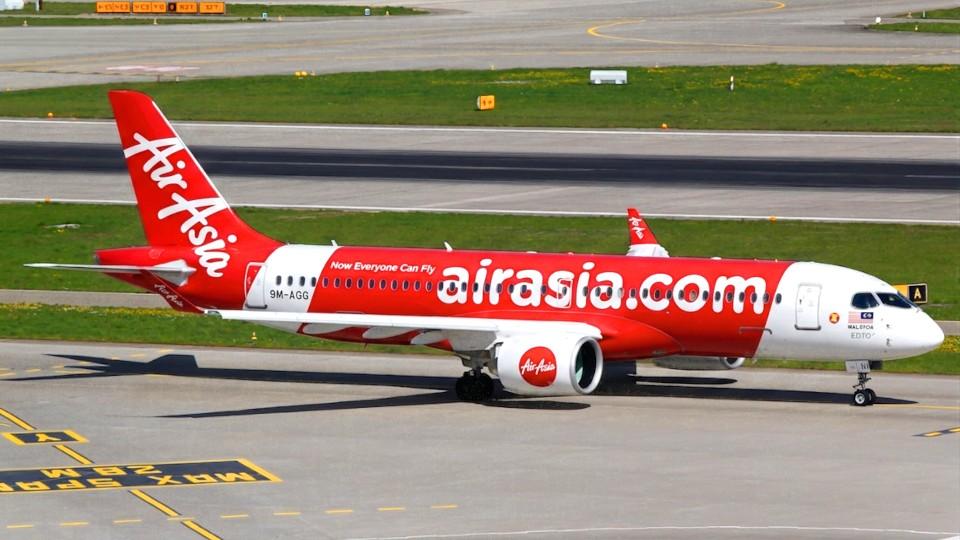
Dhaka: Airbus is preparing for what it describes as a "historic" announcement for its A220 program, with multiple reports linking the event to a major order from Malaysian low-cost carrier AirAsia.
The announcement is scheduled for May 6 at the A220's Mirabel assembly facility in Quebec, where the type is assembled for non-US customers. Canadian Prime Minister Mark Carney is expected to attend, highlighting the program's significance to Canada's aerospace industry.
While Airbus has not formally identified the customer, multiple reports indicate AirAsia is poised to order approximately 150 A220 jets. A deal of that scale would rank among the most significant orders in the program's history and represent a major win for Airbus in the 100- to 150-seat market.
The A220 would introduce a new aircraft type to AirAsia's fleet, which is currently built around the Airbus A320 family. The smaller jet would give the airline group greater flexibility to launch service on thinner routes and serve markets where larger A320-family aircraft may not be commercially viable.
AirAsia co-founder Tony Fernandes had previously indicated the airline was exploring smaller aircraft as part of a broader fleet strategy. The carrier has been reshaping its order book with new Airbus jets, including the A321XLR, while seeking to expand into new city pairs across Asia and beyond.
A large AirAsia order would also strengthen the A220's competitive position against Embraer's E-Jet E2 family, which competes at the lower end of the narrowbody market. Embraer has recently gained momentum with fresh E2 sales, increasing pressure on Airbus to grow the A220 customer base.
Airbus took control of the former Bombardier C Series program in 2018 and has since worked to increase production rates and reduce costs. The aircraft is also assembled at Airbus' facility in Mobile, Alabama, for US-based customers.
AirAsia is already one of Airbus' largest narrowbody customers, with hundreds of A320-family aircraft on order. The reported A220 deal would not replace that core role but rather complement it, giving the airline a smaller platform for routes where frequency, range, and trip cost take precedence over maximum seat capacity.
V