

Top News
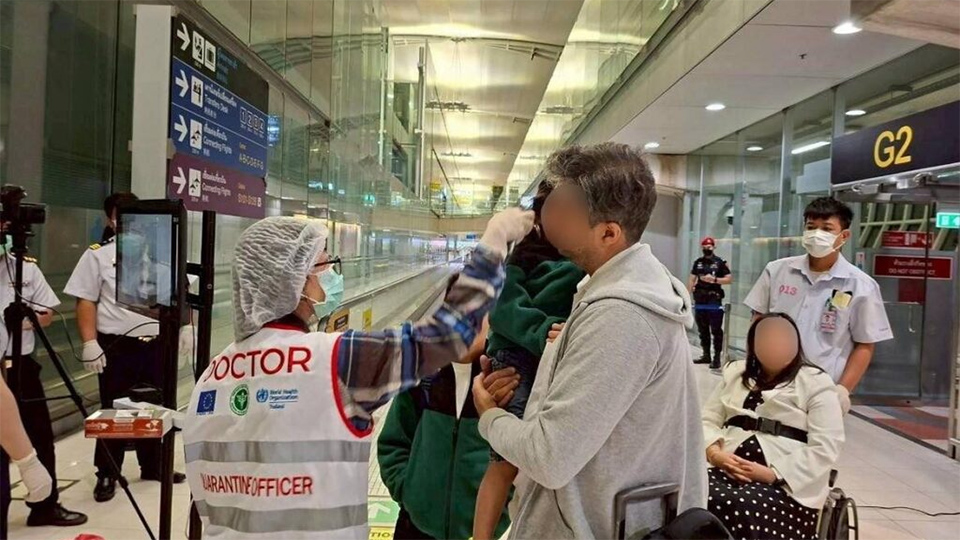
On January 25, Thailand’s Dept of Disease Control began screening passengers arriving from India at Suvarnabhumi, Don Mueang, and Phuket airports for Nipah virus cases
Dhaka: Memories of Covid-era travel disruptions are fading for many passengers, but a new public health concern is bringing back familiar precautions across parts of Asia. Authorities are tightening disease-control measures at major airports following fresh cases of the highly lethal Nipah virus, prompting screenings, sanitation drives, and renewed contact-tracing protocols.
Nipah is a zoonotic virus that can be transmitted to humans through infected bats, pigs, contaminated food, or close contact with infected individuals. First identified in Malaysia in 1999, the virus belongs to the Paramyxoviridae family. According to the World Health Organization, the incubation period ranges from four to 18 days, and while some infections cause mild or no symptoms, others lead to severe illness.
Common early signs include fever, headaches, muscle aches, and breathing difficulties. In serious cases, the virus can trigger encephalitis, resulting in confusion, seizures, coma, and sometimes death. Among patients who develop clinical symptoms, fatality rates are estimated to fall between 40 percent and 75 percent. At present, there is neither a licensed vaccine nor a specific treatment.
Nipah infections have previously been reported in Bangladesh, India, Malaysia, the Philippines, and Singapore. Recently, new cases in India’s Kerala state — particularly in Kozhikode and the nearby pilgrimage hub of Malappuram — have raised regional concern. As a result, countries such as Nepal, Taiwan, and Thailand have stepped up health checks at key international airports, including Kathmandu and Phuket.
Taiwan’s Centers for Disease Control has currently placed Nipah under a Level 2 “yellow” alert, signaling heightened vigilance. Officials are also considering elevating the virus to the most serious Category 5 notifiable disease status, which would require immediate reporting and strict containment measures. In Thailand, Deputy Prime Minister and Public Health Minister Anutin Charnvirakul has emphasized that no domestic cases have been confirmed so far.
Thai authorities confirmed that airport screening began on January 25, 2026, noting strong compliance from arriving passengers. Travelers across the region should expect visible increases in cleaning and disinfection, along with health checks at major transit hubs. These may include temperature screenings, health questionnaires, travel history reviews, and, where necessary, testing and contact tracing.
Anyone displaying symptoms consistent with Nipah infection may be placed in immediate quarantine. Passengers could also receive informational materials explaining warning signs and steps to take if illness develops after travel. Beyond airports, public awareness campaigns and precautionary measures are appearing in popular outdoor and tourist areas. In Thailand, for example, safety messages urge visitors to avoid hunting, foraging, or consuming wild foods to reduce the risk of exposure.
T