

Mountain biking opens new trails for adventure tourism in Nepal

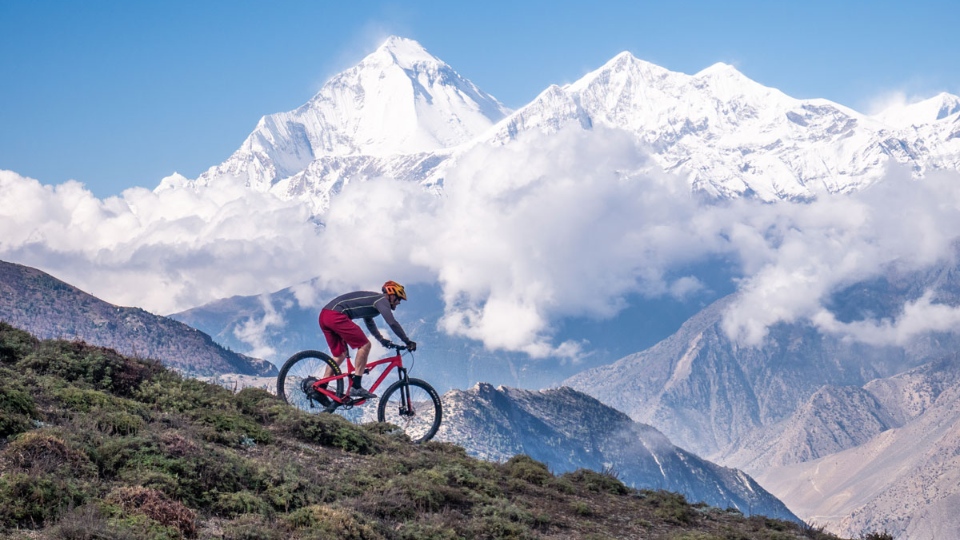
Dhaka: Nepal’s Himalayan landscape, long defined by trekking routes and summit expeditions, is increasingly being explored on two wheels. In the hills of Solukhumbu District, beneath the shadow of Mount Everest, mountain biking is emerging as a new form of adventure tourism — one that is creating year-round income opportunities for local Sherpa communities.
On narrow dirt trails that wind through forests and villages, riders descend steep paths where yaks and dzo often roam freely. According to local guide Mingmar Yangzi Sherpa, mountain biking offers a more immersive way to experience the region. Unlike trekking, it allows travelers to move quickly between settlements, stay in family homes, and experience daily life beyond established tourist corridors, sometimes at elevations above 4,000 meters.
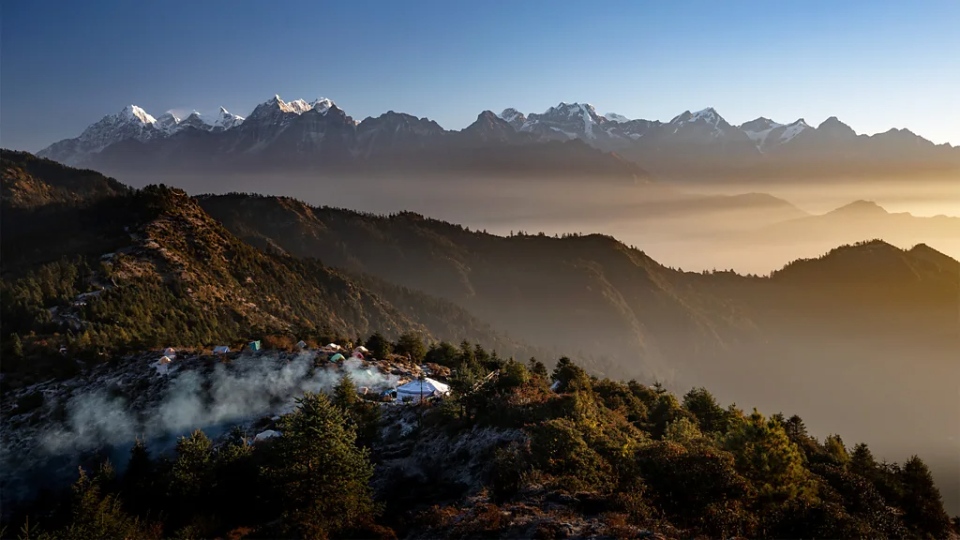 At the heart of Nepal's growing mountain bike scene lies its center Phaplu
Although Nepal is globally known for mountaineering, mountain biking has remained relatively underdeveloped. That is beginning to change in Phaplu, a small town in Solukhumbu, where a grassroots initiative is building trails and training local riders to guide visitors.
The nonprofit Phaplu Mountain Bike Club, founded in 2020 by hospitality professional Ang Tshering Lama and former French professional cyclist Tangi Rebours, has developed 70 kilometers of trails in the community-managed Ratnange Forest. The routes range from beginner-friendly tracks to technical downhill sections and are designed to attract both novice riders and experienced enthusiasts.
The project was launched against a backdrop of economic challenges faced by Sherpa communities. While seasonal work on Everest expeditions can be relatively lucrative, it is short-lived and risky. Many Sherpas struggle to find stable income outside the climbing season, and earnings are often far lower than those of foreign guides working on the same expeditions.
By contrast, the mountain biking initiative aims to provide locally controlled, year-round employment. Young residents are trained as guides, trail builders and bike mechanics, while families are encouraged to open homestays for visiting riders. In 2023, the club organized the Enduro Ratnange race, a four-day event that has begun to draw international attention to the region.
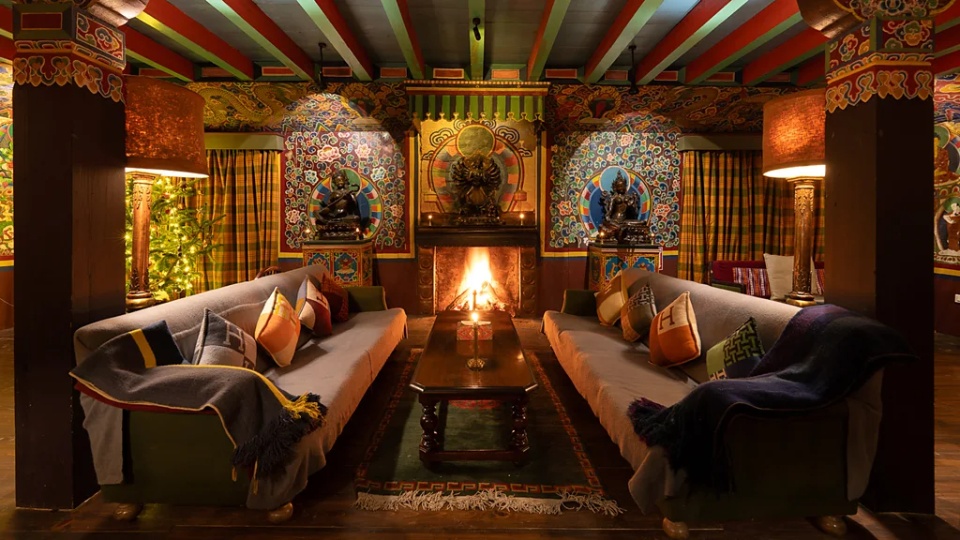 Bikers can also bed down in the lavish Happy House lodge in Phaplu
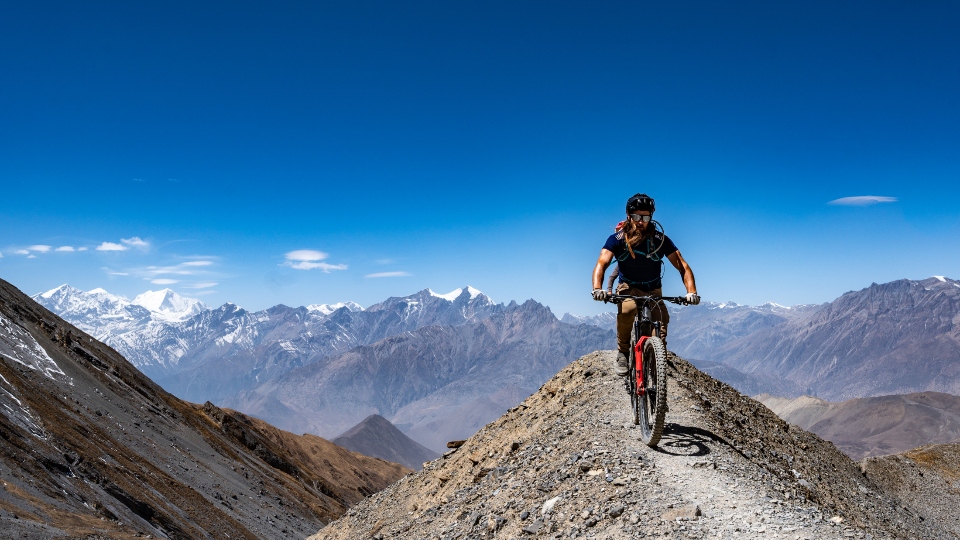
Tourism operators said, Nepal’s terrain gives it strong potential as a mountain biking destination. The country offers a mix of mild weather, rideable trails for much of the year and varied landscapes, from forested singletrack to high-altitude ridgelines. Ratnange Forest’s elevation, at over 3,200 meters, also appeals to riders seeking the endurance benefits of high-altitude cycling.
Beyond tourism, the trails have had environmental benefits. Many follow traditional footpaths used for generations by farmers and herders, and regular use of the forest has helped deter illegal logging and hunting, according to the club’s organizers.
The growing biking scene is also reshaping village life. In settlements such as Garikhasa, families now host foreign riders in their homes, serving traditional Sherpa meals and offering accommodation during biking seasons and race events. Some local residents who previously moved to Kathmandu for work have returned to Solukhumbu to take part in the project.
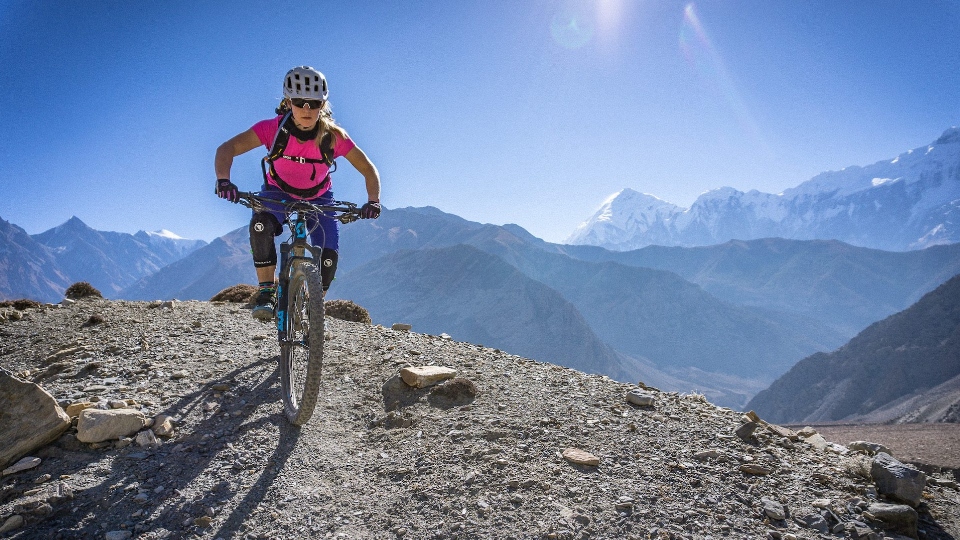
Lama believes the long-term impact could extend beyond guiding. With global mountain biking tourism expected to grow significantly in the coming decade, he said local youth could go on to establish their own businesses, from tour operations to repair workshops.
While Mount Everest continues to dominate Nepal’s tourism economy, initiatives like mountain biking in Phaplu are offering an alternative path. Away from crowded summit routes, a quieter form of adventure is taking shape — one that combines sport, culture and community-led development in the Himalayas.