

Top News
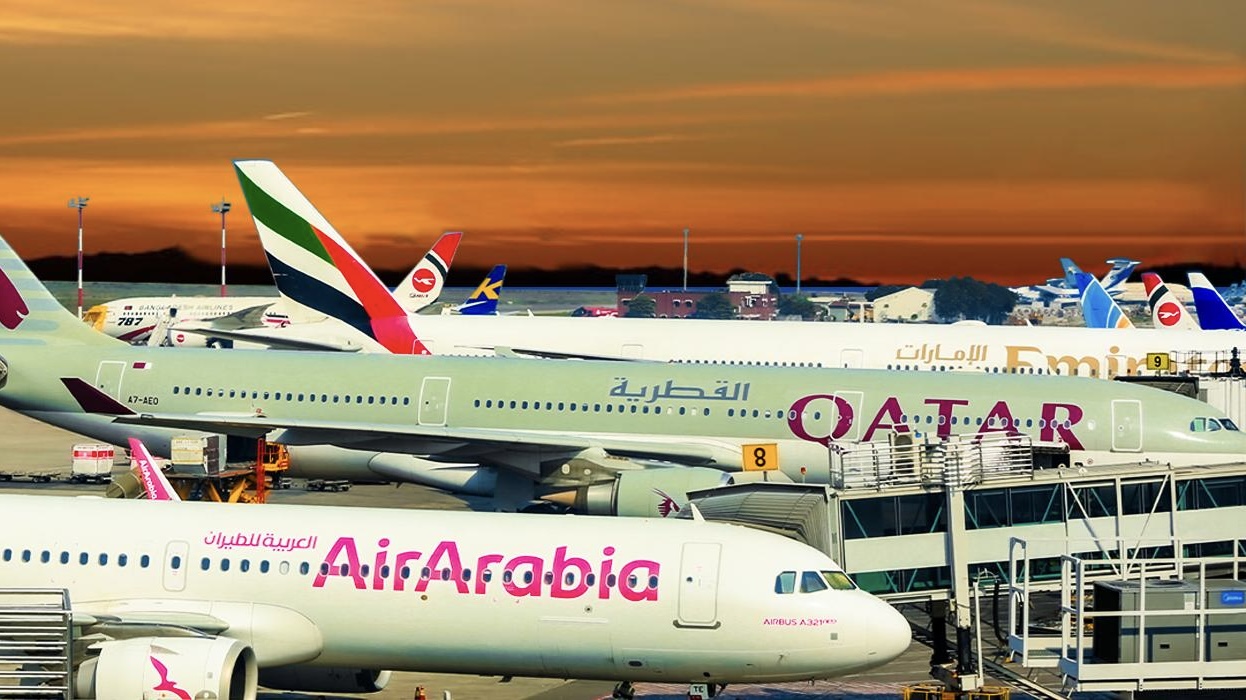
Dhaka: More than 43 percent of Middle East-bound flights from Hazrat Shahjalal International Airport have been cancelled since the outbreak of the Iran war, highlighting the severe impact of regional airspace closures on Bangladesh’s aviation sector.
According to data from airport flight management, a total of 797 flights were cancelled between February 28 and March 27, as several Middle Eastern countries — including Iran, Iraq, Kuwait, the UAE, Bahrain, Qatar and Jordan — shut down their airspace due to escalating security concerns.
During the same period, airlines managed to operate or schedule 1,058 flights to key destinations such as Saudi Arabia, Oman and the United Arab Emirates.
This means that more than 4 out of every 10 flights to the Middle East from Dhaka were grounded during the period.
Peak disruptions early on
The disruption was most severe in the early days of the crisis:
- March 1: 40 cancellations
- March 2: 46 cancellations (highest)
- March 3: 39 cancellations
Although cancellations gradually declined later in March, they still remained significant, averaging around 20–30 flights per day.
Airlines, routes affected
Major regional carriers — including those operating to Kuwait, Qatar, Bahrain and UAE hubs like Dubai and Sharjah — were forced to suspend multiple flights due to restricted airspace and safety risks.
Despite the disruptions, flight operations have shown signs of recovery, with daily operated flights increasing to 40–50 by late March, particularly on routes to Saudi Arabia and Oman where airspace remained more accessible.
Industry insiders say airlines are continuing to adjust routes and schedules, but warn that uncertainty remains high, depending on how the geopolitical situation evolves.
The data underscores the scale of the disruption: while operations continue, the Middle East corridor from Dhaka has been operating at significantly reduced capacity since the conflict began.
K