

British Airways flight attendant sues airline over severe turbulence injury

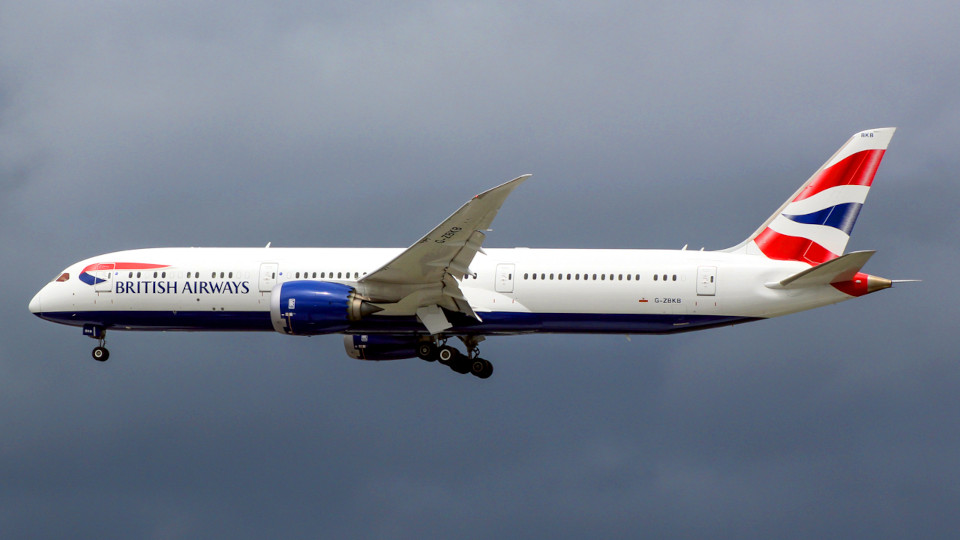
Dhaka: A long-serving British Airways (BA) flight attendant has filed a lawsuit against the UK flag carrier, alleging negligence after she suffered serious injuries during severe turbulence on a long-haul flight from London Heathrow to Mumbai in June 2019.
Laura Lanigan, 56, who had worked with British Airways for nearly 30 years, was injured while on duty as the aircraft prepared for descent into Mumbai. She described the incident as the worst turbulence she had experienced in her career.
According to court testimony, the aircraft encountered a sudden and violent drop, throwing Lanigan into the air. She sustained a broken knee and a dislocated shoulder after hitting the cabin floor, while a drinks canister fell onto her during the incident.
Following the landing in Mumbai, Lanigan was unable to walk and had to be taken off the aircraft in a wheelchair. She has since brought a civil claim against British Airways, seeking compensation of GBP 72,500, equivalent to USD 99,000.
Lanigan and her legal team argued the turbulence-related injuries could have been avoided. They claimed the pilot flew too close to a storm and should have maintained a distance of at least 32 kilometers from a cumulonimbus cloud.
The lawsuit also alleges the flight crew was not instructed to secure themselves despite the developing conditions. Lanigan acknowledged in court that safety standards differ for crew and passengers but maintained that additional precautions should have been taken.
Meteorological experts have provided conflicting testimony during the proceedings. While Lanigan’s representatives argue the aircraft was within a known danger zone, British Airways disputes this assessment.
The airline has stated reasonable safety measures were in place, including illuminated seat belt signs and verbal warnings issued to cabin crew due to what it described as mild to moderate turbulence earlier in the flight.
British Airways further claimed flight deck weather radar and forecast data showed no indication of a storm system in the aircraft’s path, describing the expected conditions as featuring only “fluffy white clouds.”
The case has drawn attention to the broader issue of turbulence-related injuries, which aviation experts say are becoming more frequent as climate change alters atmospheric patterns.
In recent years, turbulence-related incidents have resulted in serious passenger and crew injuries worldwide, and in some cases, even in fatalities. These occurrences have raised concerns over in-flight safety during increasingly unstable weather conditions.
V