

Top News
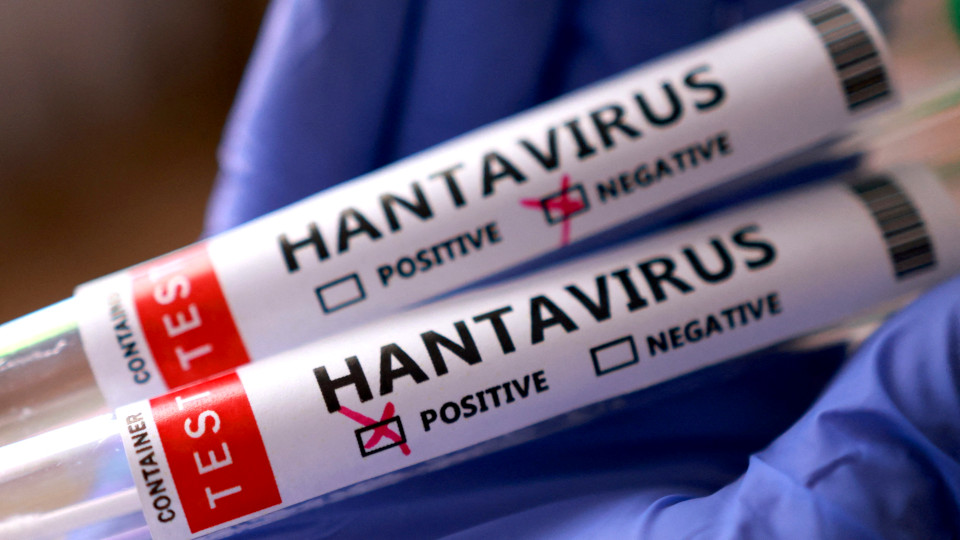
Dhaka: A deadly hantavirus outbreak aboard a small cruise ship has alarmed travelers worldwide and triggered a coordinated international response to contain the spread of the disease.
The outbreak, involving the Andes strain of hantavirus, was first detected on the Dutch-flagged cruise ship MV Hondius, which departed Argentina's Ushuaia on April 1 with 147 people onboard.
As of May 8, a total of eight cases had been identified, including six laboratory-confirmed — all identified as the Andes strain, according to the World Health Organization (WHO). Three individuals, a Dutch couple and a German national, have since died.
Hantavirus is typically transmitted through inhaling aerosolized rodent urine, feces, or saliva. However, the WHO noted that some human-to-human transmission has been reported in previous Andes strain outbreaks.
Despite the fatalities, the WHO currently assesses the risk to the global population as low, and it will continue monitoring the situation and updating its risk assessment as more information becomes available.
The Andes strain has an incubation period ranging from 4 to 42 days. Early symptoms resemble the flu and include fever, headache, muscle aches, back and chest pain, loss of appetite, and difficulty breathing, according to the US Centers for Disease Control and Prevention (CDC).
Major cruise operators say they are monitoring the situation and have protocols in place. The Cruise Lines International Association (CLIA) confirmed that no cases have been reported on any of its member cruise lines and that members are required to maintain programs to detect and prevent onboard illnesses.
Dutch national carrier KLM also confirmed that one of the cruise passengers who later died had briefly been aboard a KLM flight in Johannesburg on April 25. That individual was removed from the flight due to their medical condition, and fellow passengers are being notified by Dutch public health authorities.
Experts noted that cruise ships have not historically faced significant hantavirus risk. Still, they advised travelers planning activities that may increase rodent exposure to consult a doctor about infection risks beforehand.
Hantavirus is not a completely new threat, particularly in the United States. Between 1993 and 2023, the CDC recorded a total of 890 cases, including 859 cases of hantavirus pulmonary syndrome (HPS), with a fatality rate of 35%.
For travelers heading to South America, the CDC recommends avoiding areas infested with rodents and refraining from close contact — including kissing, sexual contact, and sharing food, drinks, or smoking devices — with anyone potentially infected.
V
Share this post
Also on Bangladesh Monitor