
Top News
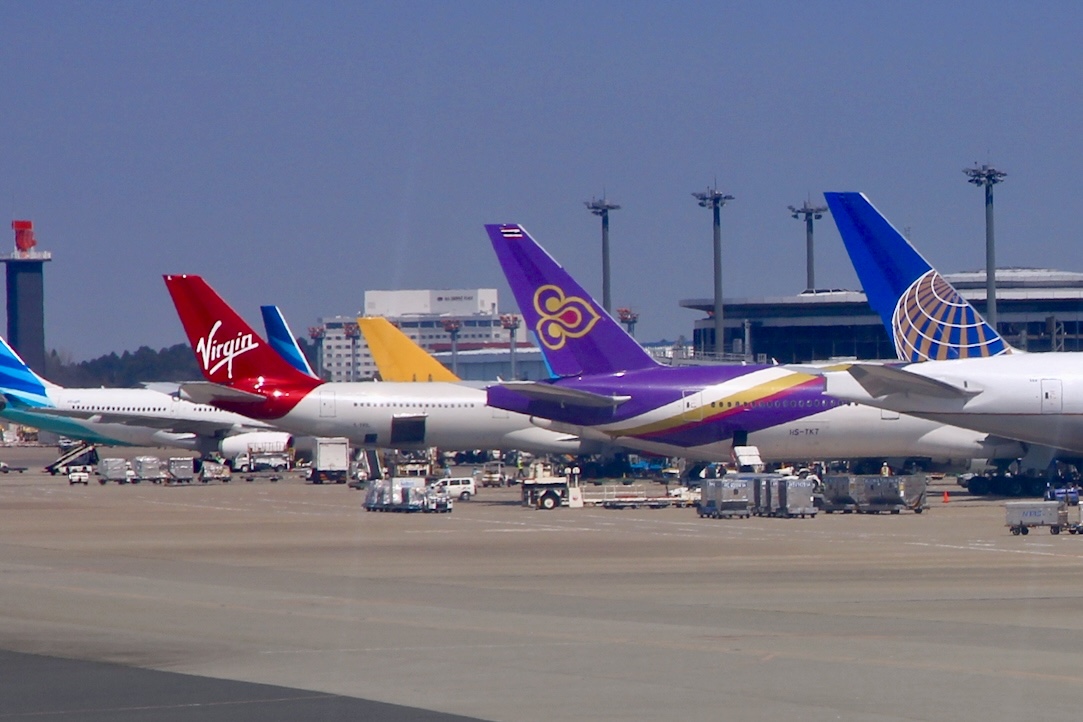
Dhaka: Ticket prices on major routes between Asia and Europe have surged by as much as 560 percent this month, with expectations that they will remain high throughout the summer and into the fall.
This surge is attributed to the disruptions caused by the war that are impacting air traffic across the Arabian Gulf, one of the world’s busiest transit hubs, according to Alton Aviation Consultancy.
Asia-Europe ticket prices skyrocket
Average ticket prices for June on seven of the most popular Asia-Pacific and Europe routes have risen by approximately 70 percent compared to last year, according to an analysis by Alton Aviation Consultancy based on data from Cirium and online travel agencies.
The average price of a ticket from Sydney to London has reached over USD 1,500, nearly double what it was a year ago. These prices include direct flights, flights with one-way connections, and flights transiting through Gulf airports.
There are no signs of relief anytime soon, as prices are expected to remain about 30 percent higher than last year until October.
This pressure is equally evident in the opposite direction, with prices for flights from Europe to Asia skyrocketing. June fares were up by as much as 79 percent year-on-year, and the cost of some long-haul flights is nearly three times what it was a year ago.
These disruptions, which began on Feb. 28 following the US and Israeli attack on Iran, have led to the cancellation of approximately 70,000 flights, exposing the fragility of the global aviation network. Airspace closures, reduced capacity at Gulf airports, and soaring fuel costs have all contributed to the further price increases, with prices expected to remain elevated for several months.
Prices will remain high after the war
Demand has already begun to decline under the weight of uncertainty and high prices. Summer bookings from Europe to the US are down about 15 percent compared to last year, while traffic in the opposite direction is down 11 percent, according to Cirium. Bookings from Asia to Europe are also down 4.4 percent, including flights transiting through the Middle East.
Brian Terry, Managing Director at Alton Aviation Consultancy, said that pressure on ticket prices will persist even if the conflict ends soon.
He added that “any price reductions could take up to three months to travel through the jet fuel supply chain,” and continued, “What we are seeing goes beyond a temporary price shock. Even as the immediate disruption subsides, longer routes, limited capacity, and high fuel costs will keep upward pressure on prices for an extended period.”
Prices soar by up to 560pc
Flights between Asia and Europe have been the hardest hit, as a significant portion of them pass through major Middle Eastern airports such as Dubai, Abu Dhabi, and Doha. This corridor typically handles about a third of the annual air traffic between the two continents, according to Roland Berger data.
Disruptions to this corridor have exacerbated the pressure on prices. The average ticket price from Hong Kong to London Heathrow reached USD 3,318 as of March 23, a 560 percent increase compared to the previous month, according to Alton Aviation Consultancy.
Flight prices from Bangkok to Frankfurt also jumped by 505 percent to USD 2,870, while prices on the “Kangaroo Route” between Australia and the UK soared, with prices for flights from Sydney to London increasing by 429 percent during this period.
Fuel prices drive up air travel costs
Since the outbreak of war, prices and demand on these routes have continued to rise, despite European and Asian airlines racing to increase their operating capacity. Nearly a month into the conflict, airlines are still struggling to cope, with soaring fuel costs adding further strain, driven in part by restrictions on energy shipments through the Strait of Hormuz.
Airlines have begun passing these costs on to passengers, as jet fuel prices, which account for about a third of operating expenses, have risen in tandem with oil prices, raising concerns about supply shortages.
Airlines such as Air France-KLM, Cathay Pacific Airways, and Air New Zealand have all increased their fuel surcharges this month.
“There’s a lot of uncertainty right now with this widespread travel disruption,” says Hanming Lee, an independent travel analyst. “If passengers see flights being canceled, delayed, or disrupted, they’ll reconsider their travel plans and how they plan to travel.”
K
Share this post
Also on Bangladesh Monitor