
Top News
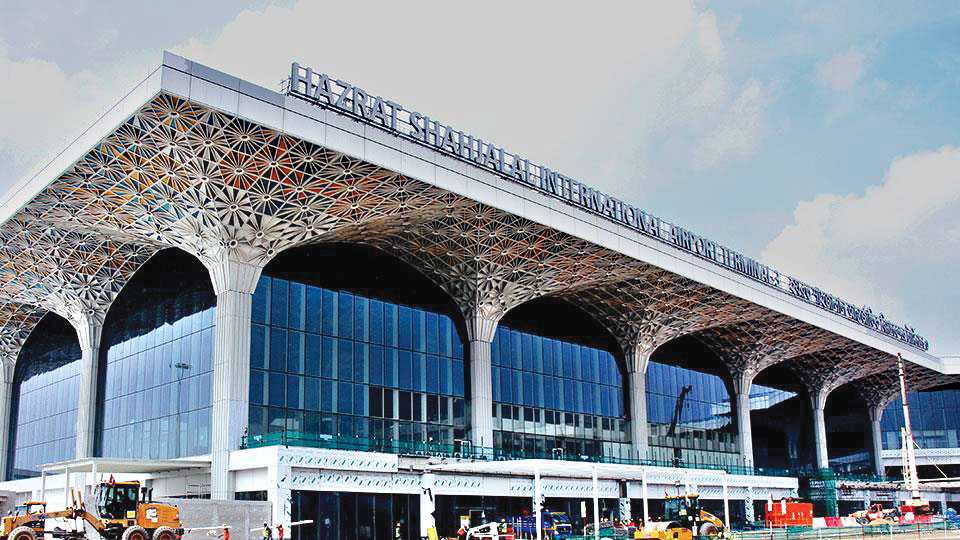
Dhaka : The long-delayed third terminal of Hazrat Shahjalal International Airport will not be opened during the tenure of the interim government, effectively pushing the launch of Bangladesh's most ambitious aviation infrastructure project into the hands of the next elected administration. The an-nouncement has deepened uncertainty around the future of the BDT 21,000-crore facility, even as construction is nearly complete and the country has begun facing repayment obligations on the foreign loan used to build it.
The confirmation came on January 5 from Sheikh Bashir Uddin, Adviser to the Ministry of Civil Aviation and Tourism, at a press conference at the Secretariat. Responding to questions on whether the terminal could be inaugurated under the current government, Bashir said unequivocally that it would not be possible.
"No, we will not be able to open it during this government's term. We made every possible effort to make the third terminal operational," he said. "I personally met with the Japanese vice minister and held negotiations. We tried our best, but our efforts were probably not successful."
He added that the interim government is now focused on keeping the necessary procedural mechanisms in place so that the next government can take a final decision on how to proceed. "The next government will take a decision on this matter," he said.
The statement effectively confirmed what industry insiders had been warning for weeks: negotiations between the Civil Aviation Authority of Bangladesh (CAAB) and the Japanese consortium selected to operate the terminal have collapsed, leaving the project without an operator and without a clear path to opening.
According to officials directly involved in the process, the most recent round of talks - a two-day negotiation held on November 24-25 - ended without any progress. Despite multiple rounds of discussions over several months, both sides failed to resolve fundamental disagreements over revenue sharing, control of key income streams, and the overall income-expenditure model for running the terminal.
At the heart of the dispute is how revenues from passenger service charges, aeronautical fees, and commercial activities would be divided between CAAB and the operator. Representatives of the Japanese consortium had maintained that CAAB is unwilling to share revenue from major income sources and is instead insisting on an "India-style income-expenditure model," under which the authority retains most revenues while the operator is paid on a cost-plus or management-fee basis.
The consortium argued that such a model is incompatible with its proposal to run the terminal as an "international-standard" facility, where the operator takes on greater commercial and operational risk in exchange for a defined share of revenues. CAAB, on the other hand, resisted relinquishing control over certain high-value revenue streams, citing concerns about long-term public interest and regulatory authority.
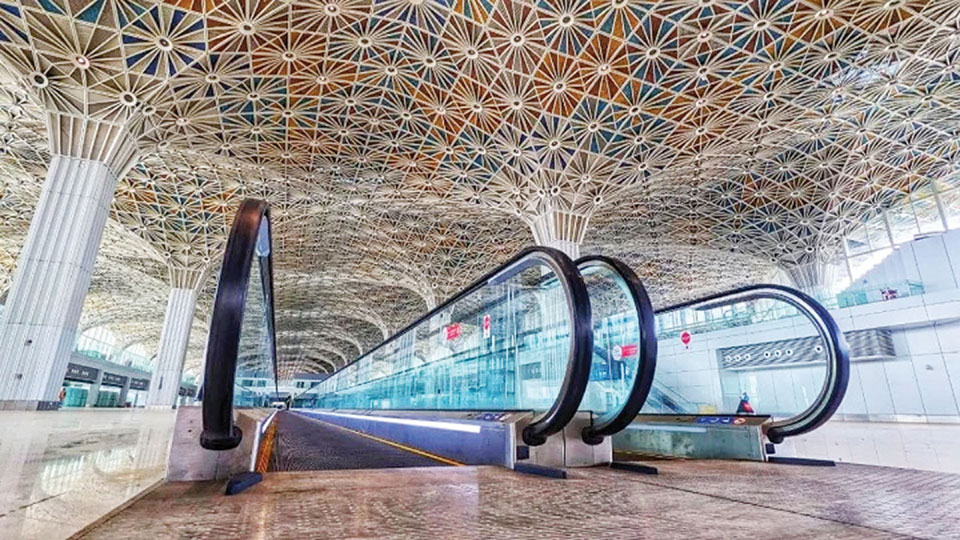
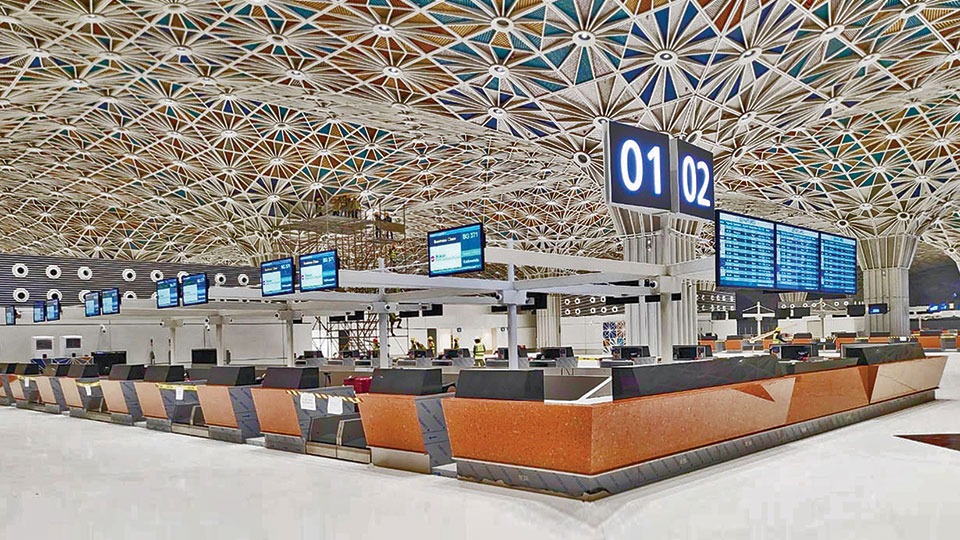
The deadlock has left the third terminal in a state of limbo. Although the facility was soft-launched in October 2023 and construction is now virtually complete, it cannot become fully operational without a signed agreement with an operator - a prerequisite for starting passenger and commercial services.
Originally, the terminal was expected to be fully operational by December 2024. That timeline has slipped repeatedly due to delays in importing equipment, frequent changes in leadership at CAAB, and broader political transitions. At one stage, officials had floated December 2025 as a revised target, but CAAB has now acknowledged that it cannot commit to any firm opening date.
The implications of the delay are significant. Built with financing from the Japan International Cooperation Agency (JICA), the third terminal represents one of Bangladesh's largest infrastructure investments in the aviation sector. Industry analysts noted that the country is already facing mounting pressure to begin repaying the roughly BDT 15,000 crore loan associated with the project, even as the terminal generates no operational revenue.
There are also growing concerns about rising maintenance and replacement costs. A substantial portion of the sophisticated equipment installed at the terminal - including baggage handling systems, security infrastructure, and passenger processing technology - is nearing or has already passed its warranty period. Each month of delay increases the risk of additional expenditure simply to keep the idle facility in working condition.
Aviation experts warned that prolonged uncertainty could also erode the project's strategic value. The third terminal is designed to triple Hazrat Shahjalal International Airport's annual passenger handling capacity and significantly expand cargo operations, positioning Dhaka as a stronger regional aviation hub. Without it, congestion at the existing terminals is expected to worsen as passenger numbers recover and grow.
With negotiations with the Japanese consortium effectively stalled, government officials are now weighing alternative options, including reopening an international tender to select a new operator. CAAB reportedly informed the Ministry of Civil Aviation and Tourism as well as the Public-Private Partnership (PPP) Authority about the breakdown in talks, though no formal decision has yet been announced.
However, restarting the tender process could take years, particularly if a new operator seeks to renegotiate terms or revisit elements of the existing business model. Analysts cautioned that any future bidder may also factor in the risks highlighted by the current impasse, potentially demanding more favorable conditions.
For now, the interim government's position is one of limited scope. As Adviser Bashir made clear, no major breakthrough is expected before the current administration's tenure ends.
Also on Bangladesh Monitor