

Pakistan Int'l Airlines' transformation sparks progress, political storm

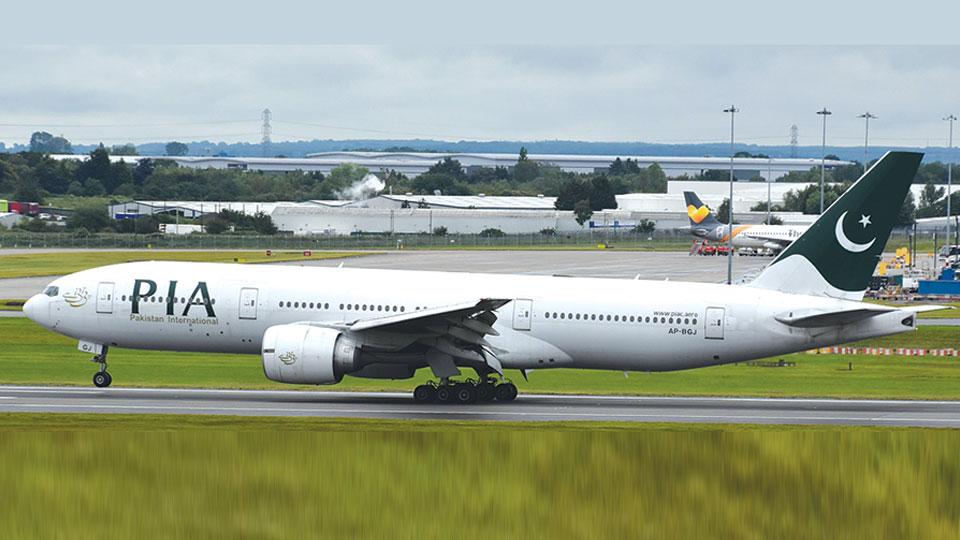
Dhaka : Pakistan International Airlines (PIA), the country's historic flag carrier, is undergoing one of the most significant transitions in its 70-year history. In a highly publicized auction, a consortium led by Arif Habib Limited acquired 75 percent of PIA for about USD 482 million, marking a long-delayed step in the government's broader privatization drive under an International Monetary Fund-backed reform program. The deal was broadcast live, and plans are in place for the new owners to take operational control by April 2026.
The sale follows decades of financial difficulties, mismanagement, and operational setbacks that saw PIA shrink from a global aviation leader to a deeply indebted national carrier.
Recent operational improvements, including the resumption of direct long-haul flights to the UK and EU after safety bans were lifted, made the airline more attractive to buyers.
Financially, the airline has also shown signs of recovery. For the year 2024, PIA reported a nearly 43 percent growth in profits, significantly reducing operational losses and signaling greater financial stability as reforms continue.
However, the privatization has ignited political controversy. Opposition politicians and parties such as Pakistan Tehreek-e-Insaf (PTI) and Jamaat-e-Islami (JI) argue the sale undermines parliamentary oversight and national interests, asserting that a strategic asset is being offloaded without a clear public mandate.
Critics also question the structure of the deal, noting that most of the sale amount is earmarked as reinvestment into the airline rather than immediate cash for the government.
Adding to the debate, Fauji Fertilizer Company (FFC) - a military-linked entity - joined the winning consortium, prompting concerns about expanding military influence in a key economic sector. Supporters counter that FFC's participation could provide stability and investor confidence.
As PIA embarks on this new chapter, the government views the privatization as essential to stemming losses and revitalizing the airline, while political opponents see it as a contentious shift in the stewardship of a national symbol.