
Top News
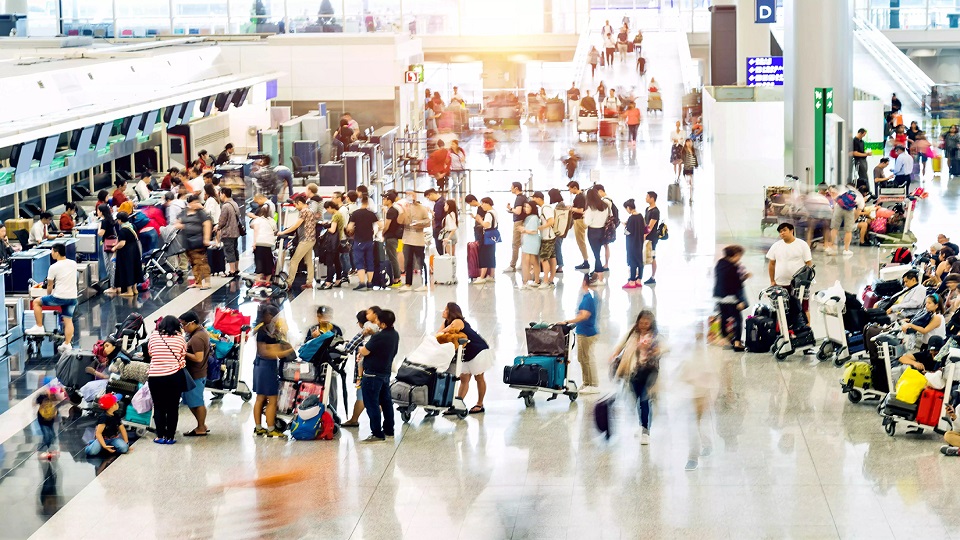
Bangkok : The correlation between ending travel restrictions and airline recovery in Asia-Pacific grows more obvious each month. In September, the region's airlines carried 11.7 million passengers, compared to 1.4 million for the same period last year.
The Association of Asia Pacific Airlines (AAPA) released the figures on October 26, and as heartening as they are, passenger volumes are still only at 39 per cent of 2019 levels.
Returning to the September operating results, airlines have managed capacity extremely well, lifting passenger load factors to 78 per cent, compared to 33.4 per cent in September 2021. While revenue passenger kilometers (RPKs) rose by 575 per cent from last year, available seat kilometers (ASKs) were constrained to an increase of 189.6 per cent, driving the load factor boost. For the nine months from January to September, the load factor stands at 69.6 per cent, more than double for the same period in 2021. The 78 per cent load factor in September is just 0.6 per cent below pre-pandemic 2019 levels, reflecting the disciplined approach airlines are taking in matching surging demand to available capacity.
AAPA Director General Subhas Menon described September as an "encouraging recovery in international travel" and a sign that "the resilience of the industry is shining through."
AAPA comprises its dataset from 40 Asia-Pacific based carriers, including major Chinese airlines China Eastern, Air China, China Southern and Juneyao Air. Assuming China reopens travel at some point, the regional traffic will bounce back well beyond pre-COVID levels, which is good news for carriers such as Singapore Airlines, Cathay Pacific, Japan Airlines, Korean Air and Thai Airways.
Also on Bangladesh Monitor