

Top News
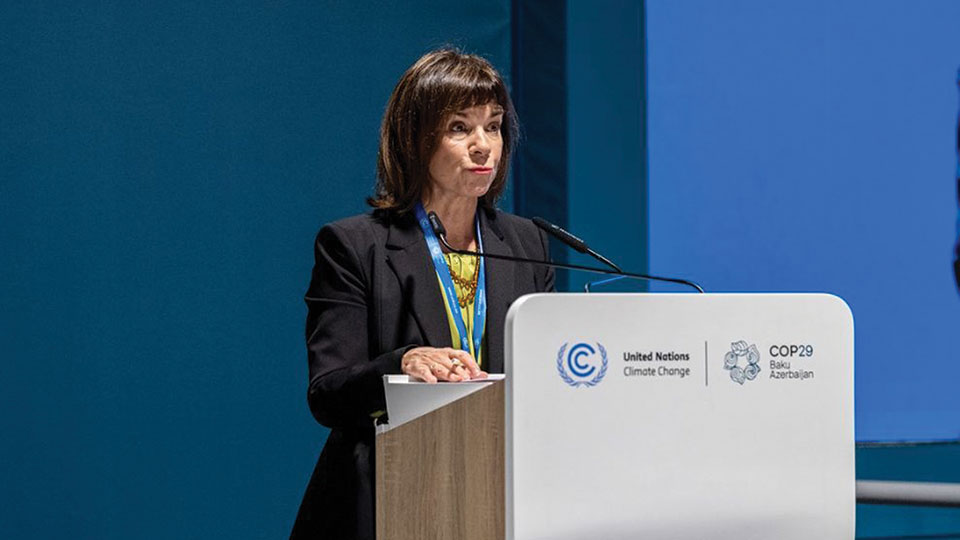
Julia Simpson, President and CEO, WTTC, addressing COP29 in Baku on November 21
Baku : Worldwide coastal and marine tourism will require annual investments of USD 30 billion for direct emissions reduction, with total needs reaching as high as USD 65 billion when including climate adaptation efforts, said World Travel and Tourism Council.
Addressing world leaders during Ocean Action Day at COP29 in Baku on November 21, WTTC called for urgent climate investment in coastal and marine tourism to protect it from escalating climate risks.
In 2023, coastal and marine tourism directly generated USD 1.5 trillion and supported 52 million jobs globally. It also accounted for approximately 50 per cent of all tourists' spending globally, generating USD 820 billion in direct tax revenue.
Despite its economic importance, the environmental footprint from coastal and marine tourism calls for rapid mitigation and adaptation measures.
According to them, coastal and marine tourism directly contributed 0.8 per cent of global GHG emissions in 2023, equating to 390 million tonnes of CO?.
Coastal destinations worldwide, especially those in vulnerable regions, face mounting threats from climate change, including rising sea levels, extreme weather, and coastal erosion.
Small Island Developing States (SIDS) and Pacific coastal areas in particular, are under severe strain, with rising climate-related displacement and economic losses posing urgent challenges. This makes clear that investments in climate action are not just essential but urgent.
The Ocean Breakthroughs are transformative pathways covering five key ocean sectors: Marine Conservation, Shipping, Ocean Renewable Energy, Aquatic Food and Coastal Tourism.
Also on Bangladesh Monitor