
Breaking News
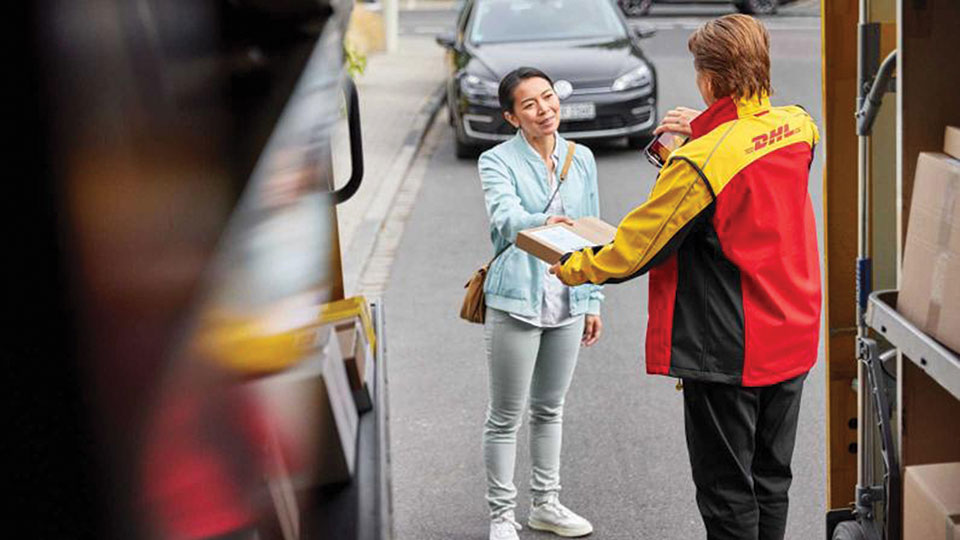
Bonn : As the peak holiday shopping season concludes, the global logistics industry has entered "Returns Season." The returns segment of the e-commerce supply chain plays an increasingly critical role. In the past few years, returns have moved from a back-office cost center to a front-line strategic differentiator.
Drawing on findings from the 2025 E-Commerce Trends Reports and recent operational data, the winners in global commerce are no longer those trying to eliminate returns, but those mastering the value cycle.
This focus is a core pillar of DHL's Strategy 2030, which draws upon the Group's global network and diverse capabilities to offer comprehensive, efficient, and sustainable e-commerce logistics solutions in a growing digital market. Because returns are a part of this and now an unavoidable consumer demand, the industry focus has shifted to who can handle them most efficiently and sustainably.
Returns in fashion are no longer a footnote; in certain sectors, they are the business model. The consumer habit of ordering multiple sizes or colors (known as 'bracketing') is driving average return rates to above 50 percent. For high-sensitivity categories, such as women's dresses, return rates can hit almost 90 percent, according to a report about bracketing from IHL Group.
When returns are this frequent, a brand's bottom line and sustainability profile are heavily influenced by the logistic provider's infrastructure. DHL addresses this through a massive commitment to more sustainable operations, utilizing 42,000 electric vehicles globally and a dense network of round about 170,000 access points.
Also on Bangladesh Monitor