
Breaking News
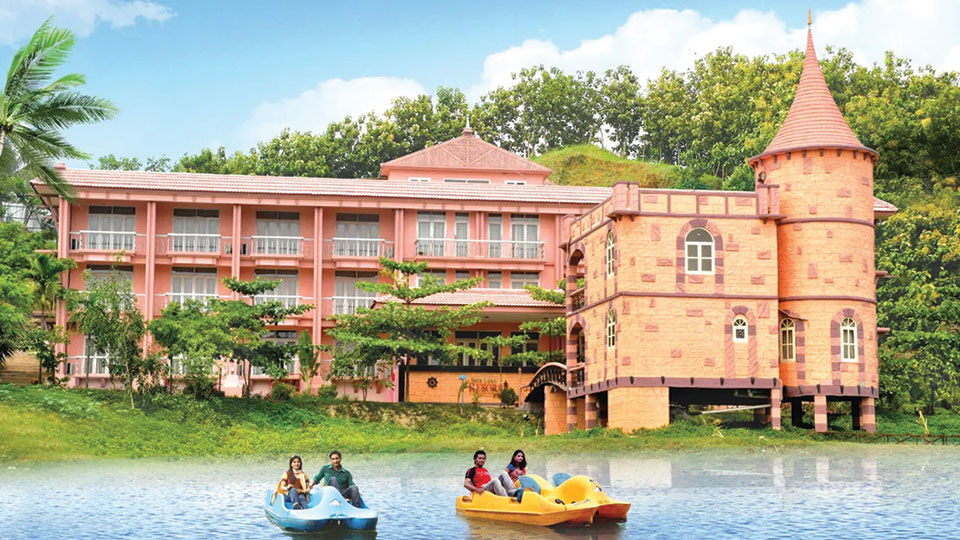
Dhaka : Bangladesh's hospitality industry holds strong long-term growth potential, driven by the country's rich natural beauty, cultural heritage, and rising domestic tourism, but structural challenges continue to hinder its full development, said Md Abdul Halim Polash, AGM - Sales and Marketing of Concord Entertainment Company Ltd, during an interview with The Bangladesh Monitor.
Sharing insights from his experience managing the Foy's Lake property in Chattogram, Polash said Bangladesh remains an underexplored destination despite having a diverse range of attractions.
"From Cox's Bazar and Chattogram's Foy's Lake to the Hill Tracts, the Sundarbans, Sylhet's scenic landscapes, and our historical sites, Bangladesh has everything needed to attract both domestic and international tourists," he said. "What we lack is coordinated development, connectivity, and consistent service standards."
Polash noted that domestic tourism has seen steady growth in recent years, fueled by a growing middle class, increasing disposable incomes, and a stronger interest in leisure travel within the country.
"This rise in local travel is creating demand for better hotels, restaurants, and tourism services," he explained. "Middle-class families and group travelers are now actively seeking comfortable, accessible, and affordable hospitality options."
According to Polash, investment in workforce training, technology adoption, and professional development could significantly improve service quality and operational efficiency across the sector.
"A strong hospitality culture is essential," he said. "This includes courteous behavior at tourist sites, professional hotel and restaurant services, and a welcoming environment that makes visitors feel safe and respected."
However, he cautioned that the industry continues to face major challenges. Political instability and periodic unrest, he said, create uncertainty and discourage both tourists and investors.
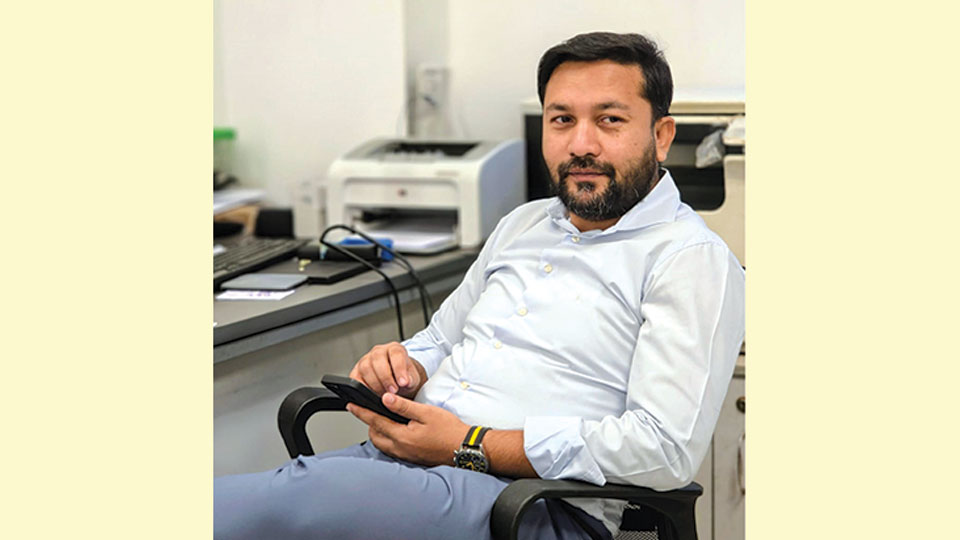
Abdul Halim Polash
"When political or economic conditions become unstable, tourist flows drop immediately," Polash noted. "This slows down infrastructure development and long-term planning."
He also highlighted skill gaps and the lack of hospitality-focused training institutions as major constraints on service quality.
"In many cases, employees are willing but not properly trained. Structured training programs are urgently needed to build a skilled workforce," he said.
Infrastructure weaknesses remain another critical issue. Poor access roads, limited connectivity, and inadequate safety and hygiene measures often undermine the overall tourist experience, Polash added.

"Travel within the country is still cumbersome," he said. "There are no structured air routes between key destinations such as Chattogram and Khulna, or Khulna and Cox's Bazar. Popular destinations like Bandarban, Khagrachhari, Kaptai, and Rangamati remain difficult to access."
He also pointed to cultural and behavioral gaps, stressing the need for stronger community engagement and professional service attitudes to create a family-friendly tourism environment.
"Hospitality is not just about infrastructure; it's about mindset," Polash said. "Local communities and service providers must be part of a broader culture of professionalism and respect for visitors."
Despite the challenges, Polash remains optimistic about the sector's future.
"Bangladesh's hospitality industry has immense promise," he concluded. "If we can address political and economic uncertainty, improve connectivity and infrastructure, invest in training, and build a professional hospitality culture, the sector can become a major contributor to national economic growth and employment."
Also on Bangladesh Monitor