

Top News
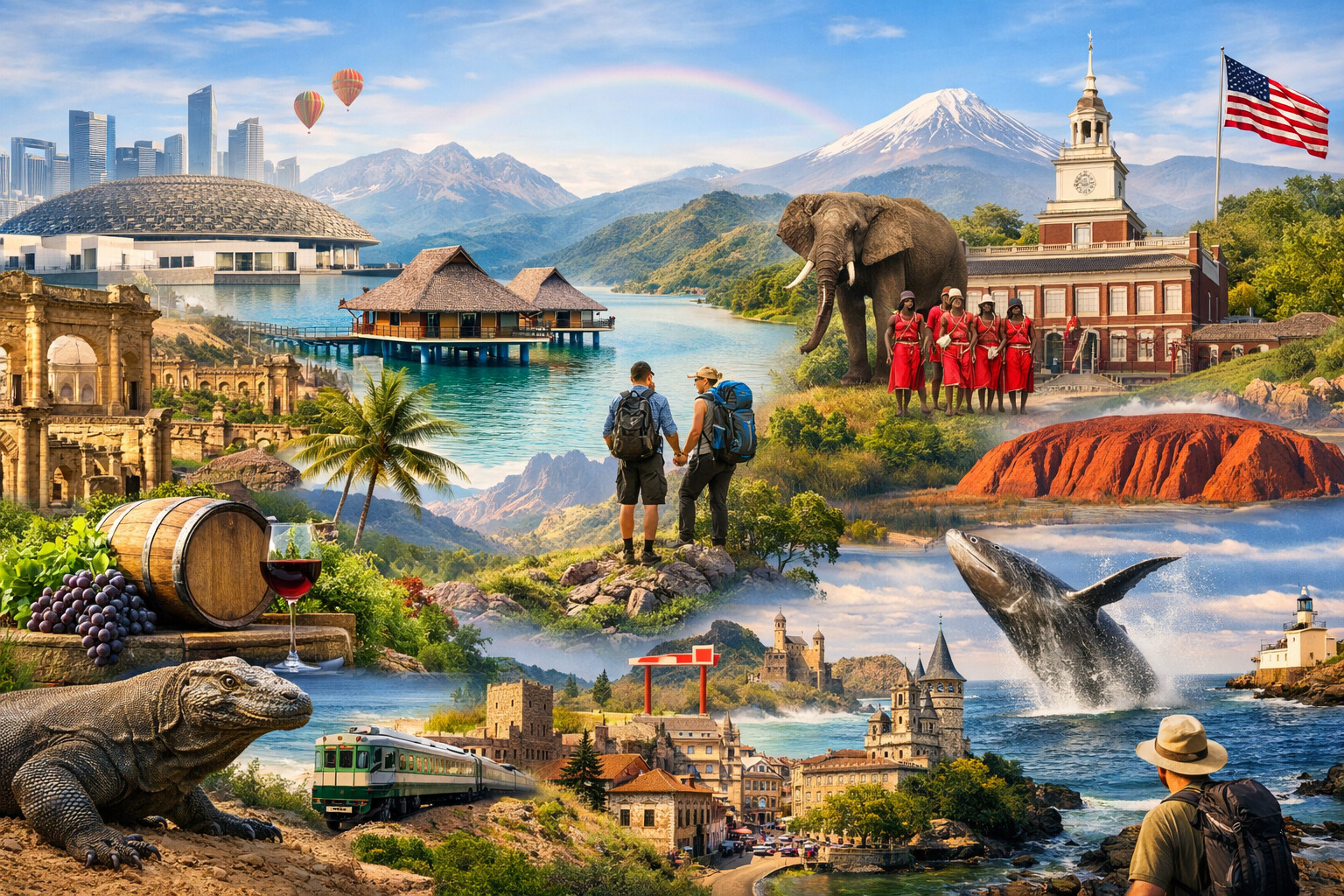
Dhaka: From remote Polynesian islands to reborn cultural capitals, 2026 is shaping up to be a year of more meaningful travel. This list highlights destinations that pair unforgettable experiences with sustainability, community benefit, and cultural preservation. These places are welcoming visitors while ensuring tourism leaves a positive legacy.
Abu Dhabi, UAE
Why go: Major museums and theme-park expansions
 Visitors can now explore vast digital art space TeamLab Phenomena in Abu Dhabi
Abu Dhabi enters a defining cultural moment with new openings in its Saadiyat Cultural District. Alongside the Louvre Abu Dhabi, visitors can now explore the vast digital art space TeamLab Phenomena, the Zayed National Museum and the Natural History Museum Abu Dhabi. Meanwhile, Yas Island continues to grow as a global entertainment hub, with new attractions at Warner Bros World and long-term plans for Disneyland.
Algeria
Why go: Ancient ruins without the crowds
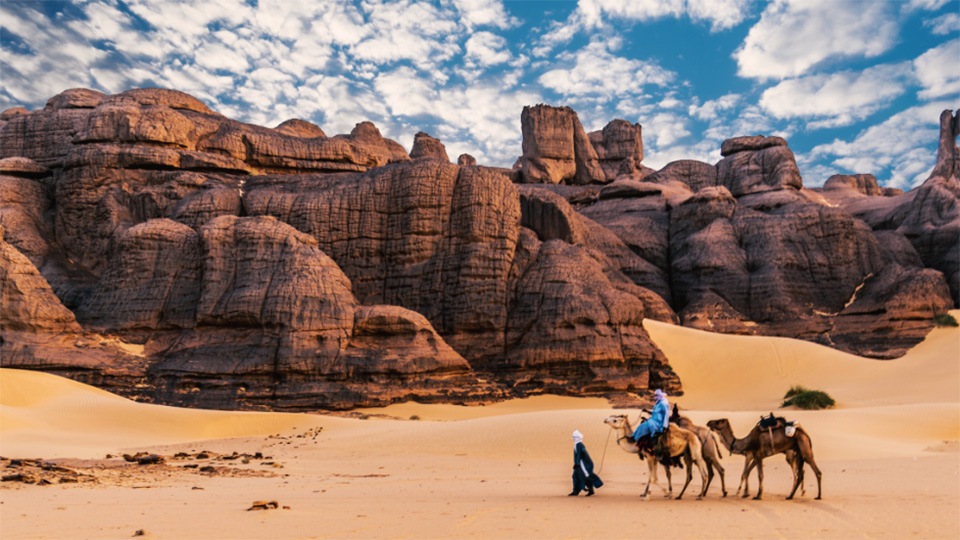 Algeria’s desert oasis town Djanet inhabited for over 500 years
Often overlooked, Algeria is opening up to travelers with easier visa policies and new tours. Visitors can explore Roman sites like Timgad and Djémila, historic cities such as Algiers and Constantine, and the vast Sahara desert — all while supporting cultural preservation and local artisans.
Colchagua Valley, Chile
Why go: Wine, food, and rural traditions
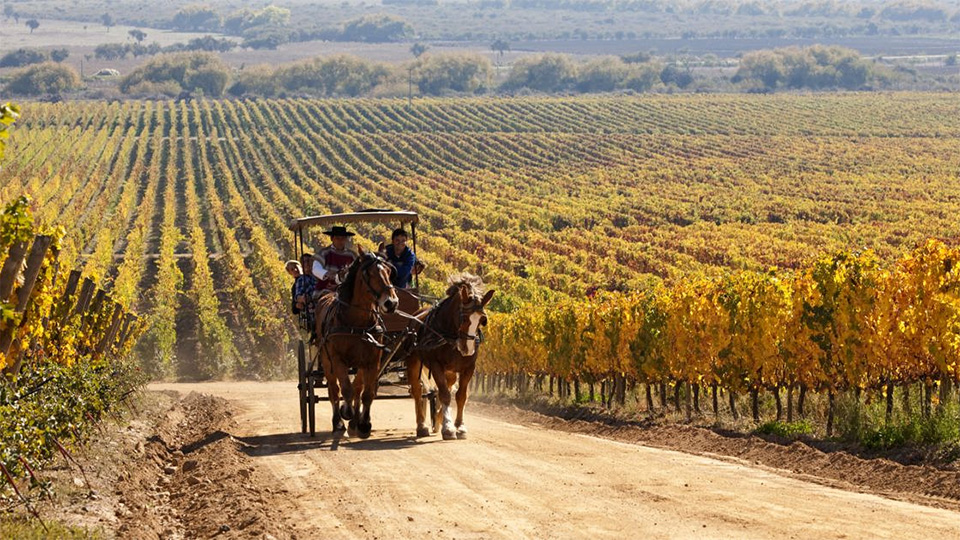 Chile's Ruta del Vino spans five valleys in country’s center
South of Santiago, this wine-rich valley blends vineyard stays, acclaimed wineries and traditional Chilean cowboy culture. Beyond tastings, travelers can enjoy stargazing, historic villages and farm-to-table cuisine in one of South America’s most inviting wine regions.
Cook Islands
Why go: A low-key Polynesian paradise
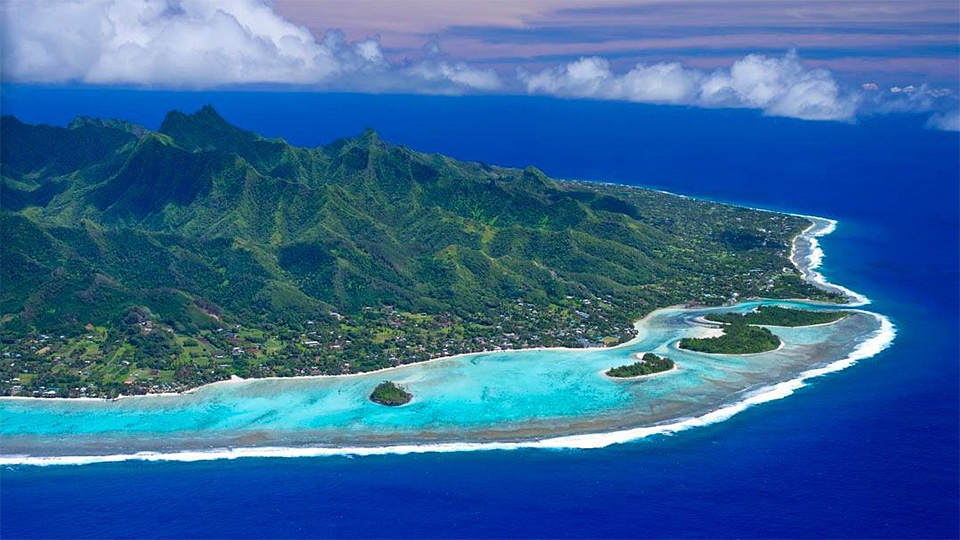 Visitors can enjoy turquoise lagoons, untouched outer islands, and one of the world’s largest marine parks in Cook Islands
With new direct flights from Australia and the US, the Cook Islands are easier to reach than ever. Visitors can enjoy turquoise lagoons, untouched outer islands and strong environmental protections, including one of the world’s largest marine parks.
Costa Rica (Osa Peninsula)
Why go: Wildlife and wellness
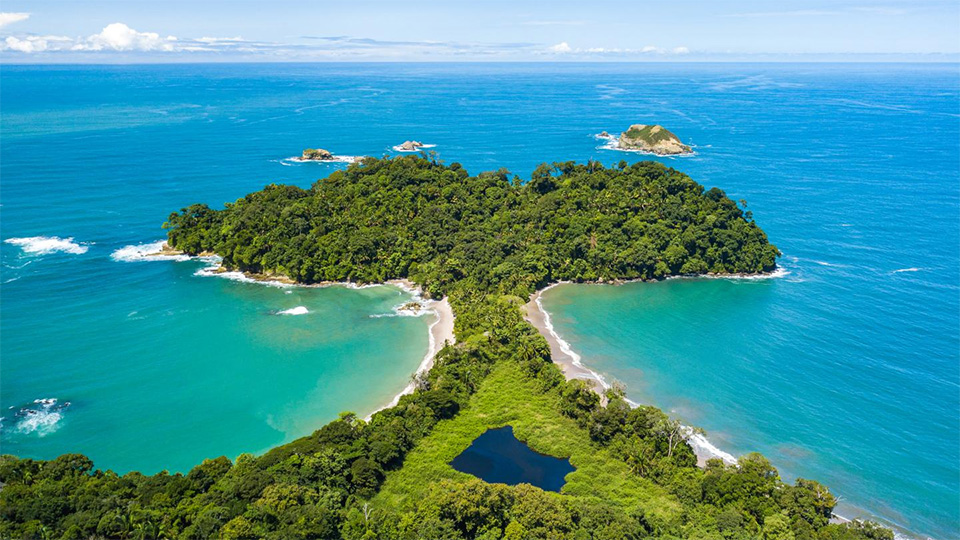 Costa Rica strengthening conservation on both land and sea with focus on jaguar habitats and shark protections
Home to extraordinary biodiversity, the Osa Peninsula offers rainforest hikes, surfing, yoga retreats and wildlife encounters. New conservation projects and eco-lodges make this a model destination for regenerative tourism.
Hebrides, Scotland
Why go: Whisky, history and wild beaches
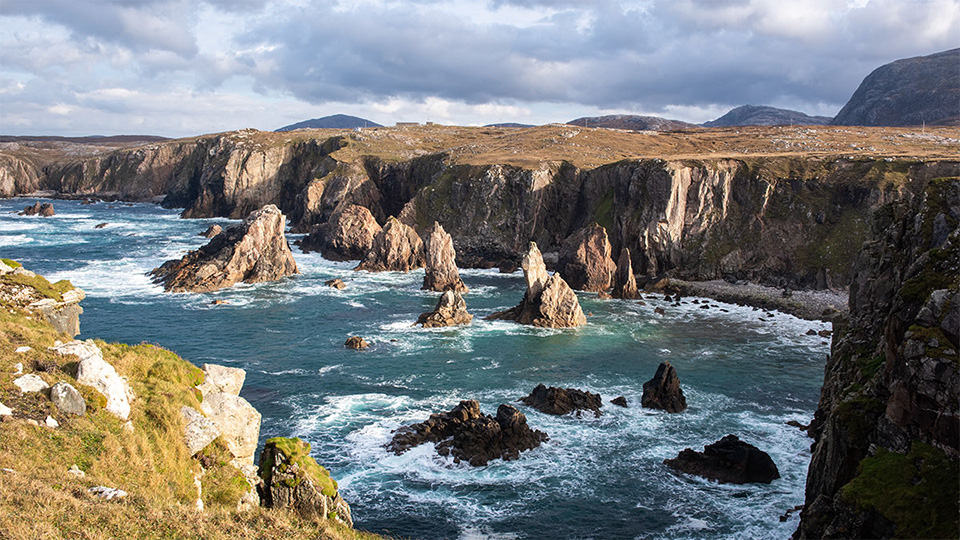 Isle of Lewis, largest island in Outer Hebrides archipelago
Scotland’s Atlantic islands combine ancient stone circles, white-sand beaches and a booming whisky scene. New distilleries, visitor centers, and community-led festivals make 2026 a standout year to visit.
Ishikawa, Japan
Why go: Supporting recovery through travel
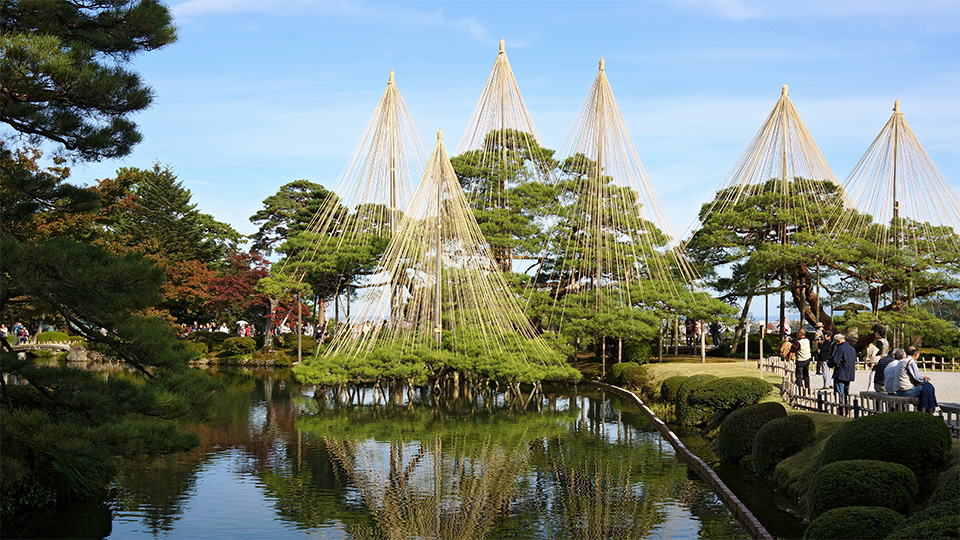 Ishikawa is 2.5-hour bullet train ride from Tokyo
After a devastating earthquake, communities in Ishikawa are encouraging visitors to return. From Kanazawa’s traditional crafts to Noto’s family-run inns and renowned sake breweries, tourism plays a vital role in preserving local culture.
Komodo Islands, Indonesia
Why go: Dragons, reefs and conservation
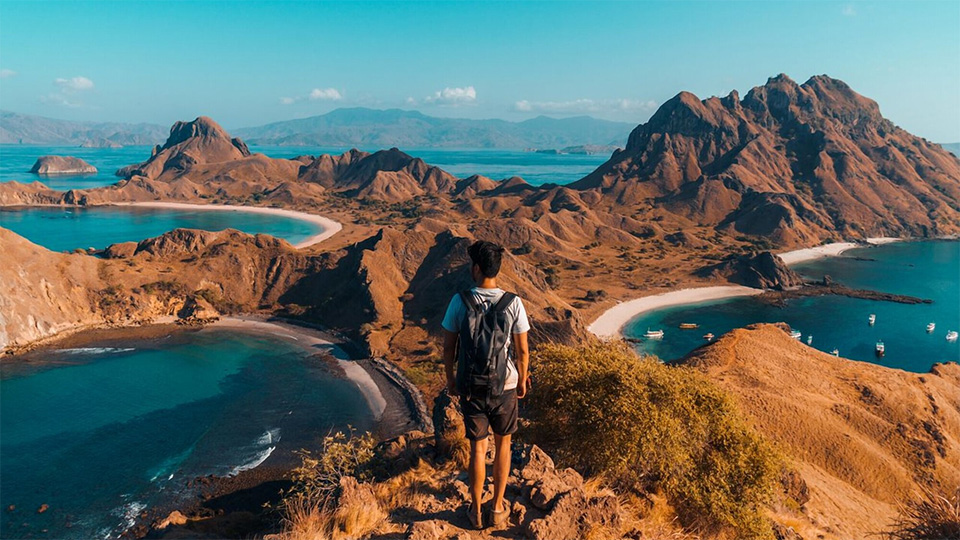 Komodo Islands home to Komodo dragon, largest lizard on earth
Famous for Komodo dragons and rich marine life, the national park is strengthening visitor limits and conservation efforts in 2026. New flight routes improve access while ensuring tourism supports habitat protection.
Loreto, Mexico
Why go: Marine wildlife and community-led travel
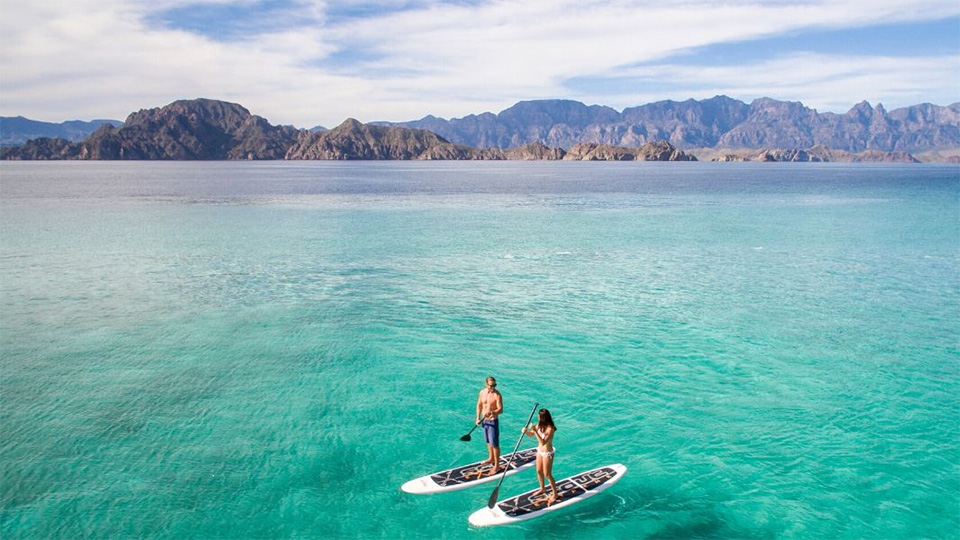 Loreto developing two new national parks
Set on the Sea of Cortez, Loreto blends desert landscapes with whale watching, kayaking and conservation projects. Local guides, many former fishermen, now lead sustainable wildlife experiences.
Montenegro
Why go: Dramatic landscapes beyond the coast
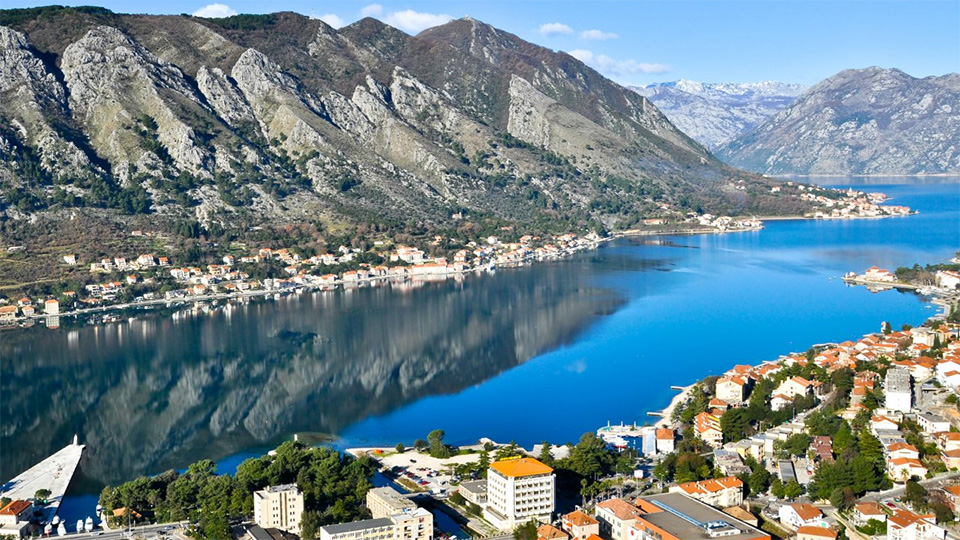 Bay of Kotor is UNESCO World Heritage site and often referred to as Europe's southernmost fjord
While the Bay of Kotor draws attention, Montenegro’s interior offers mountains, lakes and long-distance hiking routes like the Peaks of the Balkans trail, designed to support remote communities.
Oregon Coast, USA
Why go: Accessible, wild and community-focused
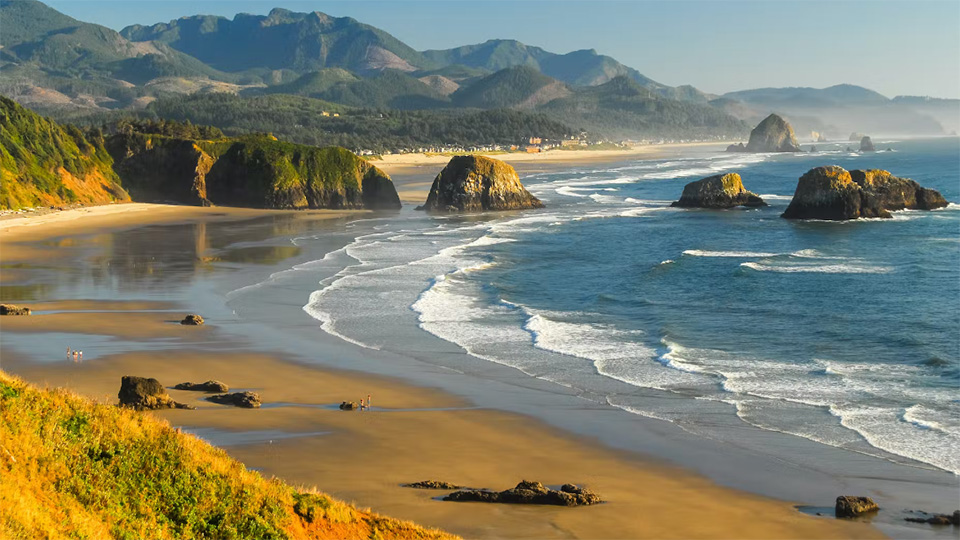 Oregon Coast embracing accessibility with sand-friendly wheelchairs and program that highlights inclusive lodging
This entire public coastline offers epic road trips, cycling routes and whale watching. New transport options, EV infrastructure and accessibility initiatives make it easier to explore responsibly.
Oulu, Finland
Why go: Arctic creativity
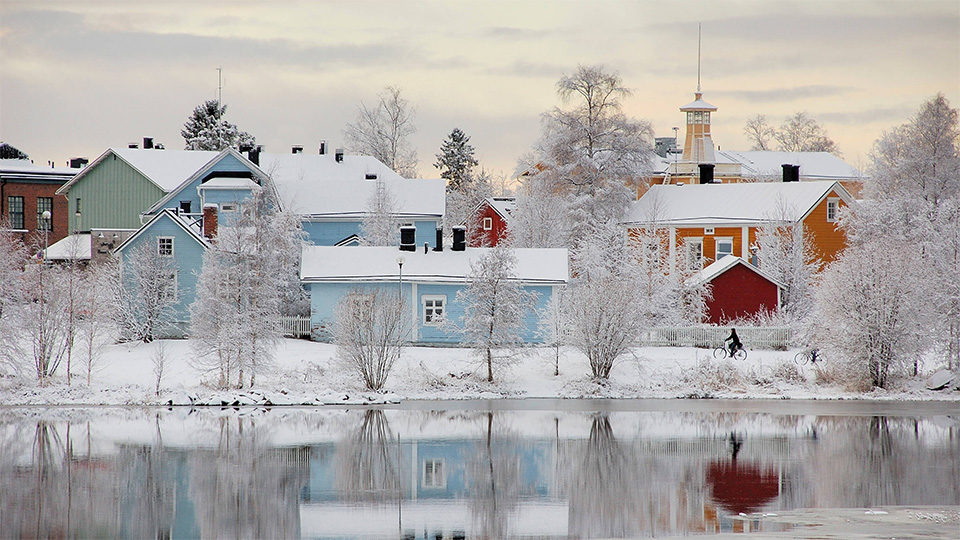 Winter cycling, a draw for Finland's new Capital of Culture
As a 2026 European Capital of Culture, Oulu hosts year-long art, food and climate-focused events. Visitors can combine cutting-edge culture with saunas, islands and northern landscapes.
Philadelphia, USA
Why go: America’s 250th anniversary
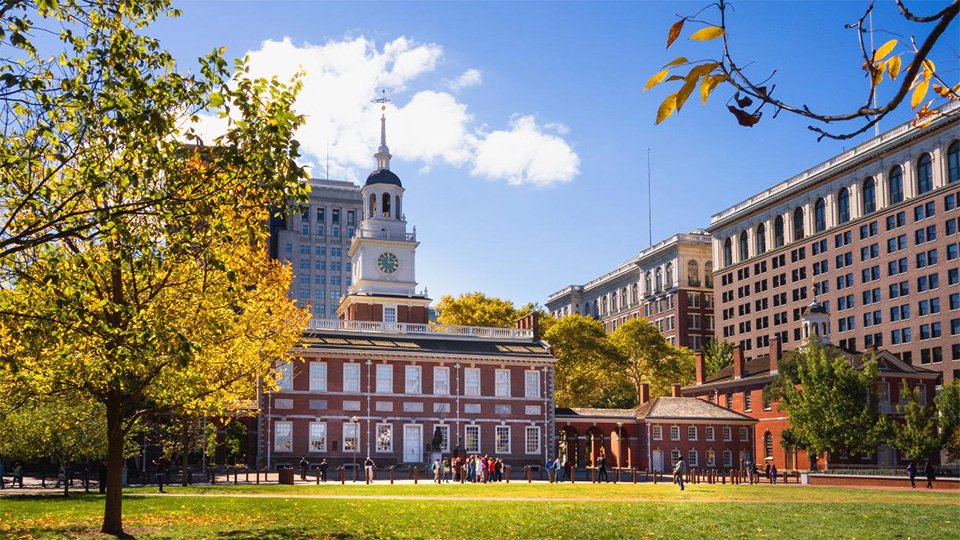 Upcoming sporting events in Philadelphia include 2026 FIFA World Cup, MLB All-Star Game, PGA Championship, and more
The birthplace of the US will host major celebrations, exhibitions, sports events and public art projects throughout 2026, making it a lively year to explore the city’s history and neighborhoods.
Phnom Penh, Cambodia
Why go: A capital reinventing itself
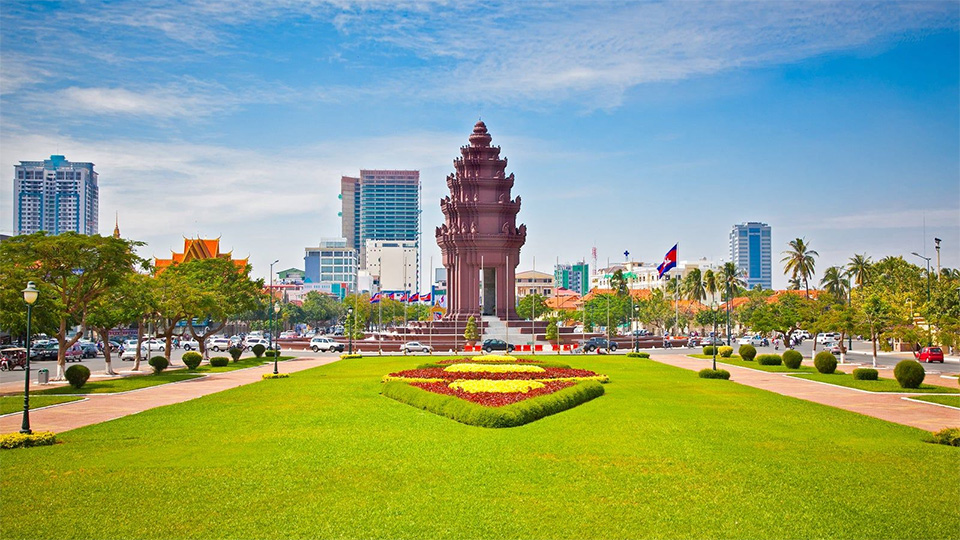 Phnom Penh emerging as a creative, sustainable city with heritage architecture, modern design
With a new international airport and revitalized riverfront, Phnom Penh is emerging as a creative, sustainable city. Heritage architecture, modern design, and a new generation of Cambodian entrepreneurs define its transformation.
Guimarães, Portugal
Why go: History meets sustainability
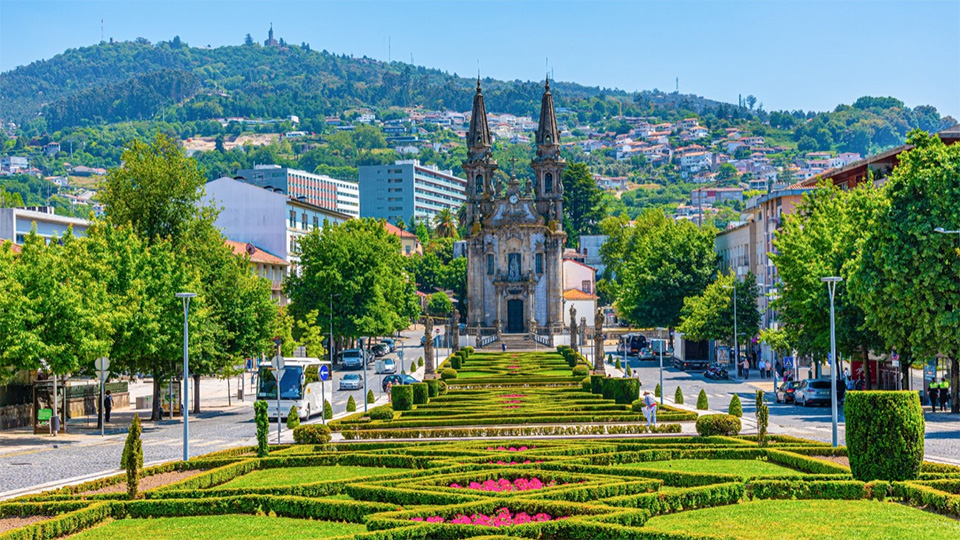 Guimarães’s unique mix of history and energy thanks its young population and ancient sites
Portugal’s first capital blends medieval streets with youthful energy. Named Europe’s Green Capital for 2026, the city showcases long-term investment in green spaces and adaptive reuse.
Samburu, Kenya
Why go: Wildlife, stars, and community conservation
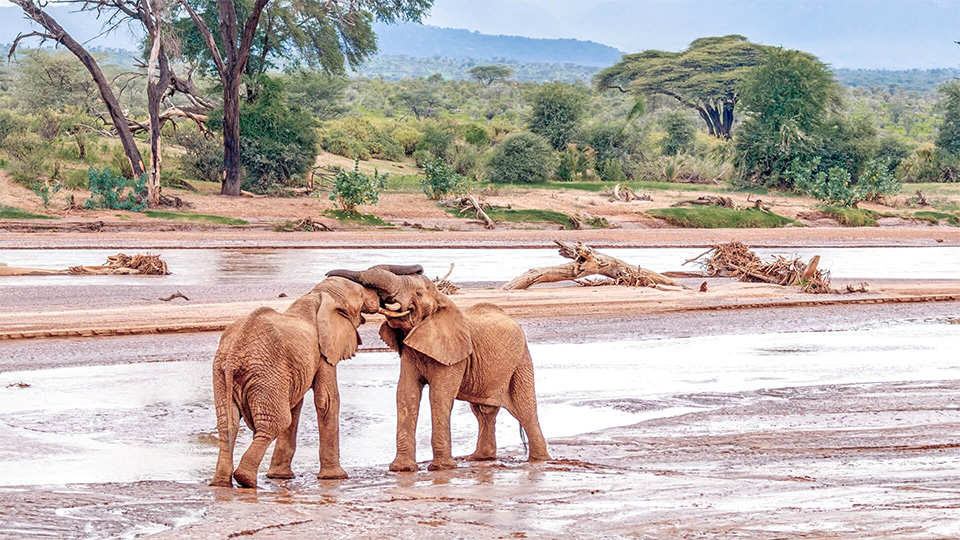 Visitors come to spot "Samburu Special Five", rare animals endemic to northern Kenya
Northern Kenya’s Samburu region offers rare wildlife, Indigenous-led conservation and new astro-tourism experiences, including Africa’s first Indigenous-guided planetarium.
Santo Domingo, Dominican Republic
Why go: Festivals and restoration
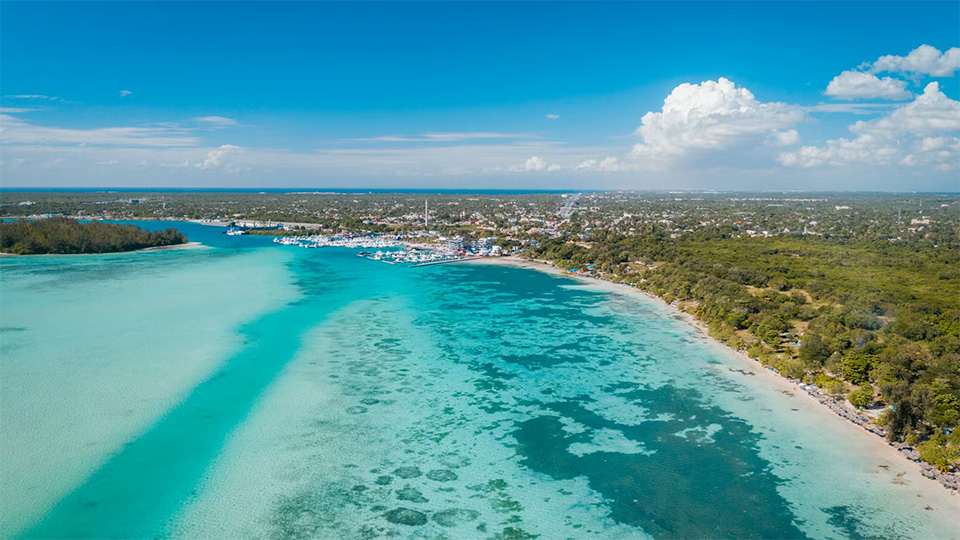 Boca Chica beach is one of Dominican Republic's beloved beaches
Hosting the 2026 Central American and Caribbean Games, the city has restored its historic center and is celebrating music, culture and inclusive urban renewal.
Slocan Valley, Canada
Why go: History and reflection\
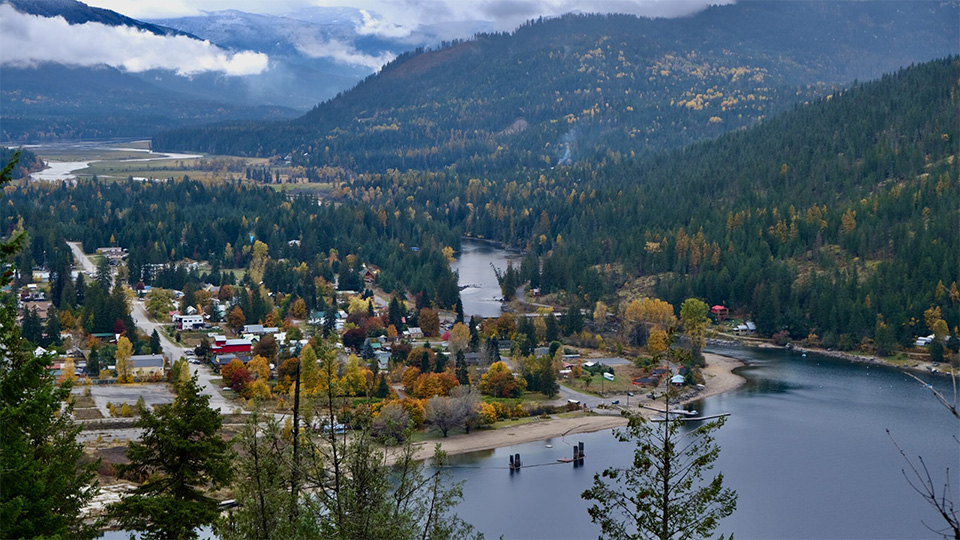 Outdoor enthusiasts long been drawn to the wilderness of Canada's Slocan Valley
A new heritage trail honors Japanese Canadians interned here during WWII. Visitors can explore lakes, forests and cultural sites while engaging with an important chapter of history.
Uluru, Australia
Why go: Indigenous-led experiences
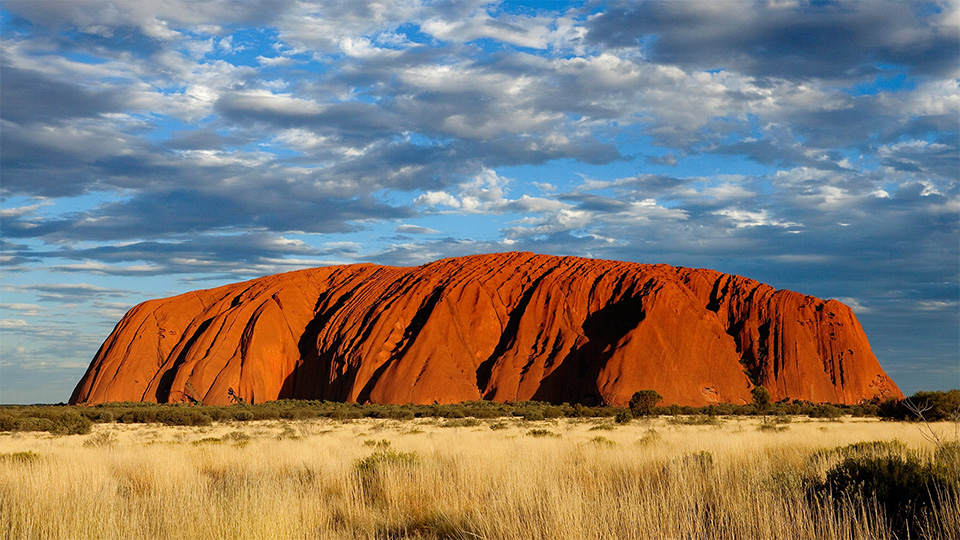 New hike is reshaping how visitors experience world-famous red rock
A new multi-day walking trail allows visitors to experience sacred landscapes guided by Anangu Traditional Owners, marking a shift toward respectful, immersive travel.
Uruguay
Why go: Sustainability and slow travel
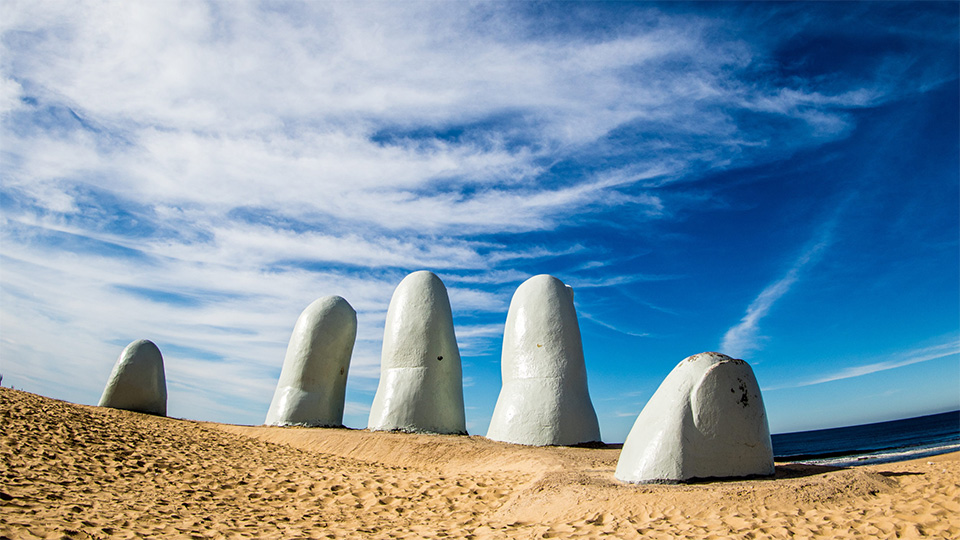 Uruguay offers relaxed cities, pristine beaches, wildlife lagoons, and world-class food
Powered largely by renewable energy, Uruguay offers relaxed cities, pristine beaches, wildlife lagoons and world-class food — all with a strong focus on inclusivity and environmental care.
T