

Top News
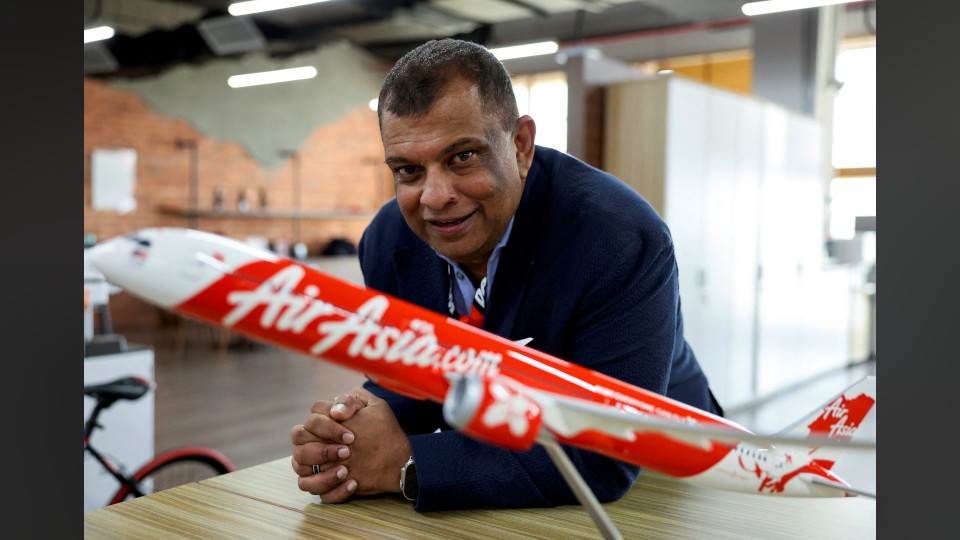
Dhaka: The jet fuel shock triggered by the conflict between the US/Israel and Iran has proven to be a bigger crisis for the global airline industry than the COVID-19 pandemic, said AirAsia CEO Tony Fernandes.
"I thought I'd seen it all with COVID... but having seen jet fuel go up almost three times — this is much worse," Fernandes said in an interview recently. "You wake up one day and your major cost has tripled."
Prices surged from about USD 85 a barrel in late February to more than USD 200 within days following the closure of the Strait of Hormuz since early March. Supply shortages left many smaller airports unable to maintain reserves, prompting airlines to raise ticket prices and cut some flights.
US budget carrier Spirit Airlines became the first major American corporate casualty of the conflict last week. Lawyers for the airline said higher jet fuel costs had left it with "no remaining way out" of bankruptcy.
Fernandes said other US low-cost carriers were in trouble and predicted more mergers. However, he noted that Asian airlines were faring comparatively better due to robust regional travel demand.
"The most important thing is that demand has not dropped in Asia," he said. "If anything, geopolitics is causing more Asians to stay in our part of the world as opposed to venturing outside."
The removal of Gulf capacity and a sharp rise in fares to Europe have redirected more traffic toward Asian carriers, offering some relief amid the broader industry turmoil.
AirAsia had launched a Bahrain hub in February — weeks before the war broke out — as part of its strategy to connect Asia with the Middle East and Europe via longer-haul flights. The airline began selling tickets for Kuala Lumpur–London services via Bahrain, scheduled to start in June.
While AirAsia is no longer promoting those flights, Fernandes said it had already sold 50,000 tickets and remained committed to the hub and its longer-term strategy.
"Unless there's another war, Bahrain still is very much in our plans," he said.
Amid the turbulence, AirAsia signed a USD 19 billion deal with Airbus for 150 A220-300 jets, each capable of seating up to 160 passengers. Fernandes added that if Airbus launched a larger variant of the jet with an additional 25 seats, he would purchase another 150 aircraft.
The A220 deal had been planned for a year and was unaffected by recent industry disruptions, Fernandes said, emphasizing that AirAsia was built by "making bold decisions at the right moment, not the easiest moment." This order reflects the carrier's long-term discipline and the scale of ambitions.
V