
Top News

A young family of four flying a colourful kite together on the beach in the Farasan Islands (source: STAIMG_00079)
Saudi is stepping onto the global travel stage with a message: Saudi is much more than the land of the two holy cities. Welcoming travelers with warmth and hospitality, visitors are discovering a diverse destination filled with history, culture, natural beauty, and modern leisure offerings — all available at prices within reach of families from Bangladesh.
Affordable, family-friendly packages now make it possible to explore Saudi’s treasures without overspending. For travelers, this means more than just a trip—it means creating memories, learning history, and experiencing a side of Saudi few ever imagined.
Jeddah: Gateway to Saudi Red Sea
Almost every international visitor begins their Saudi journey in Jeddah, the Kingdom’s cosmopolitan port city that blends tradition with modernity. Known as the “Bride of the Red Sea,” Jeddah offers a warm welcome and a mix of historic, cultural, and seaside attractions that make it the ideal first stop for travelers.
• Historic Al-Balad: Al-Balad is at the heart of Jeddah’s cultural identity. This UNESCO World Heritage site transports visitors back to the 7th century, with coral-stone houses, intricately carved wooden balconies, and narrow alleys that once bustled with traders from across the world. Families can wander through its restored souqs, explore traditional mosques, and experience the authentic rhythms of Saudi’s trading past.
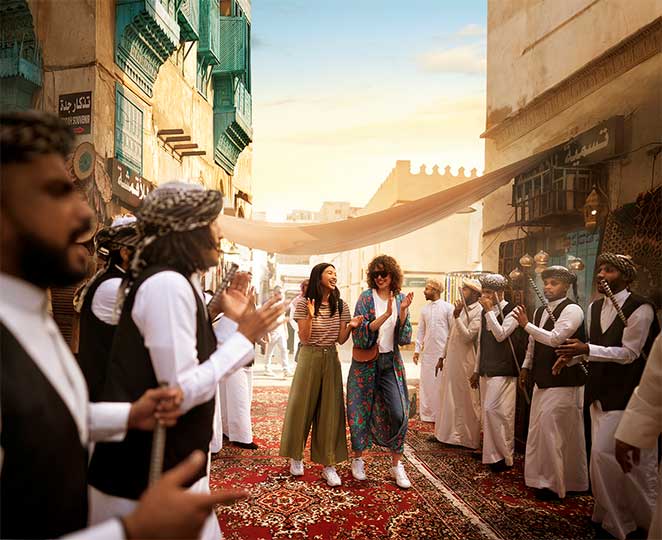 Two young women walking through the souq in Al Balad the historic district in Jeddah (source: STAIMG_00009)
• Corniche and King Fahd Fountain: The Corniche and King Fahd Fountain showcase Jeddah’s connection to the sea. The Corniche is a sprawling waterfront promenade lined with parks, cycling tracks, and picnic spots where families gather to enjoy the sea breeze. At night, the King Fahd Fountain — the tallest of its kind in the world — shoots water nearly 300 meters into the sky, illuminated against the dark horizon in a spectacular display.
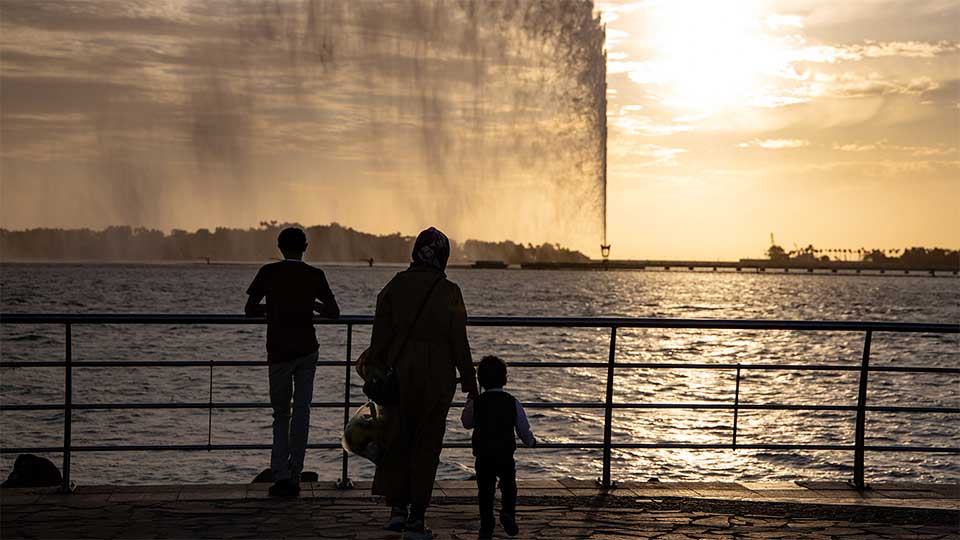 Waterfront viewing (source: visitsaudi.com)
• Beaches and Diving: For those seeking leisure by the water, beaches and diving experiences around Obhur Creek are a highlight. Private resorts and family-friendly beach clubs offer safe swimming and boating opportunities. Offshore, diving and snorkeling reveal vibrant coral reefs and colorful marine life, making Jeddah one of the top Red Sea diving destinations in the world.
• Modern Jeddah: Yet Jeddah is not just about history and the sea. Modern Jeddah shines through its shopping malls, amusement parks, and public art installations. Families can enjoy interactive museums, dine in international restaurants, or stroll through the city’s open-air galleries that reflect its reputation as Saudi’s cultural capital.
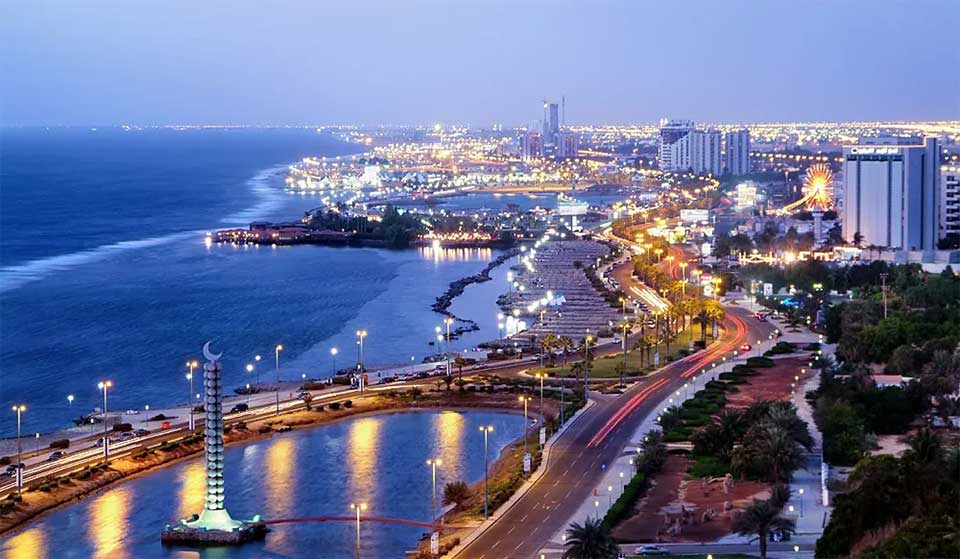 Jeddah Seafront (source: Tourist Destinations)
Riyadh: Tradition meets modern life
Saudi’s capital, Riyadh, is a city where the past meets the future in striking ways. While it remains deeply rooted in its cultural and political heritage, Riyadh is also racing ahead with futuristic developments, festivals, and a rapidly modernizing lifestyle.
• Diriyah: At the heart of Riyadh’s heritage is Diriyah, the birthplace of the Saudi state. This restored district has been transformed into a cultural hub, where museums, art galleries, and traditional dining experiences sit within mud-brick architecture that tells the story of the Kingdom’s beginnings. Visitors can walk through the courtyards of history while enjoying a modern cultural experience.
• Masmak Fortress: The Masmak Fortress, another historic landmark, stands as a symbol of the Kingdom’s founding. It is here that King Abdulaziz launched his campaign to unify Saudi, and today the fortress operates as a museum filled with artifacts, photographs, and exhibits that give a vivid glimpse into modern Saudi history.
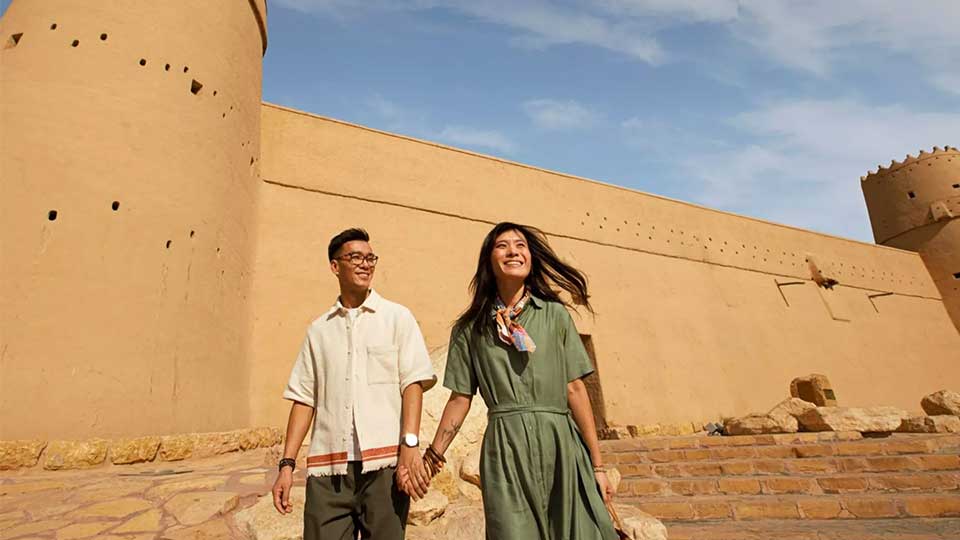 Al Masmak Palace: The Ancient Palace in Riyadh (source: visitsaudi.com)
• Skyline and shopping: For those seeking panoramic views, the Kingdom Centre Sky Bridge is a must-visit. Rising above Riyadh’s skyline, the bridge offers sweeping views of the city that reveal the scale of its modern transformation. Beneath it, the city’s glitzy malls and luxury shopping centers provide entertainment for families, blending international brands with local experiences.
• Riyadh season: Adding vibrancy to the capital is the Riyadh Season, an annual mega-festival running from October 2025 to March 2026. This months-long extravaganza features concerts by international stars, sporting events, themed exhibitions, culinary festivals, and immersive family attractions — making it one of the biggest tourism draws in the Middle East.
• Green spaces: Despite its fast-paced growth, Riyadh has not forgotten the importance of balance. The city is investing in green spaces such as King Abdullah Park, family gardens, and newly designed urban oases. These parks are becoming favorite spots for families to relax, picnic, and escape the rush of city life.
Taif: City of Roses
Nestled high in the mountains, Taif offers a refreshing contrast to the desert landscapes most visitors expect from Saudi. Known as the “City of Roses,” Taif is a beloved summer retreat thanks to its cooler climate, natural beauty, and agricultural bounty.
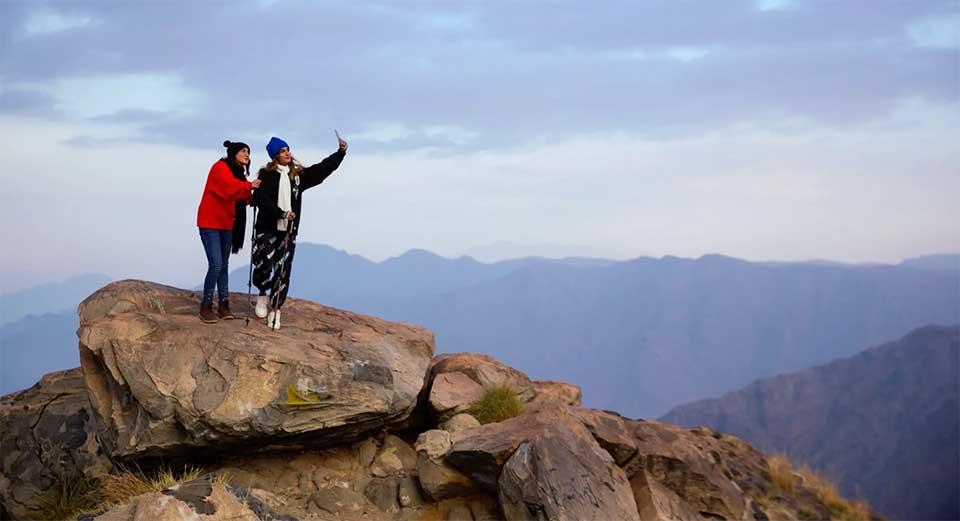 Taif (source: visitsaudi.com)
• Rose gardens: The region’s world-famous rose gardens are a sensory delight. Every spring, millions of fragrant roses bloom across Taif’s fields, harvested to create luxurious rose water and perfumes that are prized internationally. Families visiting during the rose harvest can tour distilleries, watch the traditional process of rose oil extraction, and even purchase locally made products as souvenirs.
• Cool climate and resorts: Thanks to its elevation, Taif boasts a cool climate throughout the summer months. Popular mountain resorts in Al-Shafa and Al-Hada attract families seeking cooler air, breathtaking views, and outdoor activities. Cable cars glide between peaks and valleys, offering sweeping panoramas that turn an ordinary ride into an unforgettable adventure.
• Farms and honey: Beyond its roses, Taif is also a hub of agriculture. Local farms and honey producers welcome visitors to taste fresh strawberries, peaches, grapes, and honey harvested from the region’s hills. These experiences connect families to the natural abundance of the area and provide a delicious way to enjoy Saudi’s lesser-known flavors.
Abha, Aseer mountains
Further south lies Abha, the capital of the Aseer region, a destination that feels worlds apart from Saudi’s desert image. With its misty mountains, lush valleys, and cultural treasures, Abha is becoming one of the Kingdom’s most popular spots for eco-tourism and heritage travel.
• Aseer National Park: Nature lovers are drawn to Aseer National Park, a vast protected area covering mountains, forests, and trails. Visitors can hike through landscapes rich with wildlife, picnic in shaded valleys, or simply breathe in the fresh mountain air — a refreshing change from the desert climate elsewhere.
• Al-Soudah Peak: At Al-Soudah Peak, the highest point in Saudi, travelers are greeted with dramatic views often cloaked in mist. The area is also a hub for adventure tourism, offering opportunities for paragliding, trekking, and camping above the clouds.
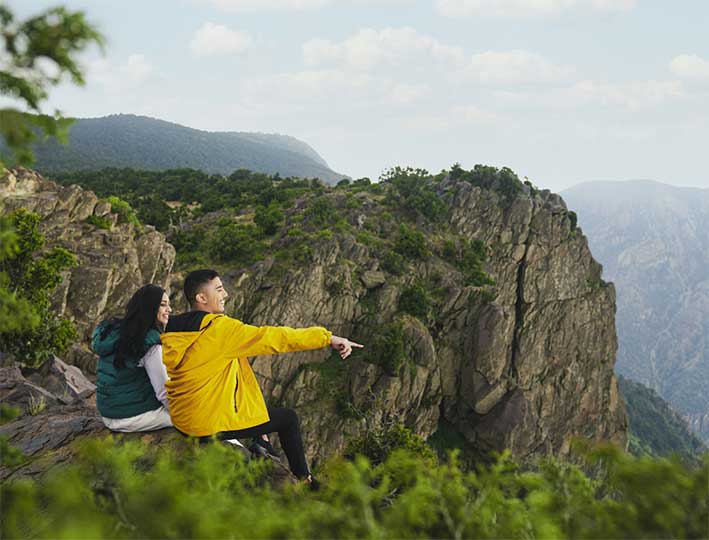 Soudah Peaks: the luxury mountain destination at the Kingdom (source: Arab News)
• Heritage villages: The region is also home to cultural treasures such as Rijal Almaa, a heritage village known for its striking stone houses adorned with colorful windows. The village, with its fascinating history and unique architecture, has become a photographer’s dream and a must-visit for families interested in culture and tradition.
• Cable cars: Abha’s cable cars are another highlight, linking mountaintop villages with valleys below. These rides provide not just convenience but breathtaking scenery that allows visitors to appreciate the scale and beauty of the Aseer mountains.
AlUla: Desert’s jewel
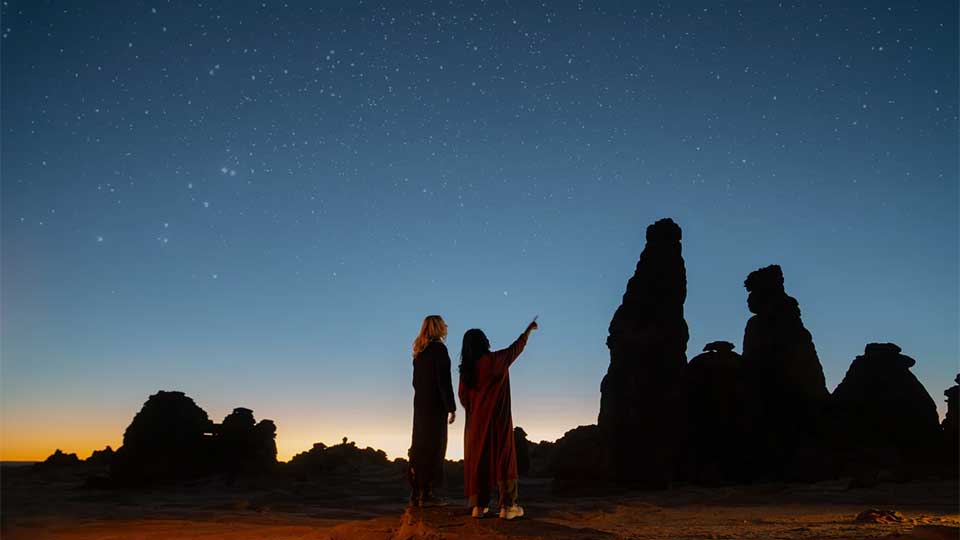 Two women admiring the rock formations in AlUla (source: visitsaudi.com)
In the northwest lies AlUla, a destination rapidly gaining global attention as Saudi’s cultural and adventure tourism showpiece. With its mix of ancient wonders and cutting-edge attractions, AlUla is often compared to Petra in Jordan but offers its own unique experiences.
• Hegra ("Madā’in Ṣāliḥ"): The highlight is Hegra (Madā’in Ṣāliḥ), Saudi’s first UNESCO World Heritage site. Carved into sandstone cliffs by the Nabataeans over 2,000 years ago, the monumental tombs are both awe-inspiring and historically significant. Guided tours bring to life the stories of the ancient civilization that once thrived here.
• Maraya Hall: Equally remarkable is Maraya Hall, the world’s largest mirrored building. This concert venue reflects the desert landscape, creating an architectural marvel where modern design meets natural beauty. It regularly hosts international artists, making AlUla a destination for culture and entertainment.
• Adventure Experiences: For adventure seekers, AlUla offers a wide range of experiences. Hot-air balloon rides at sunrise provide breathtaking views of the desert, while trekking tours take visitors through dramatic sandstone valleys. At night, stargazing under some of the clearest skies in the world completes the magical experience.
Desert adventures, Saudi Red Sea dreams
Saudi’s vast deserts hold timeless allure, offering a mix of tradition and modern adventure.
• Camel rides and safaris: Camel rides and desert safaris allow visitors to step into the Bedouin lifestyle. Families can ride camels, explore sand dunes in 4x4 vehicles, and enjoy traditional meals under the stars at Bedouin-style camps, creating authentic cultural encounters.
• Edge of the World: The Edge of the World, just outside Riyadh, is one of the Kingdom’s most dramatic natural landmarks. This towering escarpment drops off into endless desert plains, offering breathtaking vistas and a sense of awe for all who visit. It is a must-see for adventurers and families alike.
• Saudi Red Sea: Saud’s Red Sea coastline stretches 1,800 kilometers, featuring over 90 pristine islands, 95 luxury resorts, more than 50 hotels, and 5 wellness retreats. Iconic resorts here include Shebara Resort, Desert Rock Hotel, The St. Regis Red Sea Resort, The Ritz-Carlton Ras Al Khaimah, Al Wadi Desert, and Six Senses Southern Dunes. By the end of 2025, 11 more luxury resorts will open their doors.
Kingdom of contrasts
Saudi is redefining itself—not only as a land of deserts and history, but as a modern destination of contrasts. Ancient tombs stand alongside mirrored concert halls, coral reefs thrive beneath the Saudi Red Sea waves, and mountain towns bloom with roses.
Today, the Kingdom is extending an invitation: to discover, to learn, and to embrace the hidden gems beyond Makkah and Madinah.
Affordable journeys for families
For Bangladeshi travelers, the most appealing aspect of Saudi’s tourism expansion is its increased accessibility. Tour packages are now tailored for middle-class families, covering flights, accommodation, transportation, and guided tours—all designed to offer value without compromise.
Additionally, several tour operators provide a wide range of attractive packages to suit every family’s preference and budget. They are: ShareTrip Ltd, Star Holidays, BD Fare Bangladesh Ltd, Sunshine Express Travel Inc, AMDA Tours & Travels, and ITS Holidays Ltd.