
Top News

Farmers, at lush colourful gardens in Jashore’s Godkhali, picking out flowers for visitors _Photo : Monitor
Dhaka : The last three-four months, considered the peak season, went very festive for the country's flower capital Godkhali in Jashore. Lush colourful flower fields, extravagant flower fairs, exciting entertainment rides, fun recreational games, beautiful floral ornaments, thousands of visitors and millions of sales observed in the flower kingdom reflected the immense potential of agritourism in Bangladesh. Once tapped, it can be a key driver of sustainable development in the country across multiple avenues-tourism, agriculture, rural entrepreneurship, education etc.
Agritourism is part of 'widened agriculture' where agriculture is not only focused on production but also on visitors who like a weekend or week in the countryside to see how a farm works and be a part of it. Hence, it presents an excellent opportunity to leverage Bangladesh's rich agricultural heritage and diverse rural landscapes for the growth of tourism.
Jashore's Godkhali during the peak flower season (December-January) shows its prowess as a suitable destination for agritourism. With the vibrant flower farming communities, traditional agricultural practices, grand festive arrangements and arrival of thousands of visitors, the region could become a leading destination for such tourism in Bangladesh.
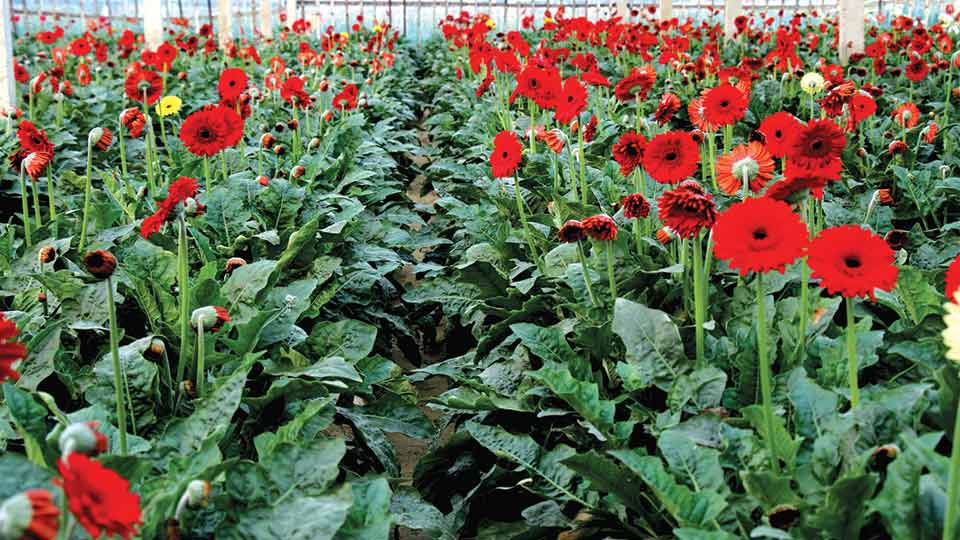
Upon arrival in Godkhali during the peak season, visitors will be mesmerised by the vast colourful fields, hectares after hectares, filled with lush varieties of flowers including gerbera, rose, dahlia, sunflower, chrysanthemum and many others. These farms do not only produce and sell flowers but also welcome visitors to their beautiful flower gardens to enjoy spending a relaxing time, take pictures, pick out fresh flowers from the plants, adorn themselves in customised floral beauty and be a part of nature-this is what makes the entire experience all the more immersive.
However, the list of fun activities does not end there. Jashore's Godkhali is currently blessed with an annual extravagant fair during the peak season, thanks to the development efforts of the local authority and community. The fair features hundreds of flower stores-all offering unique floral products to the visitors, from flowers or bouquets to floral ornaments-the latter seems to be very popular among women.
Furthermore, visitors will find plenty of local restaurants to dine at the fair. All of them offer visitors the opportunity to taste the delectable local cuisines of Jashore. On top of it, several exciting and fun rides and games await visitors to further enthrall them, mainly families with kids. Altogether, the area remains bustling for the entire season with arrivals of thousands of visitors both locals and foreigners.
While talking to The Bangladesh Monitor, Asadul Islam who owns a four-bigha long flower garden in Panishara village of Godkhali, Jashore, said, he alone has chrysanthemum in 120 colour varieties. His garden is filled with different colours of flowers as well as plenty of visitors who are charged an entry fee of BDT 10 per person. Opening his garden to visitors has paved the way for an additional income source, said Asadul Islam, as he now earns not only by selling flowers but also from the entry fees to his garden.
Also, opening the gardens to walk-in visitors has generated a new segment of customers for the farmers as now wholesalers as well as consumers buy flowers directly from their gardens. Those who come to visit the garden do not leave without buying flowers, said Asadul, adding, his garden is graced by hundreds of visitors from all across the country. Hence, during the peak season, Asadul mentioned, he earns a staggering amount of BDT 3-4 lac from flower sales only. Even during the end of the season, Asadul is left with over 20 thousand flower sales a day, he claimed.
Speaking to The Bangladesh Monitor, Md Saiful Islam, another four-bigha long garden owner in Panishara, thanked the government and the local authorities for their efforts to develop the flower trade.
He mentioned, the government facilitated the farmers with better road connectivity, which is also essential for agritourism. Saiful also claimed, works are underway to construct a train station in Godkhali which will further develop connectivity, trade and tourism to and from the region.
Saiful informed, his garden of gerbera, tuberose, rose, marigold, chrysanthemum and dahlia, right beside Asadul's, also remains filled with several heads of visitors. Local and foreigners alike visit the gardens as they offer unparalleled floral beauty that cannot be found anywhere else, he claimed.
However, to better facilitate agritourism in Godkhali, the government, local authorities and farmer community has to make further concerted efforts. At present, visitors cannot enjoy proper accommodation facilities in Godkhali. Outsiders reside in the town hotels of Jashore and make a day trip to Godkhali. However, for a true agritourism experience, visitors must be provided with quality accommodation at the farm to enjoy the humble beauties of farm-life.
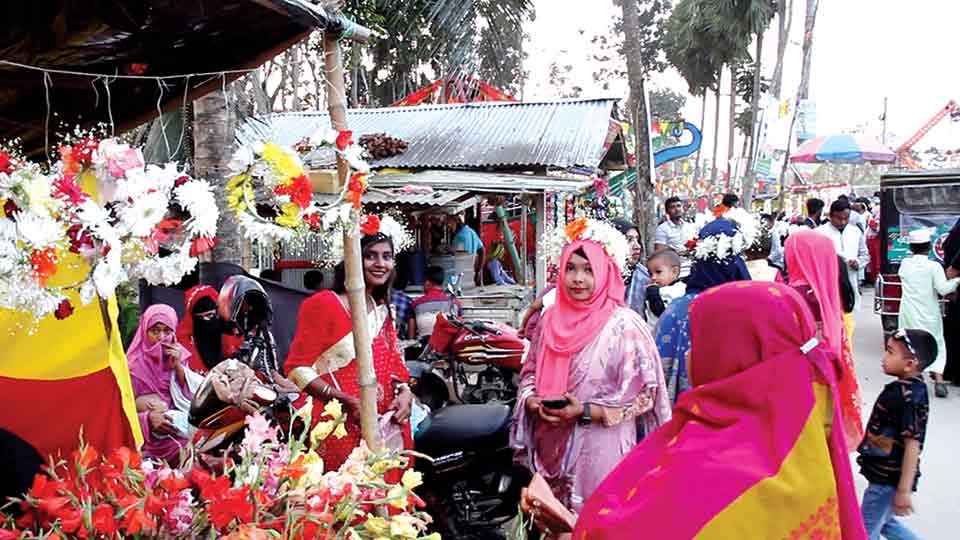
Hectares after hectares of lush flower fields await visitors in Godkhali (top) and visitors adorn themselves with floral ornaments at the fair (bottom)-Photo: Monitor
There are plenty of successful examples of international agritourism initiatives for Bangladesh to follow. In Thailand, agritourism has prospered through homestays and organic farms. Visitors get to stay with local families, experience rural lifestyles and take part in farming activities such as crop cultivation, gardening and traditional cooking. Organic farms, especially in northern Thailand, provide visitors with educational experiences on sustainable agriculture and offer farm-to-table dining experiences.
Taiwan also embraced agritourism with a focus on fruit-picking experiences and tea tours. Visitors can participate in activities such as strawberry picking, harvesting citrus and exploring fruit orchards. These initiatives have attracted both domestic and international tourists, contributing to local economies and enhancing cultural exchange.
In India, farmstays and spice plantation tours have gained much popularity. Farmstays offer visitors the chance to stay on farms, experience rural life, and participate in agricultural activities. These initiatives support local farmers, promote cultural exchange and offer unique insights into agricultural practices.
Agritourism empowers local communities and contributes to their economic development. This improves income generation, job creation and the preservation of cultural heritage.
In Bangladesh, agriculture-focused universities can play a vital role in promoting and facilitating agricultural apprenticeships. They can provide students with practical exposure, support local communities, and help create an educated workforce. Agri-businesses can also participate by organising and deploying the learners while also promoting their business.
Agricultural universities can also work with government agencies, tourism boards and private sector organisations to develop such tourism initiatives. Such partnerships can help to secure funding and create supportive infrastructure for agritourism development in the country.
To unlock the full potential of such tourism, effective promotion and marketing strategies are required. This includes domestic and international campaigns and collaborating with travel operators and educational institutions.
The current obstacles in the way of agritourism development in Bangladesh-infrastructural limitations, lack of awareness, limited sponsorship options for supporting programmes and sound policy favouring agritourism and learning-have to be mitigated through public-private partnerships, regulatory frameworks and the involvement of local communities in planning and management processes for agritourism.
Flower farmers of Godkhali complained they are currently unable to export their flowers abroad due to various issues. Export was a significant earning source that paved the way for their development. Without it, farmer Saiful Islam claimed, they will fall behind.
Agritourism in Bangladesh can potentially connect sustainable rural development, economic empowerment, skill enhancement and tourism prosperity together. With the country's agricultural diversity, scenic destinations, high community engagement and sustainable practices, Bangladesh can place itself as an attractive destination for agritourism. Lastly, government's attention, spreading awareness among the local communities, marketing and facilitating destinations like Jashore's Godkhali are required to grab the opportunity.