

Top News
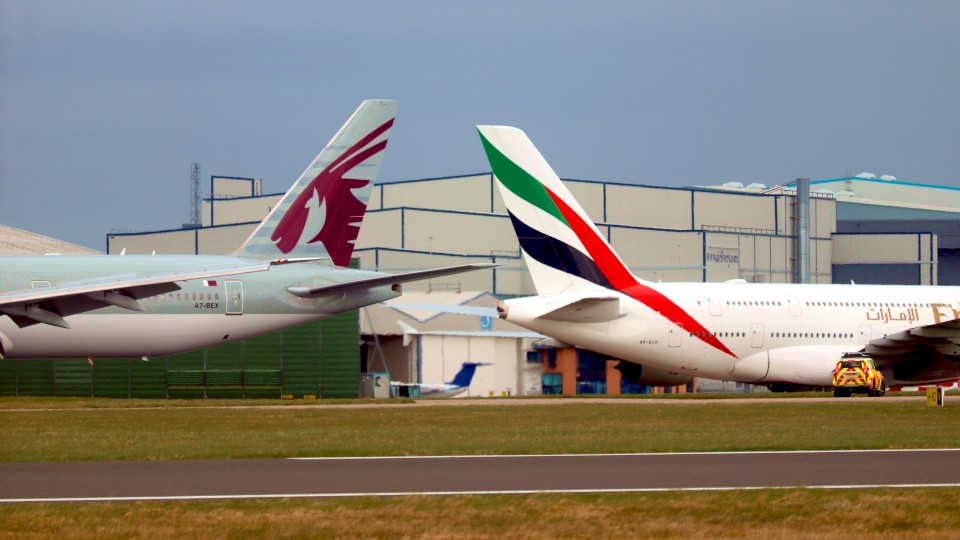
Dhaka: The Sri Lankan government has initiated preliminary discussions with Emirates and Qatar Airways to utilize Mattala Rajapaksa International Airport as an alternative transit hub, as escalating geopolitical tensions continue to paralyze primary aviation networks across the Middle East.
Tourism and aviation officials of the country confirmed that both carriers have expressed strong interest in repositioning some of their operations to the southern Sri Lankan airport.
The move follows a severe conflict that erupted in late February, triggering one of the most significant disruptions to global air travel in recent history.
The crisis has forced full or partial closure of civilian airspace across Iran, Iraq, Israel, Qatar, and parts of the United Arab Emirates. Consequently, mega-hubs such as Dubai, Doha, and Abu Dhabi have been compelled to suspend or drastically reduce operations.
Industry analysts highlight that Mattala offers a highly strategic geographical advantage in the current climate. Located in southeastern Sri Lanka, the airport sits directly along the primary Indian Ocean East-West aviation corridors, positioned well south of the conflict-affected airspace over the Persian Gulf and Arabian Peninsula.
The facility features a 3,500-meter runway capable of accommodating the largest wide-body aircraft, which is a critical requirement for the massive fleets operated by both airlines.
The Middle East aviation crisis has already resulted in the cancellation of hundreds of flights to Sri Lanka, with expected tourist arrivals for March dropping by roughly 20 to 25 percent, causing an estimated immediate revenue loss of USD 40 million.
If Emirates and Qatar Airways finalize agreements to pivot their transit operations to Mattala, it could salvage the current tourism season while permanently validating the long-debated utility of the airport as a strategic global aviation backup hub.
V