
Top News
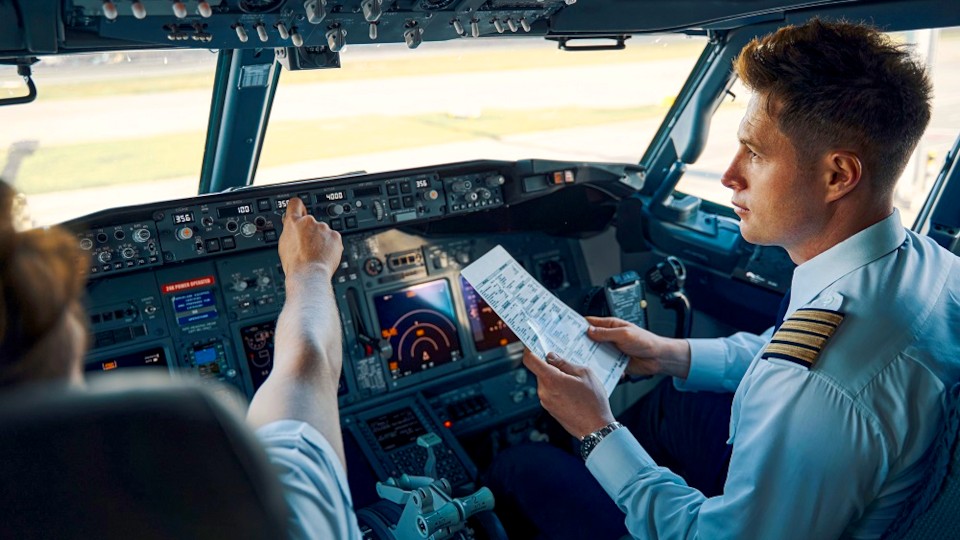
Dhaka: The National Transportation Safety Board (NTSB) has issued three safety recommendations aimed at improving pilot preparedness for smoke-in-cockpit emergencies through realistic, scenario-based training.
The recommendations, announced on May 13, stem from an investigation into a December 20, 2023, incident involving Southwest Airlines flight 554, a Boeing 737-8 MAX, on departure from Louis Armstrong New Orleans International Airport.
Shortly after takeoff, a bird was ingested into the aircraft's left engine, causing smoke to rapidly fill the cockpit and deteriorate visibility below the level required to monitor flight instruments and checklist items properly. The flight crew donned oxygen masks, completed emergency procedures, declared an emergency, and safely returned to the airport. None of the 139 people aboard were injured.
The crew described the surprise, adrenaline, and severely restricted visibility as far more challenging than anything encountered during training. The NTSB noted that had such an event occurred at night or in instrument meteorological conditions, the consequences could have been catastrophic.
The agency found that although the Federal Aviation Administration (FAA) receives nearly daily notifications of smoke-related emergencies, passenger airlines are not currently required to conduct realistic smoke-in-cockpit simulation training. Existing training typically consists of verbal discussions rather than immersive simulations involving reduced visibility or elevated workload.
Investigators concluded that current recurrent pilot training may not adequately prepare crews for the workload, stress, and time-critical decision-making associated with actual smoke emergencies in the cockpit.
Therefore, the NTSB recommended that the FAA work with industry to develop standardized, realistic simulation training and incorporate it into its guidance for overseeing airline training programs.
The board also urged Airlines for America (A4A) and the Regional Airline Association (RAA) to share information from the Southwest incident with their member airlines and encourage the broader adoption of realistic smoke-event simulations in pilot training.
V
Share this post
Also on Bangladesh Monitor