

Third Terminal stalled : Mounting losses, expiring warranties, race against time

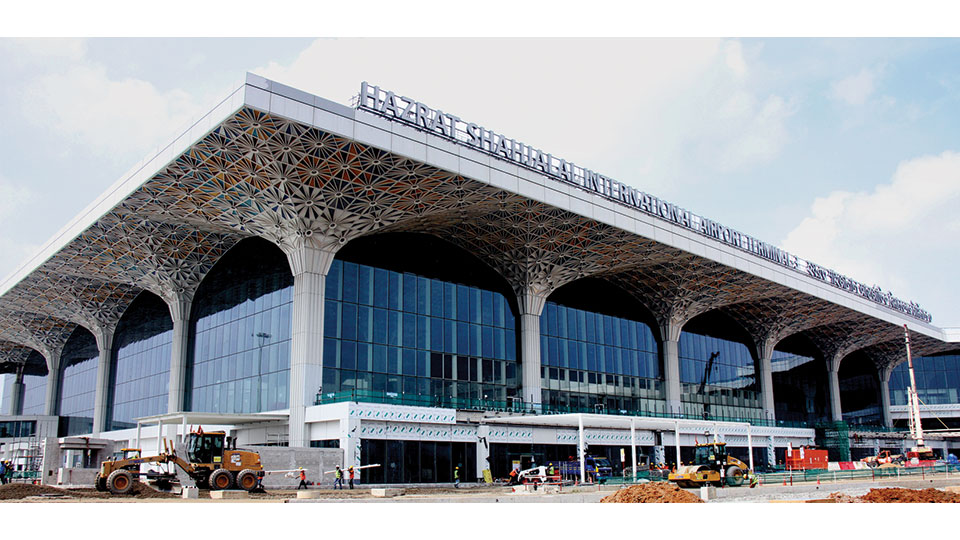
Dhaka : Bangladesh's most ambitious aviation infrastructure project - the Third Terminal at Hazrat Shahjalal International Airport - remains grounded in uncertainty after the interim government failed to launch the facility or secure consensus with the Japanese operator. With deadlines long missed, loan repayments looming, and equipment warranties expiring, industry insiders warn the country is staring at mounting annual losses unless urgent corrective measures are taken.
The terminal, built at a cost of over BDT 21,000 crore with financing from the Japan International Cooperation Agency (JICA), was originally scheduled to become fully operational by December 2024. That timeline slipped repeatedly amid political transition, administrative reshuffles, and ultimately the collapse of negotiations between the Civil Aviation Authority of Bangladesh (CAAB) and the Japanese consortium selected to operate the facility.
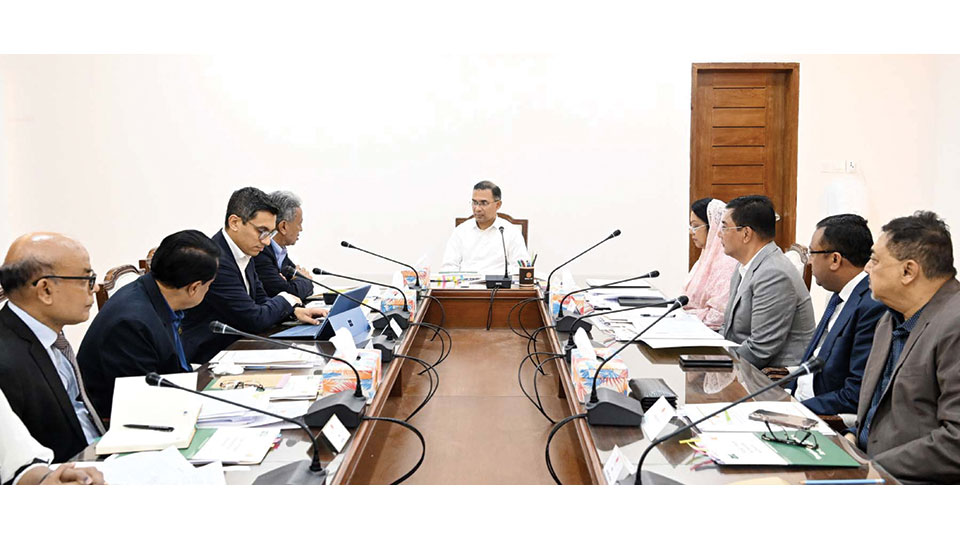
Now, with the interim government's failure to open the terminal during its tenure, the project's fate rests with the new administration led by Prime Minister Tarique Rahman, who has directed that the matter be resolved immediately - a ray of hope.
Mounting financial pressure
The financial implications of the delay are stark. From 2027, Bangladesh will have to begin repaying approximately BDT 1,200 crore annually in loan installments for the Third Terminal project. Although the country received a two-year waiver on repayments, interest continued to accumulate at a compound rate during that period. According to insiders, the grace period did not shield CAAB from the financial burden - it merely deferred it at a higher long-term cost.
Former CAAB Chairman M Mafidur Rahman, in an exclusive interview with The Bangladesh Monitor, said the delay could cost the country dearly.
"For delaying two years, a loss of BDT 2,500 crore is likely to be incurred," he said, explaining that CAAB transferred funds to Bangladesh Bank on time regardless of whether the terminal was operational or whether a waiver was in place.
This means Bangladesh has been incurring financial obligations without generating a single taka of revenue from the new facility.
Compounding the crisis, CAAB has also been hit with an order to pay over BDT 1,000 crore to the Aviation Dhaka Consortium (ADC), adding further strain to its financial position at a time when its flagship project remains idle.
Operator deadlock
Negotiations between CAAB and the Japanese consortium collapsed after multiple rounds of talks failed to bridge differences over revenue sharing and operational control. The fallout reportedly stemmed from Japan's refusal to accept terms prepared by the International Finance Corporation (IFC) on behalf of CAAB.
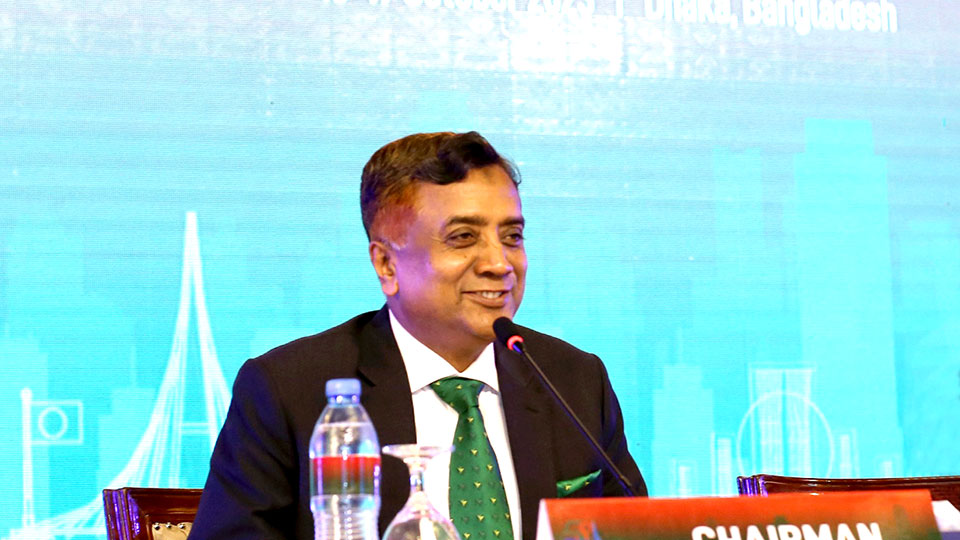
M Mafidur Rahman, former Chairman, CAAB
Mafidur noted that CAAB was not initially consulted when the decision was made to hand over terminal operations to Japan.
"They do not have great success operating on foreign soil," he said, though he added that a professional foreign operator would still be preferable to assigning the responsibility to the existing operator.
He stressed that the consortium's financial claims could still be renegotiated and reduced - but only with technically sound leadership capable of handling complex commercial negotiations.
Governance, expertise gaps
A central concern raised by the former chairman is the lack of consistency and expert supervision at present. "The Third Terminal currently misses consistency and expert oversight," Mafidur said. "Those in charge at the moment lack sufficient expertise. It could be difficult for them to launch the Third Terminal even in another year."
He suggested the government to form a high-level steering committee and a dedicated taskforce composed of aviation technocrats to oversee the terminal's delivery.
"Being technically sound is important to lead the project to completion," he said, adding, this is why, ministries require technocrat representatives with domain expertise to navigate complex operational, financial, and regulatory challenges.
Mafidur, who previously served as Chairman of the Collaborative Arrangement for the Prevention and Management of Public Health Events in Civil Aviation (CAPSCA) Asia Pacific and gathered experience to adopt best practices as per the International Civil Aviation Organization’s (ICAO) standards, argued that Bangladesh must follow global best practices to salvage the project.
Equipment warranties expiring
Perhaps the most urgent technical concern involves equipment warranties. The terminal is equipped with sophisticated baggage handling systems, passenger processing technology, security scanners, and other high-value machinery. However, with no operator appointed and no formal handover completed, these machines have not been fully tested or operated under commercial conditions.
"Equipment warranty is expiring, and yet the authorities have not gone through the machines," Mafidur warned. "They haven't appointed any operator, let alone handed over the machines so that they go through them. If there is any issue after the warranty is over, you cannot change them free of cost."
He emphasized that authorities must immediately sit with suppliers to address warranty expiration risks and negotiate extensions where possible.
Training, manpower stalled
The manpower required to run the Third Terminal remains largely untrained. Under the original plan, CAAB personnel was supposed to be trained under a JICA offered package ORAT to operate the advanced systems installed at the facility. However, the Civil Aviation Ministry has not yet approved JICA's proposed training package.
As a result, recruitment and training for the Third Terminal have stalled. "Hiring manpower is at a halt," Mafidur said. "The manpower has not been trained yet on the machines."
Without trained personnel and operational readiness, even a political decision to open the terminal would face practical constraints.
Addressing 'network' misconceptions
Recent speculation regarding the absence of a communication network at the terminal was dismissed by Mafidur as baseless.
"Assessments by experts were done during my tenure," he said, noting that during the 2023 soft opening, there was full network coverage. Infrastructure provisions for communications were built in, he explained, only requiring proper configuration and minor adjustments as suggested by the consultants.
"There are positions to have communication network - all you have to do is plug in," he said, suggesting that bringing in experienced consultants could quickly address any technical integration issues.
With all these, the window for corrective action is rapidly closing. Mafidur believes the solution lies in decisive, technically informed leadership.
Whether the new government can restore momentum - through renegotiation, structural reform, or a new operational model - will determine whether the gleaming terminal becomes a catalyst for growth or a cautionary tale of delayed ambition.