

Top News
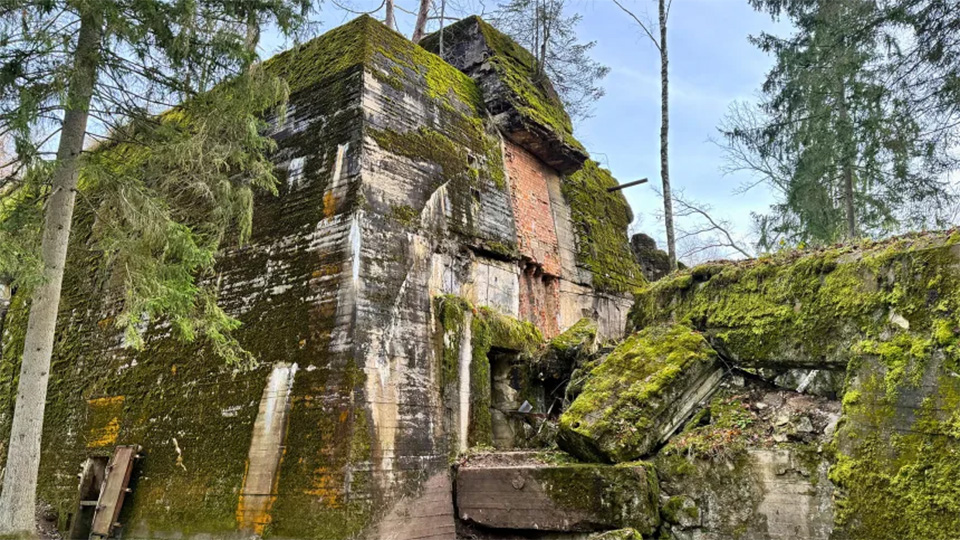
Dhaka: Hidden among the dense forests of northeast Poland, the Wolf’s Lair once served as Adolf Hitler’s heavily guarded military headquarters. From this secluded base, the Nazi leader directed major operations during World War II, including the invasion of the Soviet Union. The site is also remembered for Operation Valkyrie, the failed 1944 assassination attempt that nearly changed the course of history.
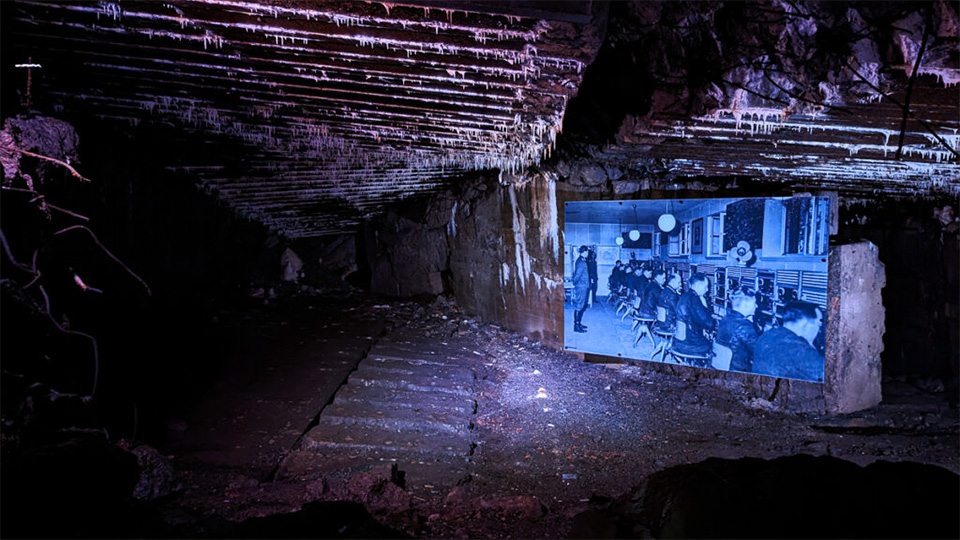
Today, the vast concrete remains have been transformed into a museum open to the public. Visitors walk along marked paths between shattered bunkers and underground passages, where the atmosphere remains heavy despite the birdsong and greenery that now surround the ruins.
Elsewhere in Europe, former zones of division and danger are being reclaimed in very different ways. In Germany, the Grünes Band — an 860-mile-long ecological corridor tracing the former border between East and West Germany — has become one of the country’s most significant conservation projects. Once a fortified strip lined with landmines and watchtowers, it is now a protected biosphere rich in wetlands, wildflowers and birdlife, symbolizing how landscapes of fear can evolve into spaces of peace.
Further east, Georgia’s Pankisi Valley carries a more recent and contested history. Following the September 11, 2001 attacks in the United States, American officials alleged that extremist fighters were hiding in the remote mountain valley, even suggesting Osama bin Laden may have passed through — claims that were never substantiated. While the area remains on US travel warning lists, it is slowly attracting more foreign visitors, drawn by its natural beauty and the chance to see a region long defined by suspicion rather than firsthand experience.
Together, these places reflect a growing interest in destinations shaped by conflict — landscapes where history, memory and tourism now intersect in complex and often uncomfortable ways.
T
Share this post
Also on Bangladesh Monitor