
Top News
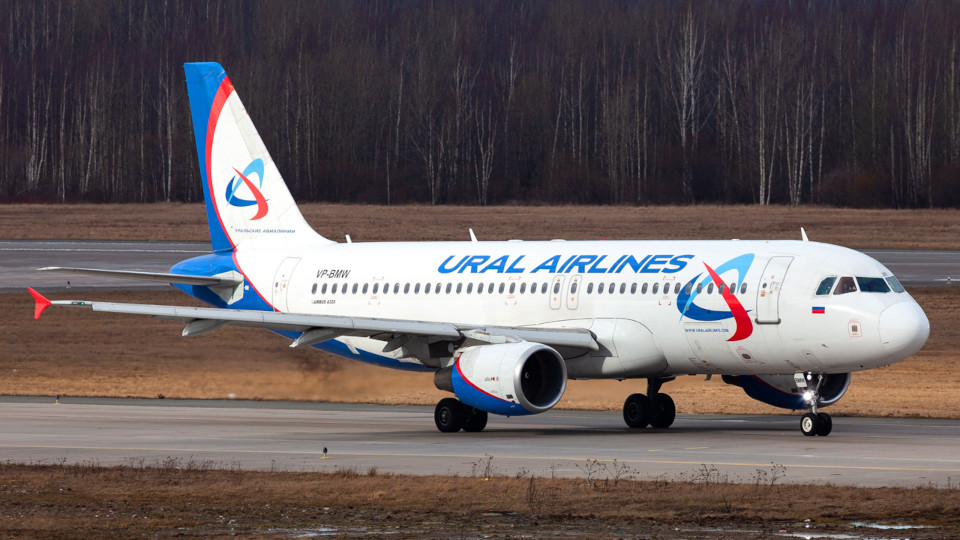
Dhaka: Russia’s Ural Airlines said it will launch what it described as a first-of-its-kind domestic program to extend the service life of its Airbus A320 family aircraft beyond 96,000 flight hours, as Western sanctions continue to strain the country’s aviation sector.
Work will begin in autumn 2026 at the airline's in-house maintenance facility. The program will involve full disassembly of the aircraft, detailed inspections, structural airframe repairs, and final reassembly before returning the jets to commercial service.
In a statement, Ural Airlines said no comparable comprehensive life-extension initiative currently exists in Russia. It described the project as a “logical continuation” of its engineering development and a major step forward for the domestic aviation industry.
The carrier informed it is also designing specialized workshops to repair fuel, hydraulic, and pneumatic systems, as operators face mounting challenges in sourcing certified spare parts.
Industry specialists, however, have raised safety concerns. Aviation journalist Andrei Menshenin said aircraft life cycles at centers not certified by manufacturers move planes further away from international safety standards.
Aviation expert Vadim Lukashevich wrote on a social media platform that the airline already had practical experience dismantling A320 jets following emergency landings in fields in 2018 and 2023, when aircraft were removed in parts. He expressed hope that the new initiative would not result in casualties.
The program comes as Russia grapples with an acute shortage of spare parts and new aircraft following Western sanctions imposed over the war in Ukraine.
In September 2025, Russia appealed to the International Civil Aviation Organization (ICAO) to ease restrictions needed to maintain the airworthiness of more than 700 Boeing and Airbus aircraft.
Efforts to replace foreign-made jets with domestically produced models have faltered. Only one of 15 aircraft scheduled for delivery in 2025 was completed.
Safety data has also reflected mounting strain. Aviation incidents in 2025 involving technical faults that disrupted flights rose fourfold year-on-year to around 800 cases.
In late January 2026, four Russian aircraft made emergency landings within a single week due to in-flight technical problems.
Vladimir Kovalsky, head of Russia’s aviation watchdog Gosavianadzor, said in early February 2026 that serious violations in civil aviation showed a systemic pattern, with more than 480 aircraft suspended between 2023 and 2025 over regulatory breaches.
V
Share this post
Also on Bangladesh Monitor