
Breaking News
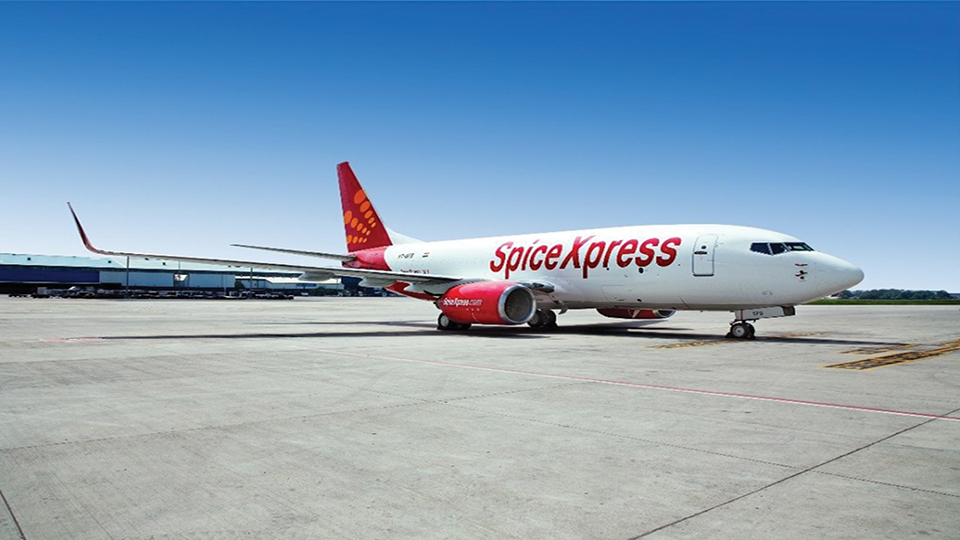
New Delhi : Indian budget carrier SpiceJet is finally progressing with the bifurcation of its passenger and cargo business by making SpiceXpress a separate cargo airline.
SpiceJet is currently a loss-making carrier, in sharp contrast to the profitable SpiceXpress. The new entity will still be owned by SpiceJet but will work as a separate company.
SpiceJet has received all the necessary approval from banks and shareholders to hive off cargo and logistics company SpiceXpress. If everything goes smoothly, the separation will be complete by August first week.
Talks about hiving off SpiceXpress have been going on since last year. In August 2021, SpiceJet had approached the government for a No-Objection Certification (NOC) for a new carrier, SpiceXpress and Logistics.
SpiceJet will transfer its cargo and logistics services on a slump sale basis to SpiceXpress, and the freight airline will see aircraft, trademarks, contracts, and all the rest transferred from the parent carrier.
This will allow it to manage its affairs independently and expand further.
On this note, Ajay Singh, Managing Director, SpiceJet, said, "SpiceXpress will also be able to raise capital independent of SpiceJet to fund this growth. We are confident that the performance of SpiceXpress as an independent entity will leverage and unlock significant value for SpiceJet and all its shareholders"
SpiceXpress currently operates a fleet of five aircraft - two Boeing 737-800Fs and three 737-700Fs - all converted freighters more than 20 years old.
Unlike SpiceJet, SpiceXpress is a profitable enterprise with an ever-increasing revenue. According to PTI, its profit from October to December 2021 increased 17 per cent on a quarter-on-quarter basis to approximately USD 73 million. SpiceXpress' network is spread across more than 60 destinations in India and several others abroad.
SpiceJet, on the other hand, has been drowning in losses for the last few years. For the financial years 2018-19, 2019-20, and 2020-21, the airline reported losses of approximately USD 39.6 million, USD 1.1 billion, and USD 1.25 billion.
Also on Bangladesh Monitor