
Top News
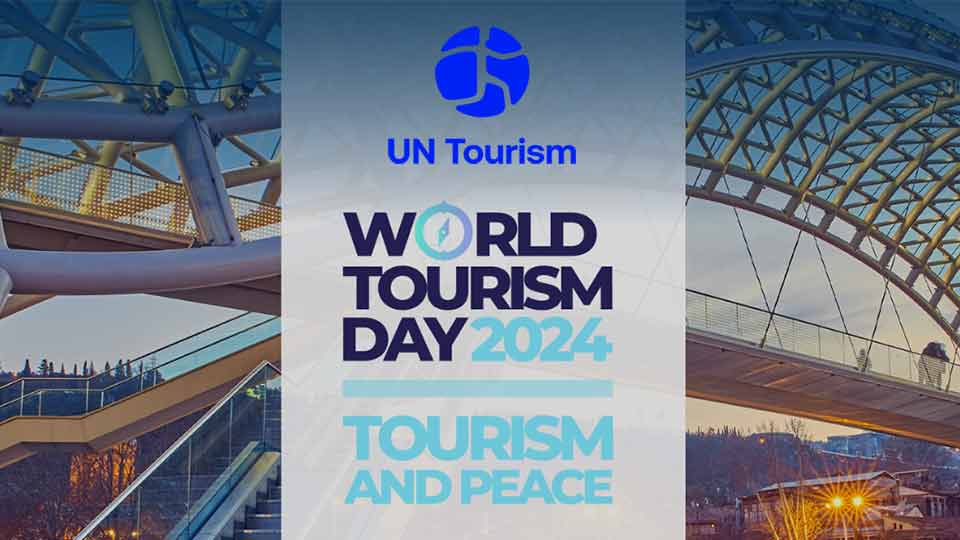
Dhaka: September 27 marks a special day for the global tourism sector, as it is celebrated as World Tourism Day worldwide through numerous gala events, since 1980. Bangladesh has been no exception. Every year the country commemorates the occasion with special events for the entire day. However, to celebrate the sector in a more splendid fashion, Bangladesh must tap its true potential.
On January 23, 2024, with the promise to keep ‘people and planet’ in the centre of its development initiatives, the United Nations World Tourism Organisation (UNWTO) emerged with a new brand name—UN Tourism. The specialised agency of United Nations is a global leader in bringing social and economic change through tourism, with 160 members at present.
Bangladesh has been one of the founding members of UN Tourism since November 1975, despite being unable to make any significant progress in the arena of tourism development itself. The country does not hold any significant position in global inbound tourism market statistics. The only vibrant travel market of Bangladesh is outbound, as Bangladeshis often visit international destinations and spend valuable foreign currencies there. Whereas, Bangladesh has all the potential needed to become a tourism hub in Asia.
This year, the main venue of the World Tourism Day celebration is—Tbilisi, Georgia. ‘Tourism and Peace’ is the theme for WTD-2024, very much pertaining and inspiring for Bangladesh as the country aspires to become a peaceful democratic country, following the end of a 15-years long autocratic regime of the former government.
Peace is one of the vital pre-conditions for tourism to grow. Political and social stability leading to people’s safety and security pave the way for a tourism friendly destination. Top brasses of all political parties and other stakeholders must come to an agreement to adhere to the laws and not damage the democracy. This is essential for sustainable peace to prevail.
Furthermore, tourism development must be considered a priority. It should be an integral part of the country’s national development strategies. All large projects and development initiatives should conform with tourism development strategies.
A compressive yet simple national tourism policy has to be formulated. The tourism policy should contain the guiding principles for the coming formulation of tourism masterplans, acts, rules, regulations, instructions and standing operating procedures, among others. The team must consist of homegrown talents—local tourism experts and hospitality industry veterans.
Also, the government should ungroup the civil aviation and tourism ministry. Worldwide, it is seen that civil aviation and tourism are not a good match for each other. As civil aviation is more financially lucrative, the former government prioritised it over the less rewarding tourism sector. Therefore, tourism could be regrouped with cultural affairs, youth and sports, or forest and environment—the former being the most suitable choice for Bangladesh.
Domestic tourism is the backbone of the tourism industry in any country. Infrastructure development is crucial for the growth of domestic tourism, which is instrumental for the overall expansion of the country’s entire tourism sector. This will further lead to growing numbers of inbound visitors, thanks to the developed tourism infrastructure and facilities. In this regard, Bangladesh should focus on sustainable tourism development, capitalising its mesmerising natural beauty and cultural heritage.
Despite being a founding member, Bangladesh currently has little presence in UN Tourism’s initiatives on development, sustainability, global collaboration or training. If the country wishes to develop its tourism sector, it should intensify fervent relations and communications with UN Tourism, in order to synergise the efforts to grow Bangladesh’s tourism and hospitality sectors.
To this effect, quality educational curriculum and institutions are required to groom skilled manpower, smart executives, brilliant managers and visionary policymakers in the field of tourism and hospitality management. Even though, many institutes, colleges and universities are offering THM programmes currently, those are mostly bookish and theoretical in nature, not in line with the tourism education guidelines proposed by UN Tourism.
The country should also consider having separate tourism industry bureaucrats who have their eyes on enhancing the strategic tourism policies, who would represent Bangladesh positively in the global arena.
By undergoing the aforementioned transformations, Bangladesh can become a vibrant tourism destination one day, cashing on its natural beauty, cultural heritage and hospitable communities. That day, the World Tourism Day will be celebrated in a grander way in Bangladesh.
Share this post
Also on Bangladesh Monitor