
Top News
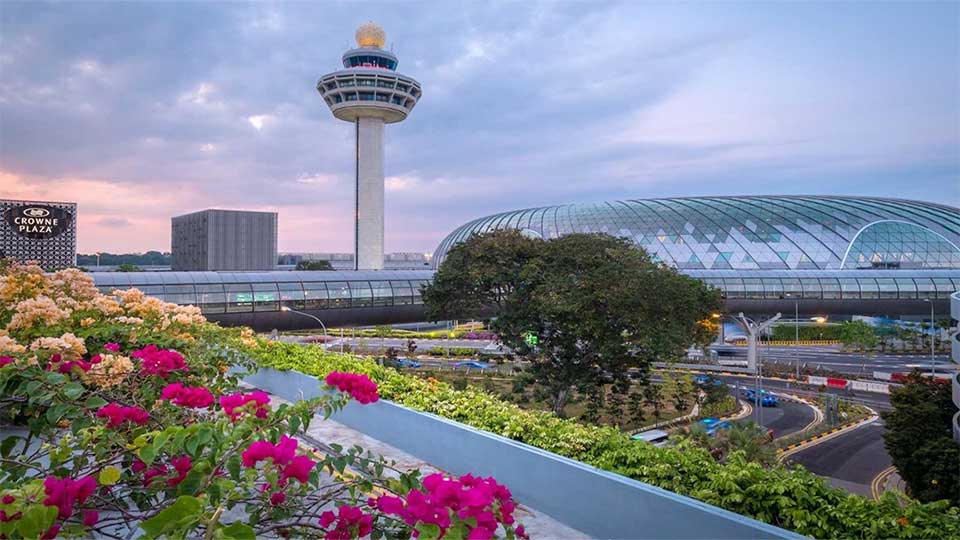
Singapore: To fund a significant S$3 billion upgrade, Singapore will gradually raise airport fees for travelers and airlines at Changi Airport over the next six years.
Announcing the fee increases and the multibillion-dollar investment on November 7, the Civil Aviation Authority of Singapore (CAAS) and Changi Airport Group (CAG) explained that these hikes will support infrastructure enhancements across Terminals 1 to 4, boosting services and operational efficiency to keep Changi competitive as a premier air hub.
For departing passengers starting their journeys at Changi, the current total airport fees of S$65.20 will remain unchanged for the first two years.
However, beginning in April 2027, these fees will gradually increase each year, reaching S$79.20 by April 2030—a 21pc rise. For travellers transiting through Changi Airport, fees will increase from the current S$9 to S$21 by April 2030, more than doubling over the six-year period.
Increased fees for airlines to support infrastructure upgrades
In addition to passenger fees, Changi will increase charges for airlines to help cover the rising costs of infrastructure and operational demands.
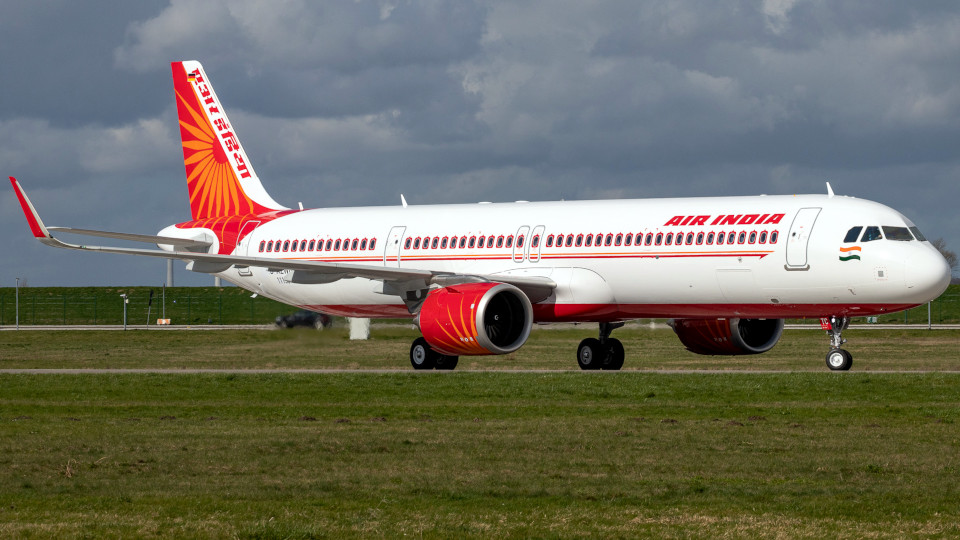
Landing, parking, and aerobridge (LPA) fees for narrow-body jets such as the Airbus A320, which currently cost airlines approximately S$1,200 per landing, will increase annually starting April 2025, reaching around S$1,725 by April 2030.
Fees for wide-body aircraft, such as the Airbus A350, will similarly rise from S$3,600 per landing today to approximately S$5,040 by 2030.
This represents an estimated 40% increase in costs for airlines using Changi, designed to align with the increased infrastructure demands posed by rising passenger volumes.
To ease the financial impact on airlines, Changi Airport Group (CAG) will offer a 50% rebate on the increased LPA charges for the first six months, from April to September 2025.
This transitional support is intended to assist airlines in adapting to the new fee structure as they plan operations around Changi’s expanded capacity.
The fee increases directly contribute to CAG’s ambitious infrastructure expansion plans. Projects include a rejuvenation of the Skytrain system, which has been in operation since 2008, an upgrade to Terminal 3’s baggage handling system with a 65% capacity increase, and the addition of an inter-terminal baggage conveyance system linking Terminals 1 and 3.
This new rooftop system will reduce reliance on the current underground conveyance system, alleviating congestion and improving baggage processing efficiency.
In addition, Terminal 4’s check-in capacity will increase by 15% with the addition of a new row equipped with automated kiosks and baggage drop points, allowing for faster passenger processing. Terminal 1’s immigration halls will also be expanded by 60%, reducing bottlenecks during peak periods and providing a more efficient arrival experience.
Preparing for growth in Asia-Pacific travel demand
These infrastructure upgrades are said to be part of a broader strategy to accommodate the anticipated surge in passenger volumes, particularly in the Asia-Pacific region.
According to the International Air Transport Association (IATA) and Airports Council International (ACI), global passenger numbers are expected to double by 2043, with Asia-Pacific accounting for over half of this growth.
-B
Share this post
Also on Bangladesh Monitor