

France cracks down on smoking in public spaces to protect youth, environment

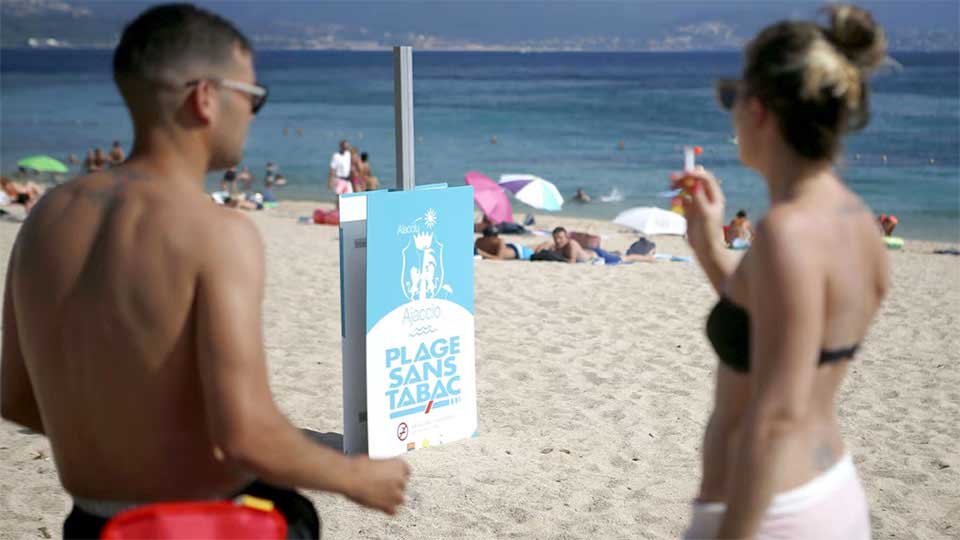
Dhaka: As of July 1, France has implemented a sweeping nationwide ban on smoking in outdoor areas popular with children—including parks, beaches, playgrounds, school entrances, sports venues, and bus stops. The move, part of President Emmanuel Macron’s vision for a “tobacco-free generation” by 2032, aims to curb youth smoking and reduce public exposure to tobacco.
Smokers caught lighting up in these zones face fines starting at EUR 90, rising to EUR 135 if unpaid after 15 days. While some applaud the health-first approach, others argue the ban infringes on personal freedoms.
Unlike local restrictions in Spain or Italy, France’s ban is national in scope, making it the most comprehensive of its kind in Europe. Health Minister Catherine Vautrin emphasized that where children are present, tobacco must be absent. The government also plans to tighten vaping regulations by 2026, targeting high-nicotine content and youth-appealing flavors.
Though smoking has declined—with just 23 percent of French adults smoking daily—France still ranks among Europe’s top tobacco-consuming countries. A major concern is illicit cigarette trade, which now accounts for nearly 40 percent of national consumption, fueled by smuggling from countries like Algeria and Turkey.
Critics point to France’s cultural connection to smoking, especially in cafés and terraces, where bans remain difficult to enforce due to public resistance and strong tobacco industry lobbying.
Despite challenges, officials say attitudes can shift—as they did after France banned indoor smoking in 2007. The current reforms, they argue, are just the beginning of a broader campaign to reduce smoking-related deaths, which claim 75,000 lives annually in France.
- T