

38,578 pilgrims in KSA as Biman, Saudia, Flynas manage massive operation
Bangladesh Hajj 2026


Dhaka : The 2026 Hajj season is now in full swing, with Bangladesh's largest-ever coordinated airlift of pilgrims being carried out through a joint operation involving Biman Bangladesh Airlines, Saudia, and Flynas, as more than 38,578 devotees have already reached Saudi Arabia amid a tightly scheduled flight program.
According to official Hajj bulletins, over 38,578 Bangladeshi pilgrims have arrived in Saudi Arabia so far this year on more than 96 dedicated flights operated under government and private arrangements. The remaining pilgrims are being transported in phases as pre-Hajj operations continue through April and May.
Bangladesh is set to send around 78,500 pilgrims for Hajj 2026, making it one of the world's largest pilgrimage contingents. Of them, roughly 4,565 are travelling under government management while the vast majority-over 73,000-are being facilitated by private Hajj agencies.
Biman carries bulk of pilgrims
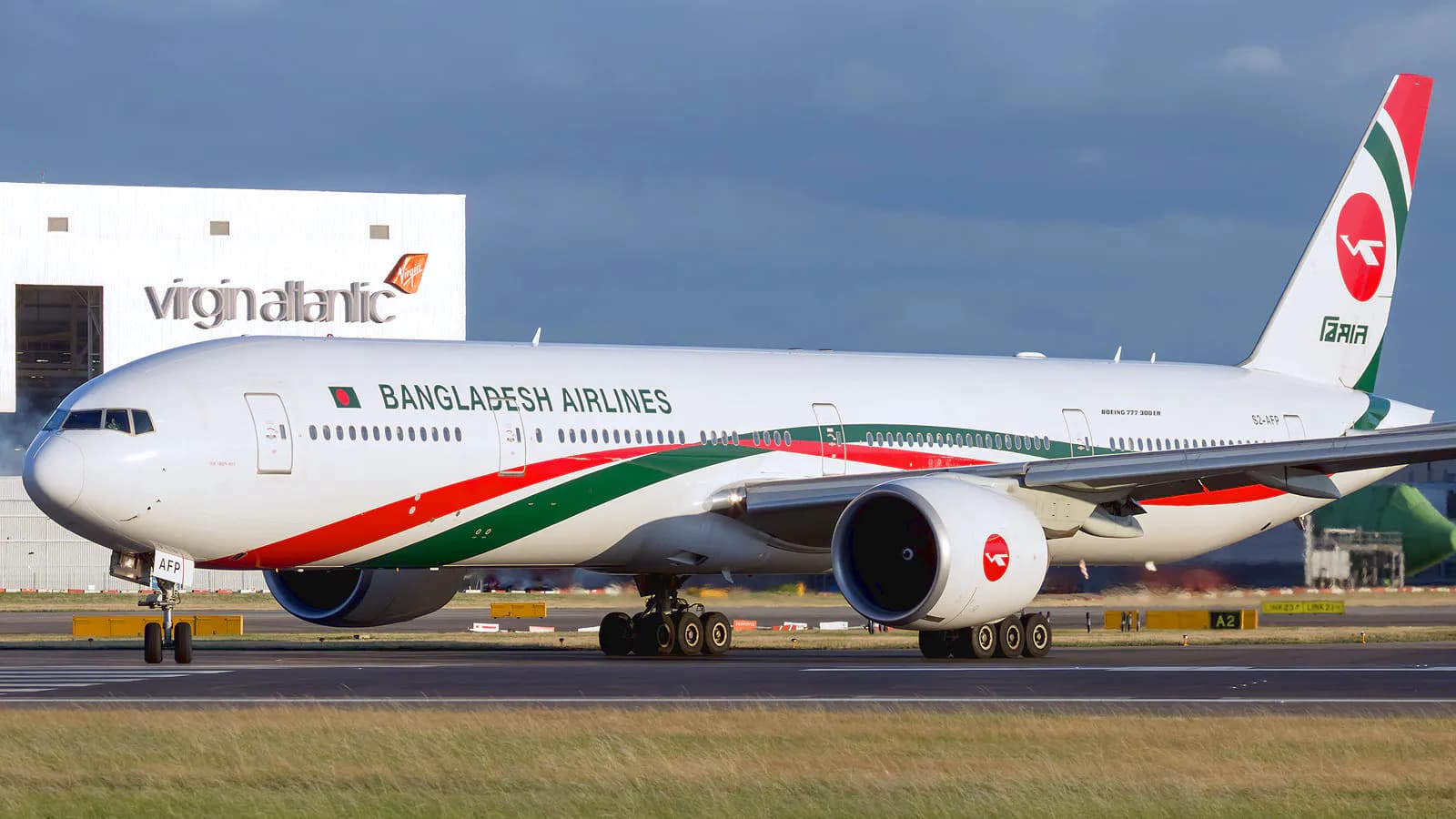
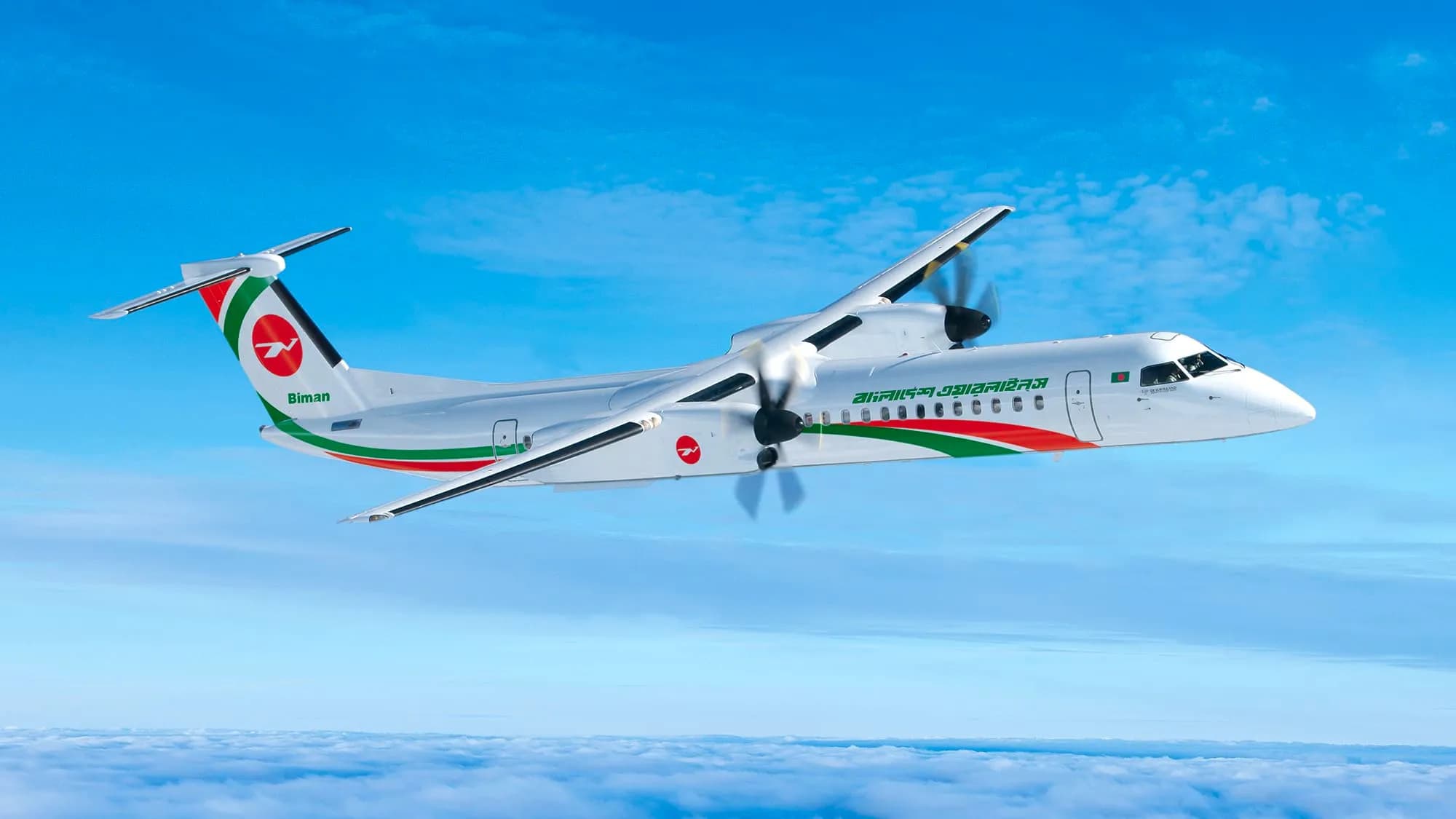
As the national flag carrier, Biman Bangladesh Airlines is handling the largest share of the operation, expected to transport nearly half of all pilgrims. Industry estimates indicate Biman alone will carry over 40,000 pilgrims through a mix of wide-body aircraft deployed on multiple daily rotations.
Early flight data shows Biman has already transported thousands of pilgrims through Jeddah and Madinah-bound services, operating alongside its Saudi counterparts under a tightly coordinated schedule. The airline's flights are part of a broader network of over 200 pre-Hajj rotations planned this season, ensuring steady movement of passengers ahead of the peak pilgrimage period.
Officials said, Biman's role remains central not only due to capacity but also logistical coordination at Dhaka and Chattogram airports, where dedicated Hajj terminals and immigration counters are operating round the clock.
Saudia, Flynas share major load
Saudi Arabian Airlines (Saudia) and Flynas are jointly handling the remaining half of the pilgrim flow. Saudia, as the traditional partner for Hajj operations, is operating an extensive schedule from Bangladesh, particularly from Dhaka, while Flynas continues to expand its role as a cost-efficient alternative carrier.
Airline-wise breakdowns show Saudia has already transported over 8,000-9,000 pilgrims on more than 100 flights, while Flynas has carried several thousand more through additional rotations, ensuring smooth distribution of passenger load across carriers.

Officials noted that the multi-airline model has significantly improved flexibility, allowing authorities to manage peak congestion while maintaining schedule reliability during the tightly controlled Hajj travel window.
'Road to Makkah' initiative expands pre-clearance
A key feature of this year's Hajj operation is the expansion of the "Road to Makkah" initiative, which continues to streamline immigration procedures for Bangladeshi pilgrims.
Under this arrangement, pilgrims complete Saudi immigration and customs formalities at Dhaka Airport before departure. This allows them to arrive in Jeddah or Madinah as "domestic passengers," significantly reducing waiting time upon arrival and easing congestion at Saudi entry points.
Officials say the initiative has become increasingly important as Bangladesh sends tens of thousands of pilgrims within a narrow departure window. The system is now integrated with dedicated counters, biometric verification, and pre-cleared baggage handling at Hazrat Shahjalal International Airport.
Aviation officials describe the system as a "game changer" for managing large-scale religious travel, especially as passenger volumes continue to rise annually.
Coordinated operations, flight phasing
Hajj flight operations began in mid-April and will continue until late May, with strict scheduling guidelines issued by the Ministry of Religious Affairs. The operation includes phased departures to ensure balanced distribution across airlines and agencies.
A total of hundreds of flights are scheduled across the season, with Biman, Saudia, and Flynas jointly ensuring connectivity from Dhaka and Chattogram.
Authorities also emphasize that pilgrims from the same Hajj agency are being grouped on the same flights wherever possible to simplify coordination and reduce operational delays.
Growing demand, pressure
Officials said, demand for Hajj packages remains strong despite rising costs and global aviation pressures. Fuel prices, aircraft availability, and airport congestion in both Bangladesh and Saudi Arabia have added complexity to operations this year.
Despite these challenges, early indicators suggest smoother processing compared to previous years, with faster immigration clearance and improved baggage handling times at Dhaka Airport.
Industry insiders noted that average processing time for baggage delivery has improved significantly, particularly for smaller aircraft arrivals.