


An aurora chaser's guide to seeing Northern Lights at their best

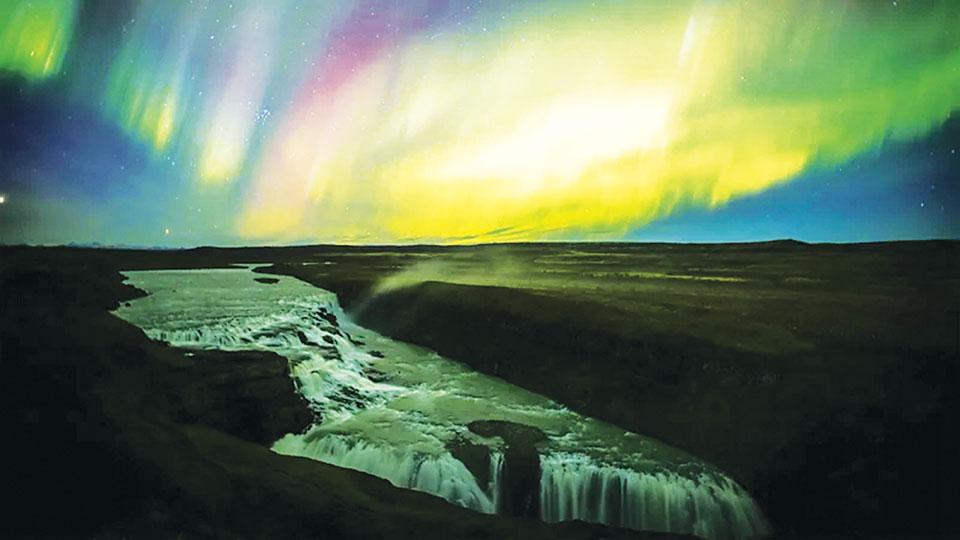
Dhaka : Astronomers predict that 2026 will be one of the strongest years for aurora activity in more than a decade. For seasoned photographer Wil Cheung, who has witnessed the Northern Lights over 400 times, the coming seasons promise exceptional opportunities for those hoping to experience the phenomenon themselves.
Cheung's fascination with the aurora intensified during a 2015 trip to Iceland. While visiting for a solar eclipse, news spread of an unusually powerful display expected over Thingvellir National Park.
The decision to brave freezing conditions paid off with towering columns of light stretching high into the night sky. That encounter sparked a lasting dedication to photographing and understanding the borealis.
Back home in Northumberland, England, Cheung had already been volunteering at a local observatory, studying the science behind the night sky.
Following the Iceland experience, he immersed himself in celestial photography, determined to capture images that would inspire others to seek out the spectacle.
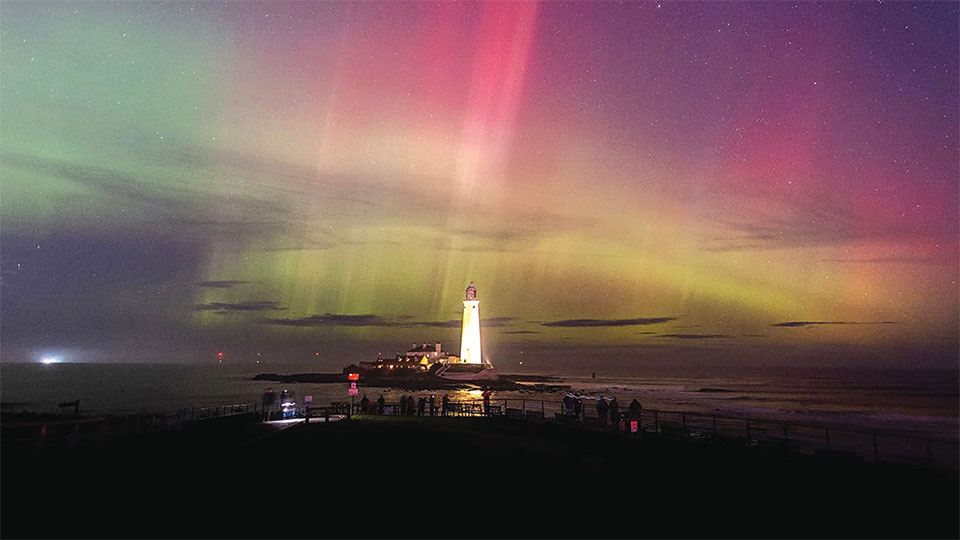
Northern Lights: Bucket list item for any traveler _Photo : Wil Photography
By 2017, he was hosting stargazing and aurora talks at Northumberland National Park and later began leading international aurora-chasing tours, which quickly developed waiting lists stretching years into the future.
Where to go
The Northern Lights typically appear within a band known as the auroral oval, which circles high-latitude regions near the Arctic Circle. Prime viewing locations include Norway, Finland, northern Sweden, Greenland, northern Iceland, Canada, and Alaska.
Tromsø is frequently promoted as a top destination due to its position within the Arctic Circle. However, its coastal climate often brings heavy cloud cover.
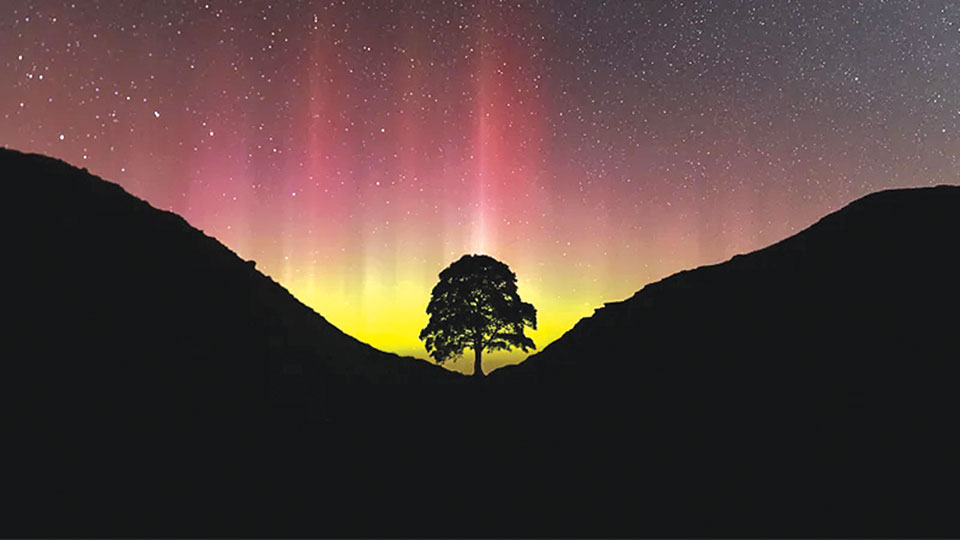
Each aurora is a once-in-a-lifetime experience _Photo : Wil Photography
For more reliable weather combined with strong aurora activity, Cheung favors Akureyri in northern Iceland, where clear skies are more common and road access makes self-driving straightforward. Iceland's compact size also allows travelers to relocate quickly if conditions change.
Cruise ships can offer another advantage by moving passengers away from coastal clouds and light pollution. Offshore voyages along northern Norway have produced particularly vivid displays, including rare deep red skies.
What to pack
Proper clothing is essential. Heavy outerwear alone is not enough. Layered clothing, waterproof gear, insulated boots, foot warmers and a versatile three-in-one jacket are recommended. Heated vests can provide additional comfort during long periods outdoors in sub-zero temperatures.
Ideal conditions
Clear skies are the single most important factor. Light pollution should be minimized by staying far from cities and checking what lies to the north of a viewing location, as settlements in that direction can brighten the horizon. Online light pollution maps are useful planning tools.
While a moonless sky offers optimal darkness, auroras can still be visible under a full Moon, especially in far northern latitudes.
Flexible travel plans increase the chances of success. Because aurora season coincides with the quieter tourism months in countries such as Norway and Iceland, last-minute bookings can sometimes be affordable.
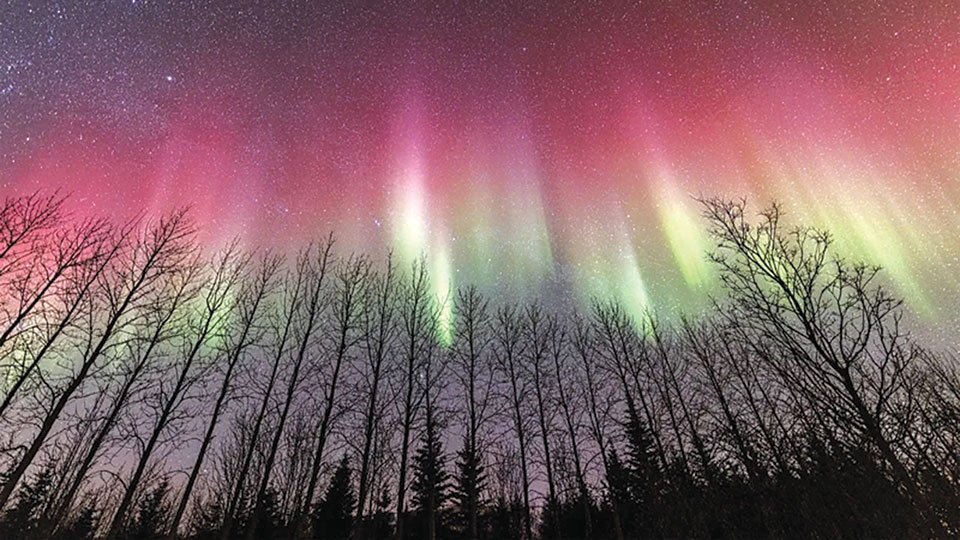
Scientists believe 2026 is prime year for aurora chasing _Photo : Wil Photography
Statistically, geomagnetic storms are more likely around the equinoxes in late March and late September, when aurora activity tends to intensify.
Memorable displays
Among Cheung's most meaningful photographs was one taken shortly before the felling of the famous Sycamore Gap in northern England.
After many attempts to capture a strong aurora behind the iconic tree, a brilliant display with dramatic pillars finally appeared in September 2023, just weeks before the tree was cut down.
In Iceland, another remarkable image was captured at Skógafoss. There, the aurora seemed to mirror the waterfall itself, creating the illusion that sky and earth were flowing together. The isolation of the late-night setting made the experience particularly striking.
The "Holy Grail" moment
Aurora chasers often dream of standing directly beneath an intense display. When positioned under the brightest activity, vertical rays appear to descend from overhead in what is known as a corona effect, forming a crown-like burst that seems to radiate outward into space. Witnessing this phenomenon can feel immersive and overwhelming, as though enveloped by the sky itself.
Why 2026 matters
Auroral activity follows the Sun's roughly 11-year cycle. Periods of heightened sunspot activity are typically followed by increased geomagnetic storms a year or two later. Scientists debate whether the most recent solar maximum peaked in late 2024 or during 2025, but either timeline suggests that 2026 and 2027 could deliver particularly strong aurora seasons.
Planning an aurora trip
Staying in a remote cabin or lodge within a dark-sky region allows for greater flexibility. On most nights, the aurora appears as a faint glow for extended periods, punctuated by brief expansion phases marked by dramatic brightening and movement. These peak moments may last only minutes, making immediate access to the outdoors crucial.
For those relying on guided tours, thorough research is essential. Reputable operators possess deep knowledge of local weather systems, light conditions and microclimates - especially important in fjord regions of Norway, where conditions can vary dramatically over short distances. Reading reviews and choosing experienced guides can significantly improve the chances of success.
For many travelers, the Northern Lights remain a bucket-list ambition. Beyond their beauty, the aurora is a visible reminder of Earth's magnetic field shielding the planet from harmful solar radiation.
The same forces that protect life also create one of nature's most awe-inspiring displays, transforming cosmic energy into light across the polar sky.