

Airlines raise fares, cut flights as soaring fuel prices shake global industry

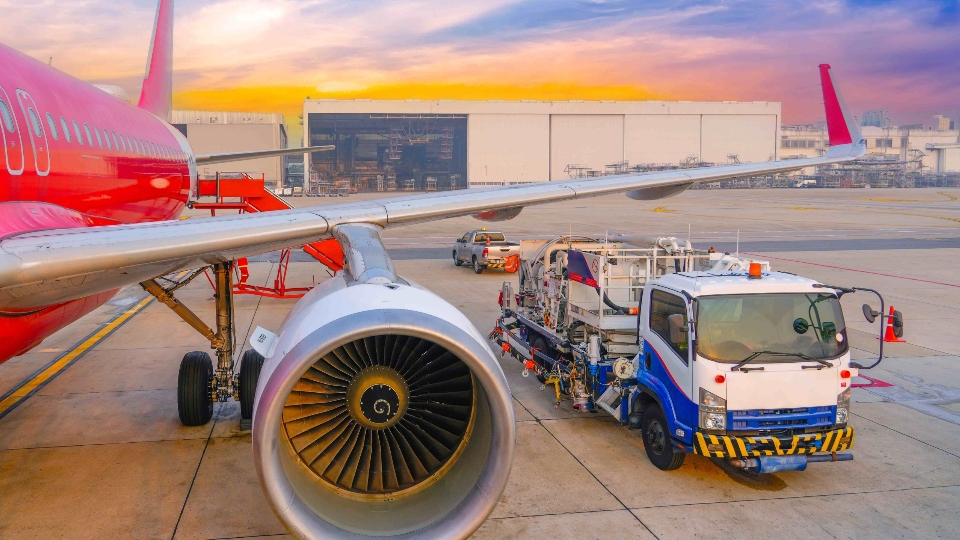
Dhaka: A sharp rise in jet fuel prices—driven by escalating geopolitical tensions involving the United States, Israel, and Iran—has disrupted the global aviation industry. Prices have surged from around USD 85–USD 90 per barrel to as high as USD 150–USD 200, putting significant pressure on airlines, where fuel can make up roughly a quarter of total operating costs. In response, carriers are raising fares, adding surcharges, cutting routes, and revising financial forecasts.
Aegean Airlines expects the combined impact of higher fuel costs and suspended Middle East operations to weigh heavily on its first-quarter performance. Meanwhile, Air France-KLM plans to increase long-haul ticket prices by about €50 per round trip to offset rising expenses. Air New Zealand has already implemented fare hikes across domestic and international routes and has withdrawn its full-year earnings outlook due to uncertainty in fuel markets.
In India, Akasa Air and IndiGo have introduced fuel surcharges on both domestic and international flights, while IndiGo is also seeking government relief through lower fuel taxes. American Airlines expects its fuel bill to increase by around $400 million in the first quarter alone.
Across Asia, Cathay Pacific has raised fuel surcharges after prices doubled earlier in the month, and Hong Kong Airlines has increased charges by as much as 35% on certain routes. Cebu Air says it is reviewing its pricing and network strategy, while Philippine Airlines has warned of limited visibility on fuel supply beyond the next few months.
European budget carrier easyJet expects ticket prices to rise later in the summer as its fuel hedging protections expire, while Frontier Airlines is reassessing its annual forecast. In contrast, International Airlines Group, which owns British Airways, says it does not plan immediate fare increases due to existing fuel hedging.
Elsewhere, Pakistan International Airlines has raised fares on both domestic and international routes, and Qantas Airways is increasing international ticket prices while considering expanding capacity on European routes. Scandinavian Airlines is cancelling hundreds of flights, including around 1,000 in April, due to rising fuel costs. Similarly, Thai Airways plans to raise fares by 10–15 percent.
In the United States, United Airlines is cutting unprofitable routes and preparing for sustained high oil prices, which could significantly impact long-term profitability. In Southeast Asia, VietJet Air has adjusted flight frequencies due to potential shortages, while Vietnam Airlines plans to reduce domestic flights and has sought government support, including tax relief.
Finally, Virgin Australia is also raising fares as cost pressures intensify across the sector. Overall, airlines are navigating a difficult environment, balancing higher operating costs with the risk of dampening passenger demand, and travelers are likely to feel the impact through higher ticket prices and reduced flight availability.
T