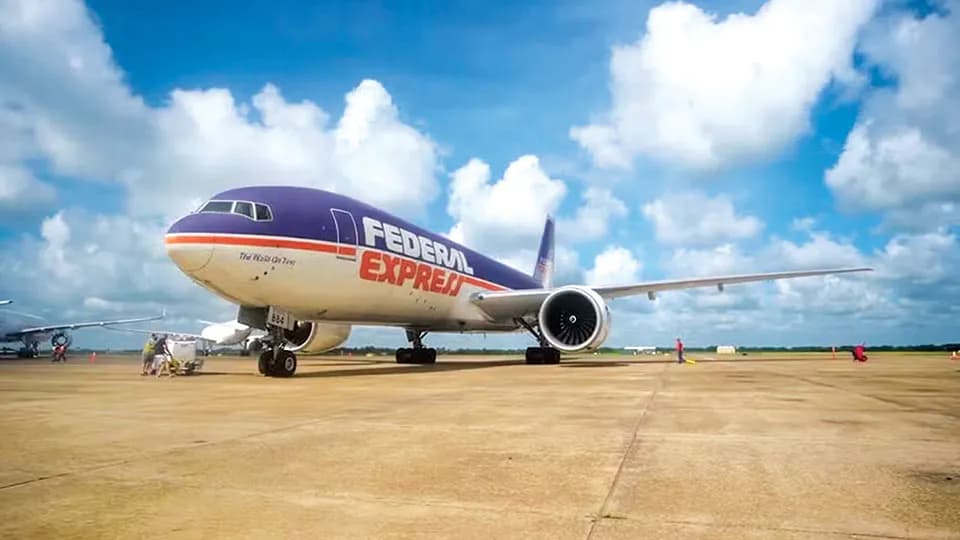


FedEx chief dismisses Amazon's supply chain threat

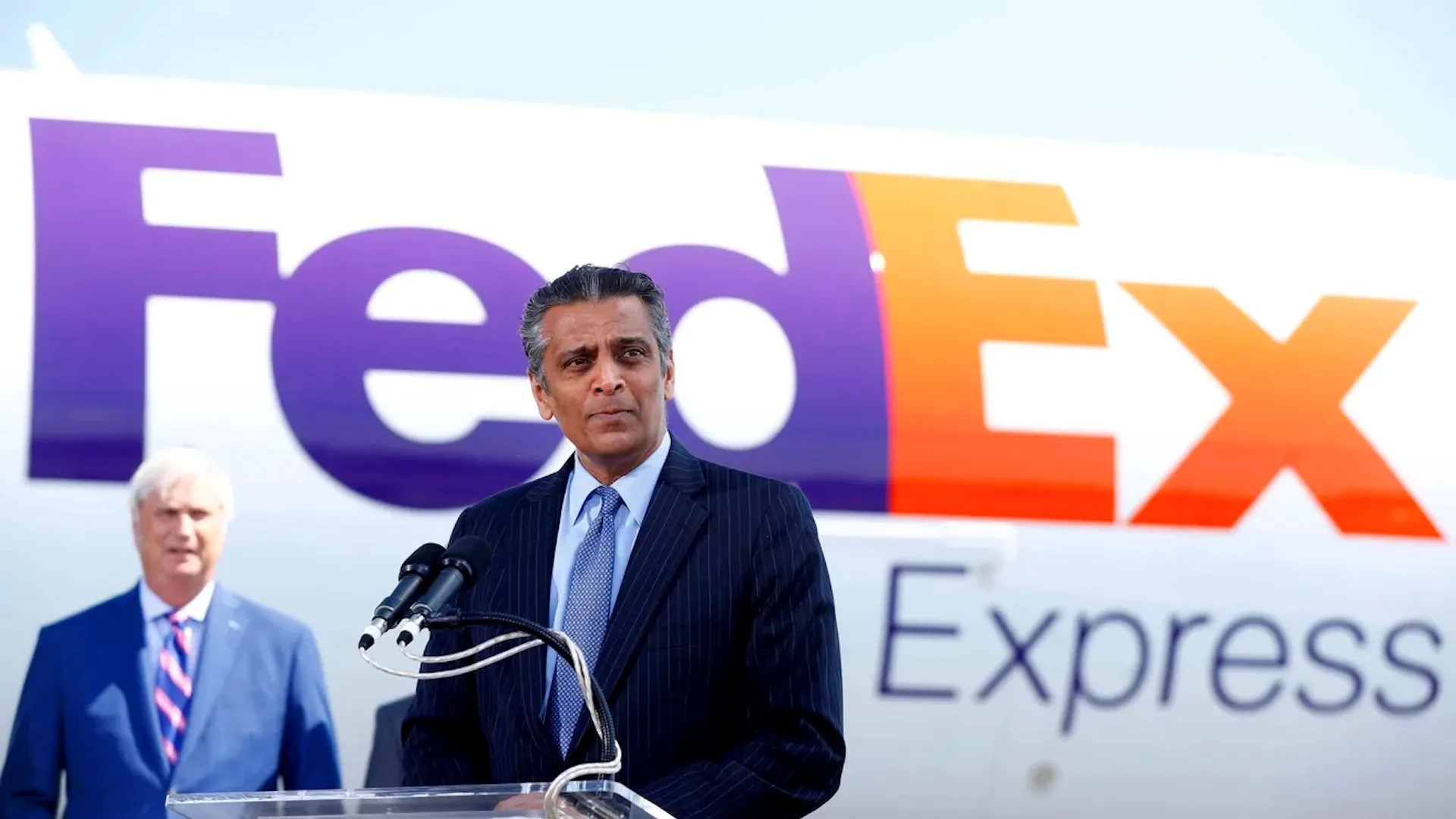
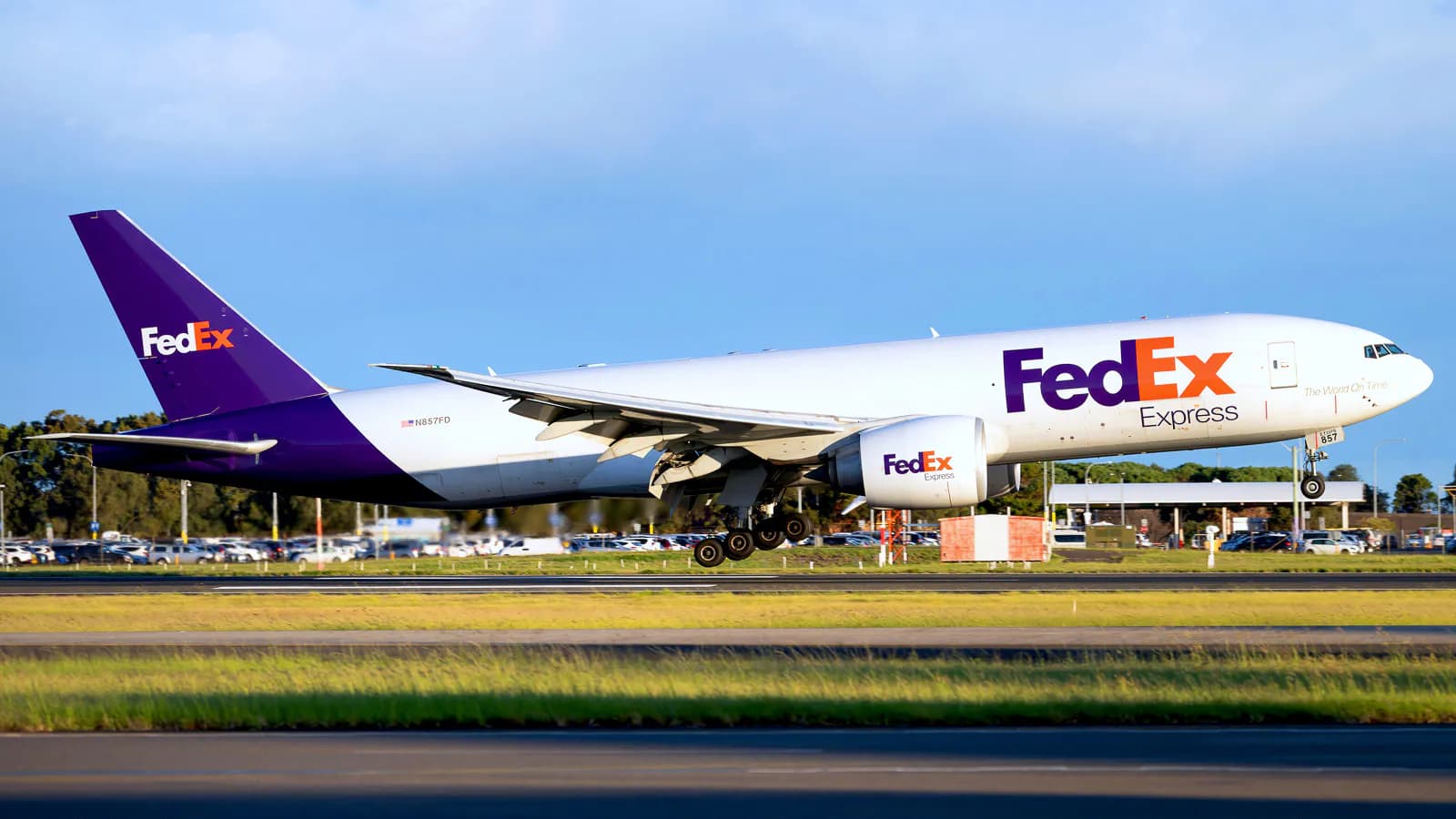
Dhaka: FedEx's top executive has dismissed concerns over Amazon's newly launched third-party logistics offering, saying the e-commerce giant's service cannot match FedEx's global network capabilities.
In a media interview, FedEx President and Chief Executive Raj Subramaniam said Amazon Supply Chain Services (ASCS) is fundamentally different from what his company operates.
"FedEx is a true end-to-end global network," Subramaniam said. He added that a genuine network means picking up a shipment from anywhere in the world and delivering it elsewhere within days — something he said Amazon's offering does not provide.
Subramaniam characterized ASCS as a non-asset third-party logistics play, noting that while FedEx also offers such services, it maintains long-term contracts with customers in that segment.
Amazon launched ASCS in early May, with major companies including Procter & Gamble, 3M, Lands' End, and American Eagle Outfitters among its first clients.
The service bundles freight, distribution, fulfillment, and parcel shipping. The freight component covers ocean, air, ground, and rail, backed by 80,000 trailers, 24,000 intermodal containers, and 100 aircraft.
Additional features include time-sensitive shipments, simplified booking, customs clearance, and end-to-end shipment visibility. The parcel service offers two-to-five-day delivery with seven-day-a-week pickups from warehouses or third-party providers.
Despite FedEx's confident stance, the market reacted differently. Shares of both FedEx and UPS fell approximately 10% following Amazon's announcement, reflecting investor concern over intensifying competition.
Industry analysts have offered a more cautious view. Christopher Henry, a vice president at Carnegie Investment Counsel, acknowledged the brand recognition and established customer relationships of FedEx and UPS but warned of structural disadvantages.
"They face higher cost structures in many areas and do not have the same level of vertical integration or AI-driven optimization that Amazon has built," Henry said in a blog post. He added that competitive pressure could deepen as Amazon continues advancing its robotics and artificial intelligence capabilities.
However, some observers have questioned how readily companies would entrust logistics to a direct commercial rival. Concerns also persist about shipments being deprioritized in favor of Amazon's own volumes during peak periods — a challenge the company previously encountered when opening its air network to third parties.
V