

Emirates 777 declares 'Mayday for Low Fuel' in Miami

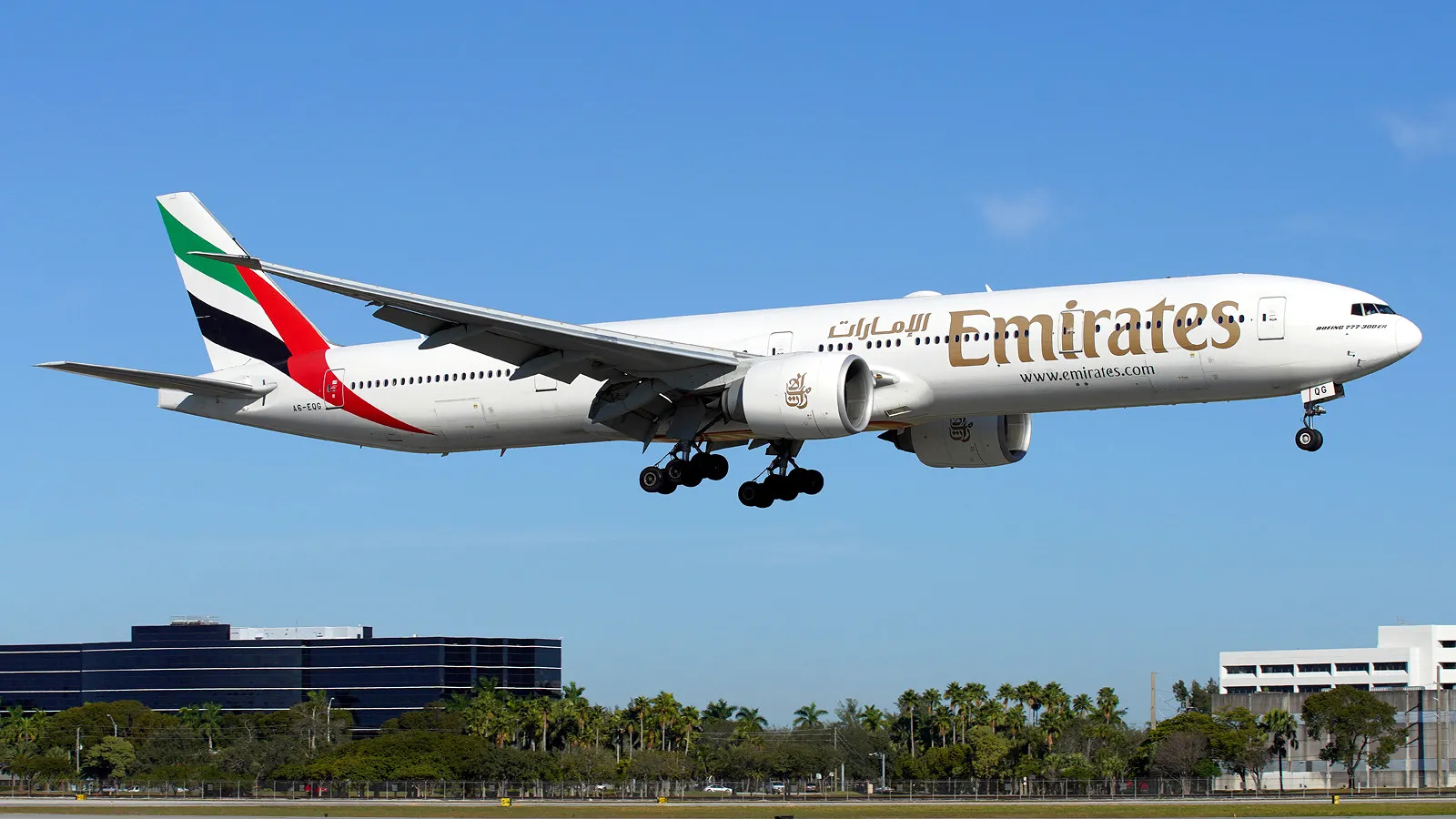
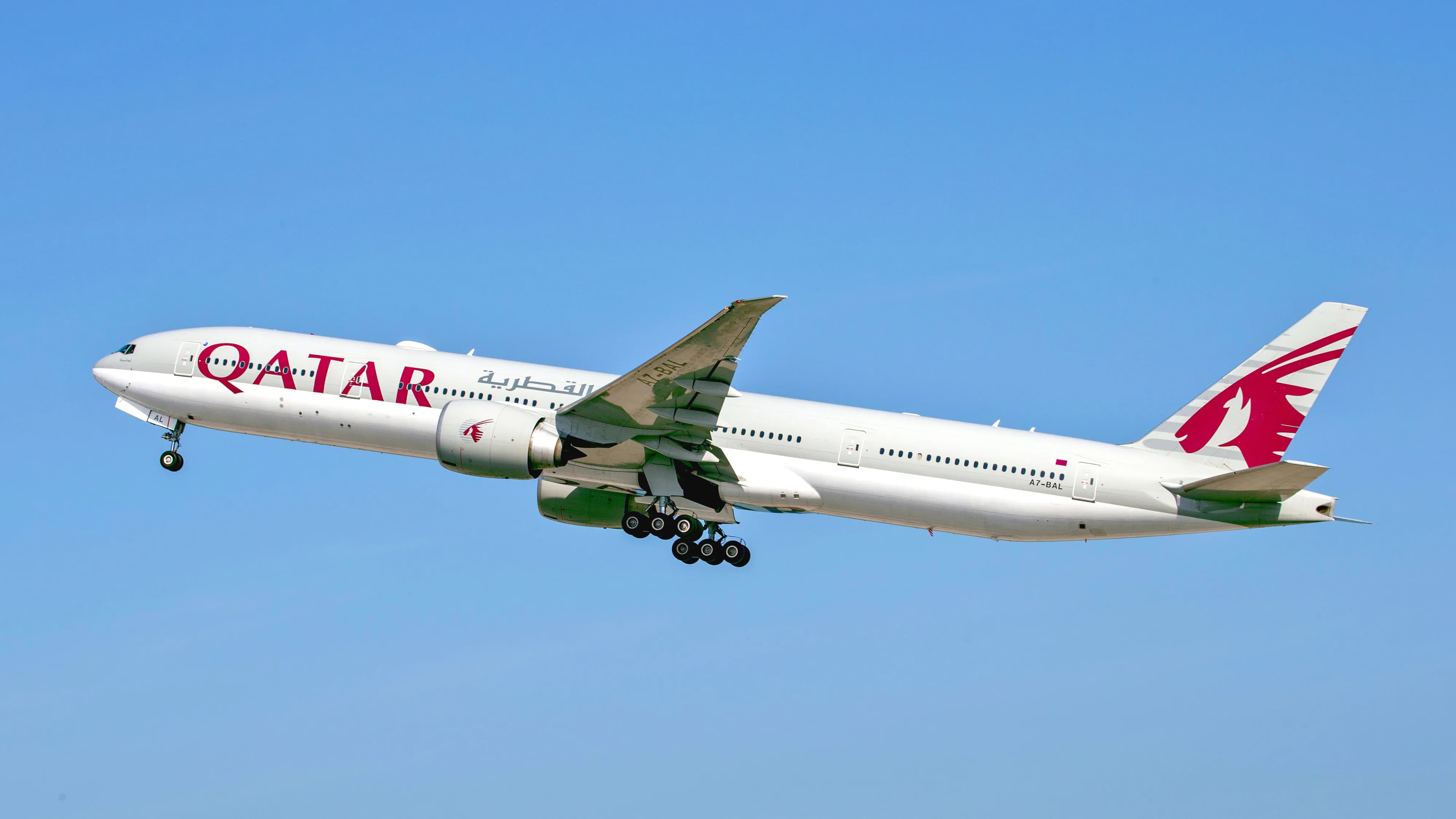
Dhaka: An Emirates Boeing 777-300ER declared a fuel emergency at Miami after two consecutive missed approaches forced the crew to request priority landing clearance.
The aircraft, operating flight EK213 from Dubai, was scheduled for a 15-hour and 45-minute flight. However, adverse weather extended the journey to 17 hours and 16 minutes, significantly eroding fuel reserves before arrival.
Miami was experiencing a severe thunderstorm at the time, with poor visibility, heavy rain, gusting winds, and wind shear-associated clouds. The crew initially attempted an approach on runway 9 but abandoned it due to low visibility and windshear.
Following the first go-around, the crew inquired about diverting to Fort Lauderdale. Air traffic control instead offered runway 12 at Miami, which the crew accepted. At that point, they declared minimum fuel — meaning they could not absorb any holding pattern or additional vectoring without landing below the planned final fuel reserve.
On the runway 12 approach, a preceding aircraft had not vacated the runway in time. With fewer than 100 feet remaining before touchdown, the tower ordered a go-around — the exact delay the crew had warned it could not accommodate.
That second go-around prompted a full Mayday declaration due to low fuel. Controllers immediately granted priority, cleared another aircraft from the landing pattern, and Emirates 213 touched down safely on runway 12 on its third attempt.
Aviation analysts said a fuel emergency does not indicate engines were near failure. "MAYDAY FUEL" means predicted usable fuel upon landing will fall below planned final reserve, generally sufficient for 30 minutes of holding at 1,500 feet above the destination.
They note no evidence of faulty fuel planning. The combination of an unusually long sector, convective weather at the destination, and two go-arounds depleted the available buffers — a scenario that fuel contingency planning is specifically designed to address.
The critical breakdown appears to have occurred when runway protection was not maintained after the minimum-fuel declaration, turning a tight situation into a full emergency.
V