

Malaysia sets first-quarter tourism record with 10.6 million arrivals


Dhaka: Malaysia recorded its highest-ever first-quarter tourism figures in 2026, welcoming 10,647,200 international visitors between January and March — a 5.4 percent increase year-on-year.
Surpassing the 10-million first-quarter mark for the second consecutive year, the figure exceeded the previous record of 10,102,972 arrivals in 2025 and far outpaced the pre-pandemic level of 9,011,670, recorded in 2019.
February registered the highest-ever monthly arrival figure with 3,472,557 international visitors, exceeding three million for the first time in monthly arrivals.
Malaysia's Tourism, Arts and Culture Minister Datuk Seri Tiong King Sing announced the milestone on May 13, attributing the growth to strong Chinese New Year travel demand and expanded flight connectivity.
China was the single biggest growth market in the first quarter, with a 25.2 percent rise year-on-year. Roughly 280,000 additional visitors from the country arrived during the period compared to the previous year.
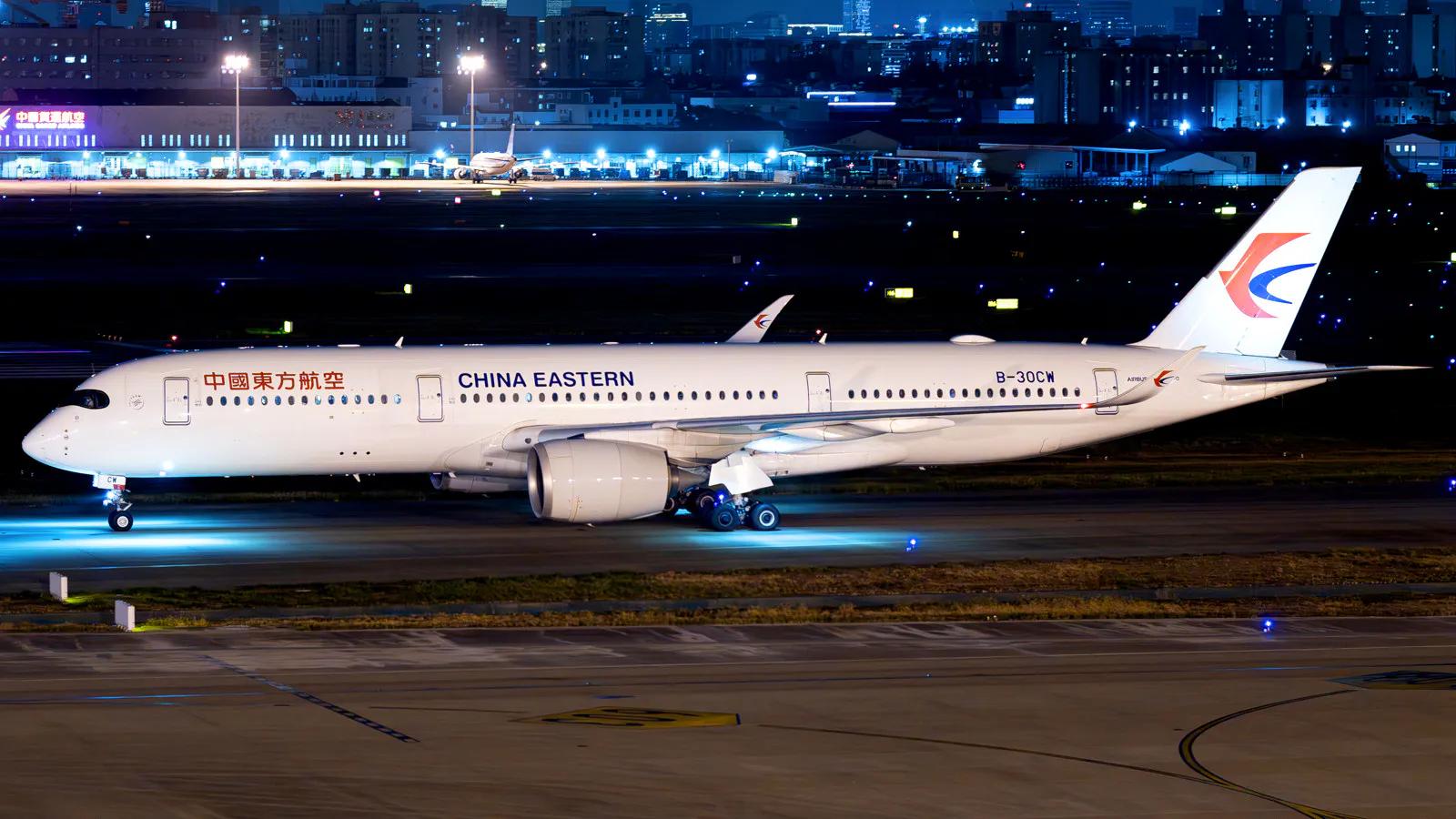
Arrivals from China reached 604,675 during the Chinese New Year travel window. China Eastern Airlines and Shanghai Airlines expanded routes between both countries from 82 to 106, while total flights rose to 424.
Australia also posted double-digit growth at 11.4 percent. Overall, 12 source markets each contributed more than 100,000 visitors during the quarter. Some markets, however, declined, including Indonesia at 3.3 percent, South Korea at 3.1 percent, and India at 1.5 percent.
ASEAN remained Malaysia's largest source region, contributing over 350,000 additional visitors. Among ASEAN countries, only Indonesia and Vietnam recorded declines, while others grew between 3.5 and 54.3 percent.
European first-quarter arrivals surpassed 500,000 for the first time, with 15 of 16 tracked markets recording growth. Turkey led with a 77.3 percent surge, followed by Ukraine at 35.3 percent and Poland at 23.7 percent. Germany was the only major European market to decline, falling 10.2 percent.
Despite the strong overall performance, geopolitical tensions in the Middle East began affecting tourism flows toward the end of March. Disruptions to fuel supply and rerouted flights raised airline operating costs, contributing to higher ticket prices and cancellations.
The Middle East recorded the steepest regional decline in arrivals at 27.2 percent, while South Asia and North Africa fell 6.7 and 8.4 percent, respectively. Six of nine tracked tourism regions still recorded growth overall.
Air connectivity also expanded significantly during the quarter. Twenty new scheduled international routes launched, with 12 airlines collectively adding 95 international flights per week.
Meanwhile, five additional airlines operated six charter routes connecting Malaysia with China and Hong Kong, and Xiamen Airlines upgraded its Nanjing–Kuala Lumpur route to a daily service in March.
V