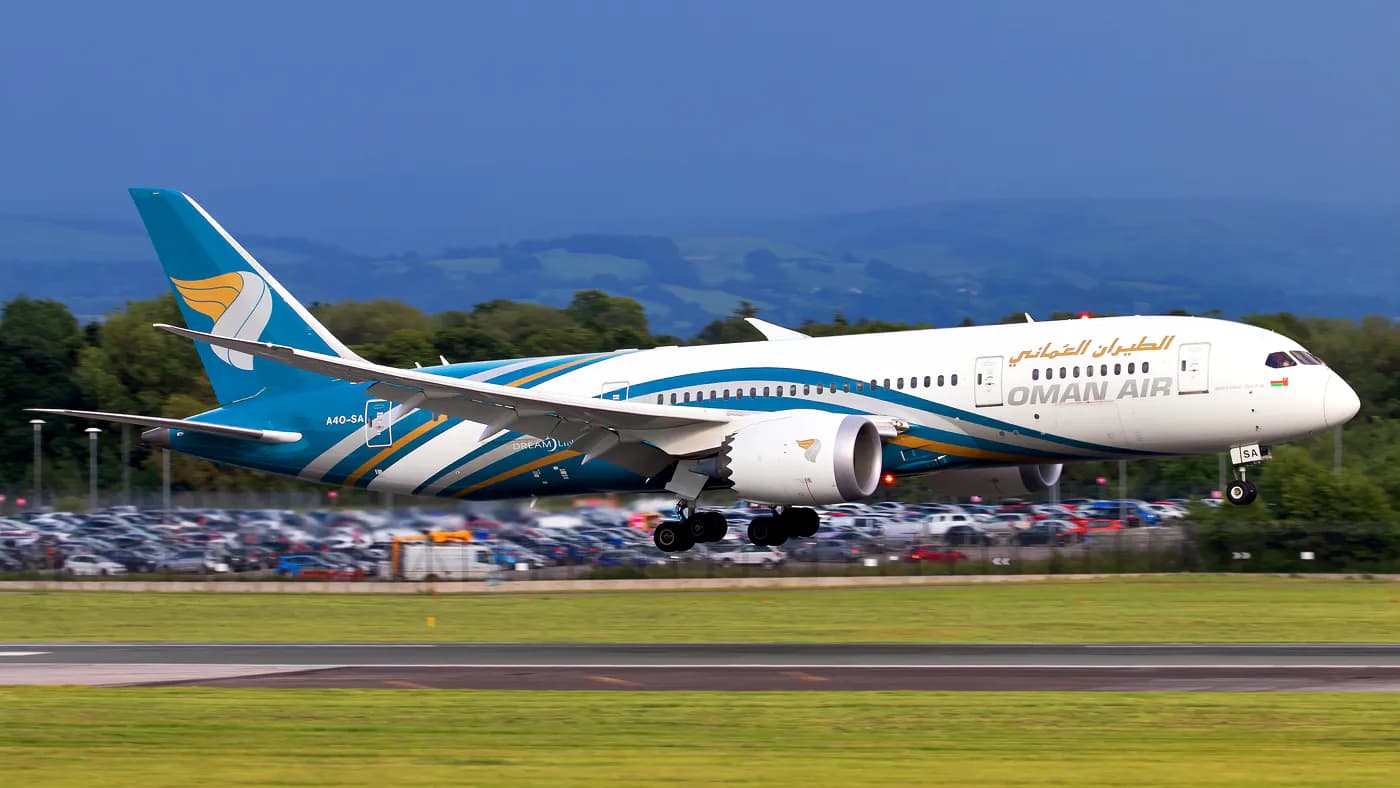


Asia Pacific airlines' international traffic slips 0.6% in August


Dhaka: Asia Pacific airlines carried 33.5 million international passengers in August, down 0.6% from a year earlier, according to preliminary data from the Association of Asia Pacific Airlines (AAPA), released on September 28.
The association said some carriers cut capacity further amid persistently high jet fuel prices and airspace restrictions linked to the Middle East conflict. Higher fares also dampened demand, though long-haul traffic, including Asia-Europe routes, stayed relatively resilient.
Passenger demand, measured in revenue passenger kilometers, rose 1.8% year-on-year. Capacity, measured in available seat kilometers, grew 1.5%. As a result, the average international passenger load factor edged up 0.2 percentage points to 83.2%.
International air cargo demand, measured in freight tonne kilometers, increased 1.1%, supported by rising exports and strong demand for AI-related goods. However, e-commerce shipments to Europe weakened after charges on small parcels were introduced.
Offered freight capacity expanded 1.6%, outpacing demand. Consequently, the average international freight load factor fell 0.3 percentage points to 59.3%.
Over the first eight months of the year, the region's airlines carried 259.3 million international passengers, up 2.1% from the same period last year. International cargo demand rose 5.5% over the same period.
AAPA Director General Wong Hong said traffic growth has moderated in recent months, but the overall picture remains broadly positive.
He noted that elevated fuel prices, airspace restrictions and weaker Asian currencies are pushing up costs, while higher fares are weighing on price-sensitive travelers. These factors continue to affect profitability, with results varying across airlines.
Looking ahead, Wong said regional economic growth and trade activity should continue to support passenger and cargo demand, though growth is likely to remain uneven across markets. He added that geopolitical developments and trade policy changes add uncertainty to the outlook for the rest of the year.