

Bangladesh's hotels look beyond peak season as resorts chase year-round guests


Dhaka
: Bangladesh's hotel and resort industry has long depended on a familiar cycle:
strong business during holidays and peak travel months, followed by quieter
periods when occupancy drops. Now, properties across the country are looking
for ways to keep guests coming throughout the year, including during
traditionally weaker periods such as the monsoon.
Cox's
Bazar offers one of the clearest examples of the challenge. As Bangladesh's
leading beach destination, the resort town typically sees strong demand during
winter, weekends and major holidays, while heavy rain and rough seas can
discourage visitors during the monsoon.
Yet
hotels are increasingly responding with lower rates and experience-focused
packages designed to encourage domestic travel during the off-season.
The
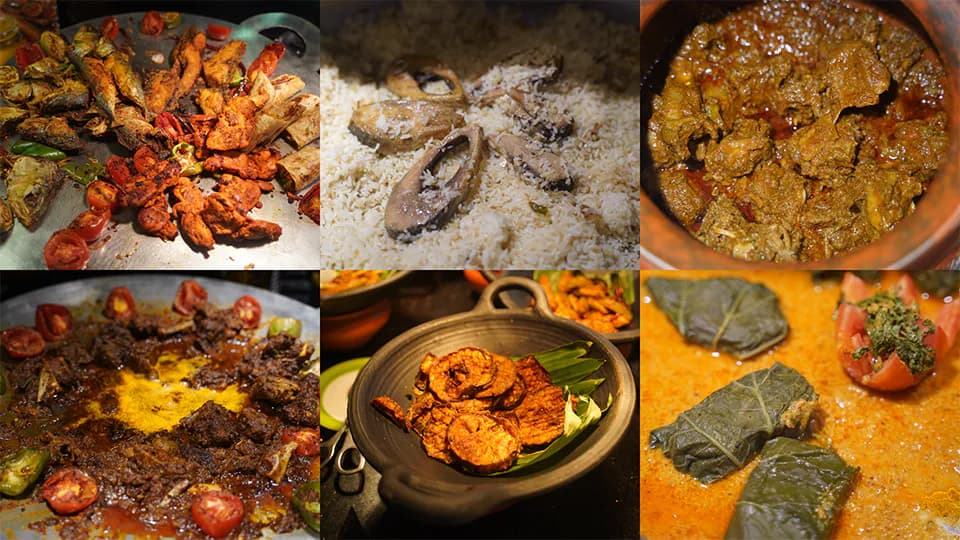
strategy is not limited to discounts. Properties are promoting food/music
festivals, wellness programs, family entertainment, spa treatments, indoor
recreation, corporate retreats and short weekend stays to create additional
reasons for travelers to visit.
Domestic
travelers become more important
The
growing domestic tourism market is giving hotels another source of demand.
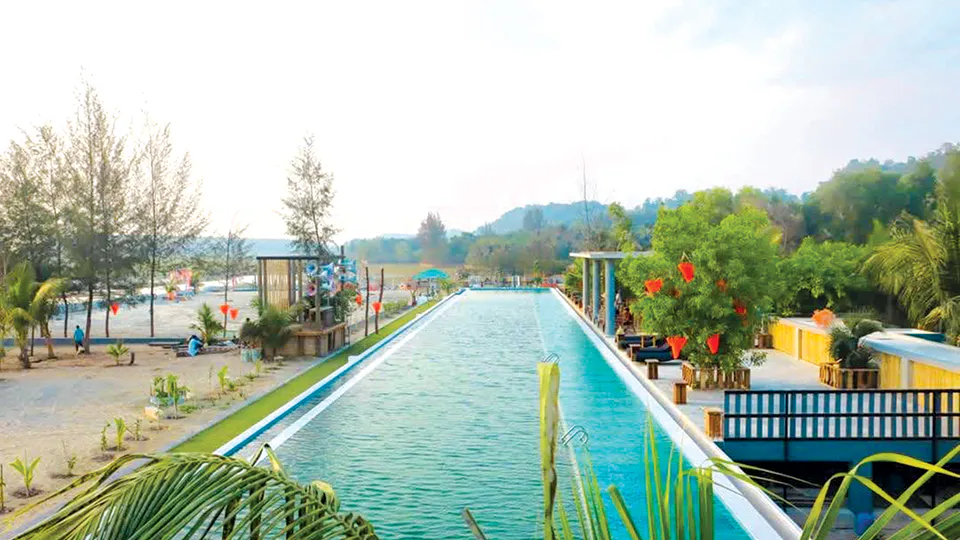
Cox's Bazar remains one of Bangladesh's most popular leisure destinations, while Sylhet, Bandarban, the Sundarbans, Rangamati and Kuakata continue to attract domestic travelers.
For
hotel operators, these travelers can help fill rooms between major holidays and
periods of strong international or corporate demand.
The
changing pattern of domestic travel is also creating opportunities for shorter
trips. Instead of relying solely on traditional weeklong vacations, many
consumers are choosing one- or two-night breaks that can be arranged around
weekends and public holidays.
Hotels
sell experiences, not just rooms
As
travelers become more selective about spending, simply offering a cheaper room
may no longer be enough.
Hotels
are increasingly bundling accommodation with dining, recreation and activities
to create a stronger overall value proposition. Urban properties can generate
revenue through restaurants, weddings, conferences and wellness services, while
resorts can position their facilities and activities as attractions in their
own right.
This
approach is particularly relevant for properties within relatively easy reach
of Dhaka, where demand for quick escapes from the capital can provide an
important source of weekend business.
Weather
remains major risk
The
monsoon, however, highlights the vulnerability of Bangladesh's tourism industry
to external factors.
In
July, reports indicated that concerns over flooding and persistent bad weather
led to around 50,000 hotel booking cancellations in Cox's Bazar, with industry
stakeholders estimating losses at about BDT 100 crore.
Such
volatility makes diversification increasingly important for hotel operators. A
property that depends entirely on room revenue is more exposed when travel
demand suddenly falls.
Destination
development crucial
Industry
growth, however, cannot depend on hotel promotions alone.
Transport connectivity, destination cleanliness, waste management, public facilities, safety and the development of year-round attractions remain critical to making Bangladesh's tourism destinations more competitive.
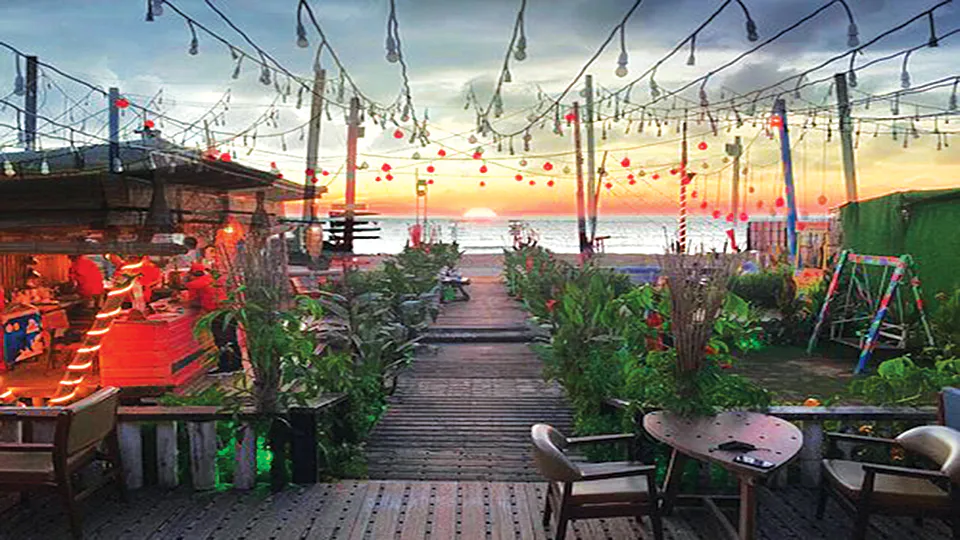
Cox's
Bazar illustrates the issue. Hotels can offer attractive rates, but visitors
may still stay away if poor weather, transportation difficulties, beach
conditions or other destination-related concerns affect the overall experience.
The
same applies to emerging destinations. Better infrastructure and coordinated
destination management could help extend travel beyond traditional peak
periods.
Shift
toward year-round tourism
For
Bangladesh's hospitality sector, the larger challenge is moving from a seasonal
business model toward a year-round tourism economy.
That
will require hotels to offer more than accommodation and resorts to create
experiences that remain attractive even when weather conditions are less
favorable.
With
a large domestic market, expanding hospitality infrastructure and diverse
natural and cultural attractions, Bangladesh has the ingredients for sustained
tourism growth. The next step is turning those advantages into consistent
demand throughout the calendar.