

Barcelona adopts “Netflix-style” tourism plan to crack its biggest problem

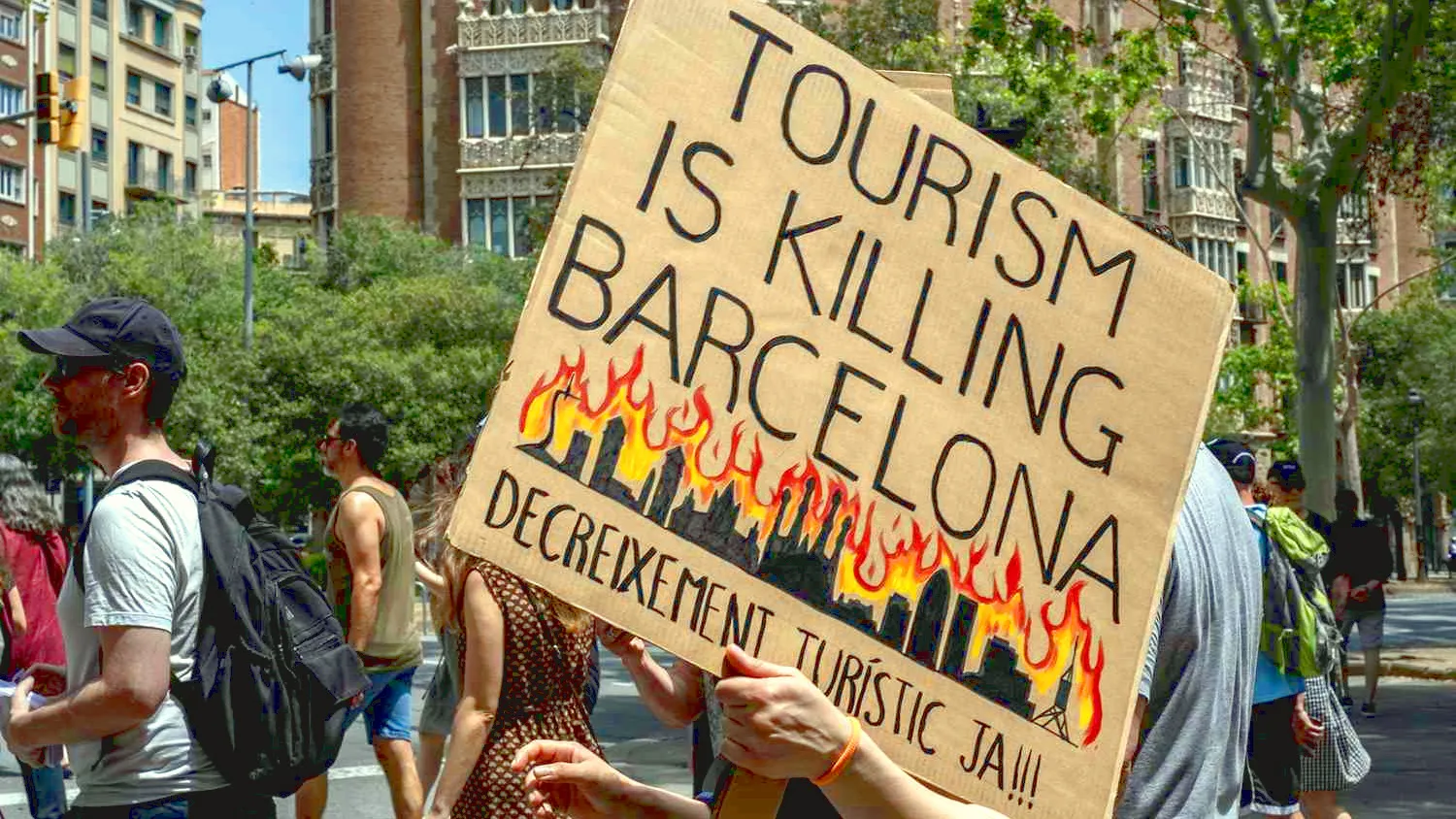
Dhaka: The Spanish city of Barcelona has launched a new tourism strategy that prioritizes who visits the city and why, replacing its long-standing push for ever-higher visitor numbers.
The plan relies on algorithmic recommendation technology, similar to that used by streaming platforms like Netflix. The system will offer personalized suggestions based on travelers' interests and steer visitors away from overcrowded hotspots.
About 16 million tourists visit the city each year, roughly ten times its population, while Spain is projected to overtake France as the world's most visited country by 2040.
Resident frustration has been visible in recent years. During the summers of 2024 and 2025, protesters even sprayed tourists with water guns to voice their anger over mass tourism.
The city has already moved to curb the pressure, including plans to phase out around 10,000 short-term rental licenses by 2028 and to double the tourist tax for overnight stays.
The new approach, however, goes further by reshaping the type of tourism the city attracts. Authorities want to focus on culture, gastronomy, and events rather than drawing visitors solely to famous landmarks.
In a recent media interview, Barcelona's Commissioner for Sustainable Tourism, José Antonio Donaire, said the city's message is now "not one tourist more." He said the city recorded 15.7 million tourists in 2025, which it considers the threshold, with 16 million as the maximum.
Meanwhile, the city's tourism organization has rebranded from "Visit Barcelona" to "This Is Barcelona." The new identity aims to showcase the city's character, culture, and way of life instead of directly urging people to visit.
Barcelona Turisme CEO Mateu Hernández said the discussions have focused on the negative effects of tourism for 15 to 20 years, adding that the positive impacts should also be highlighted and not taken for granted.
The new "This Is Barcelona" website will be central to the strategy. Its recommendation engine will help manage visitor flows around heavily visited areas while promoting exhibitions, concerts, and gastronomy.
Hernández urged travelers to come for a concert, exhibition, or restaurant first, and then plan visits to landmarks such as Gaudí buildings or Gothic sites.
The platform also provides guidance on respectful behavior and information about local traditions, reflecting a wider effort to make tourism more compatible with daily life in the city.