


EU travelers may face renewed border delays as EES flexibility expires

Dhaka: Travelers entering
the European Union could encounter longer waits at border crossings after
temporary flexibility measures for the bloc’s Entry/Exit System (EES) expire on
September 6.
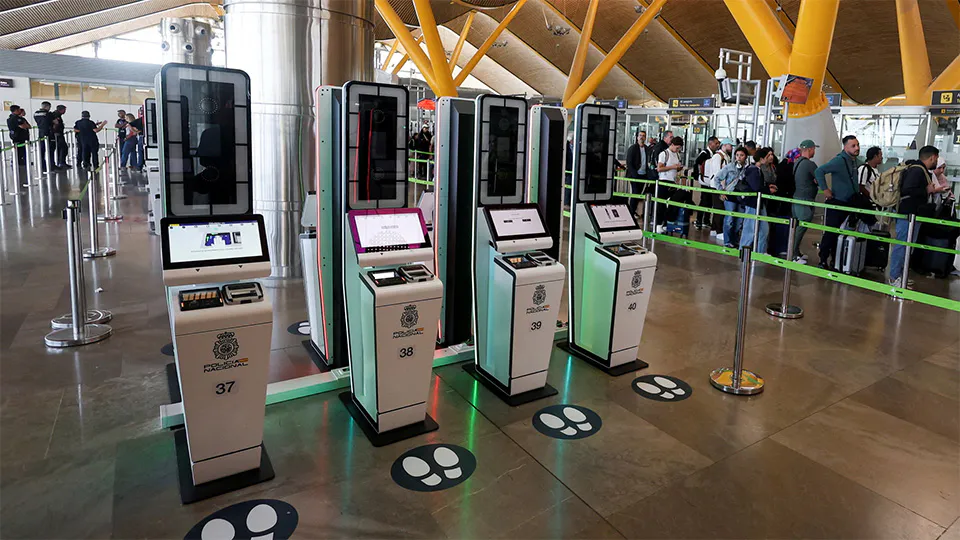
The system requires
non-EU travelers to provide biometric information, including fingerprints, but
implementation has been uneven across member states. Airlines and travel
industry groups have warned that stricter enforcement could recreate the
lengthy queues seen at some European airports earlier this year, when
passengers reportedly missed flights and connections.
The International Air
Transport Association has urged the European Commission to extend authorities’
ability to temporarily suspend EES checks through the end of 2026. IATA said
delays linked to the system have already created significant disruption for passengers
and airlines.
However, travelers
crossing from the UK into France are not expected to see major changes
immediately. Technical issues have delayed the activation of biometric
equipment at locations including London St Pancras, Dover and Eurotunnel
terminals.
Eurostar said EES
registrations would continue to be handled manually by border officials, while
Eurotunnel said it was prepared to introduce full biometric screening once
French authorities provide clearance.
Industry representatives
also expect some busy European airports to continue limiting biometric checks
to prevent excessive queues, although practices may vary between countries.
The European Commission said it remains in contact with member states experiencing operational difficulties and is prepared to provide additional support.